

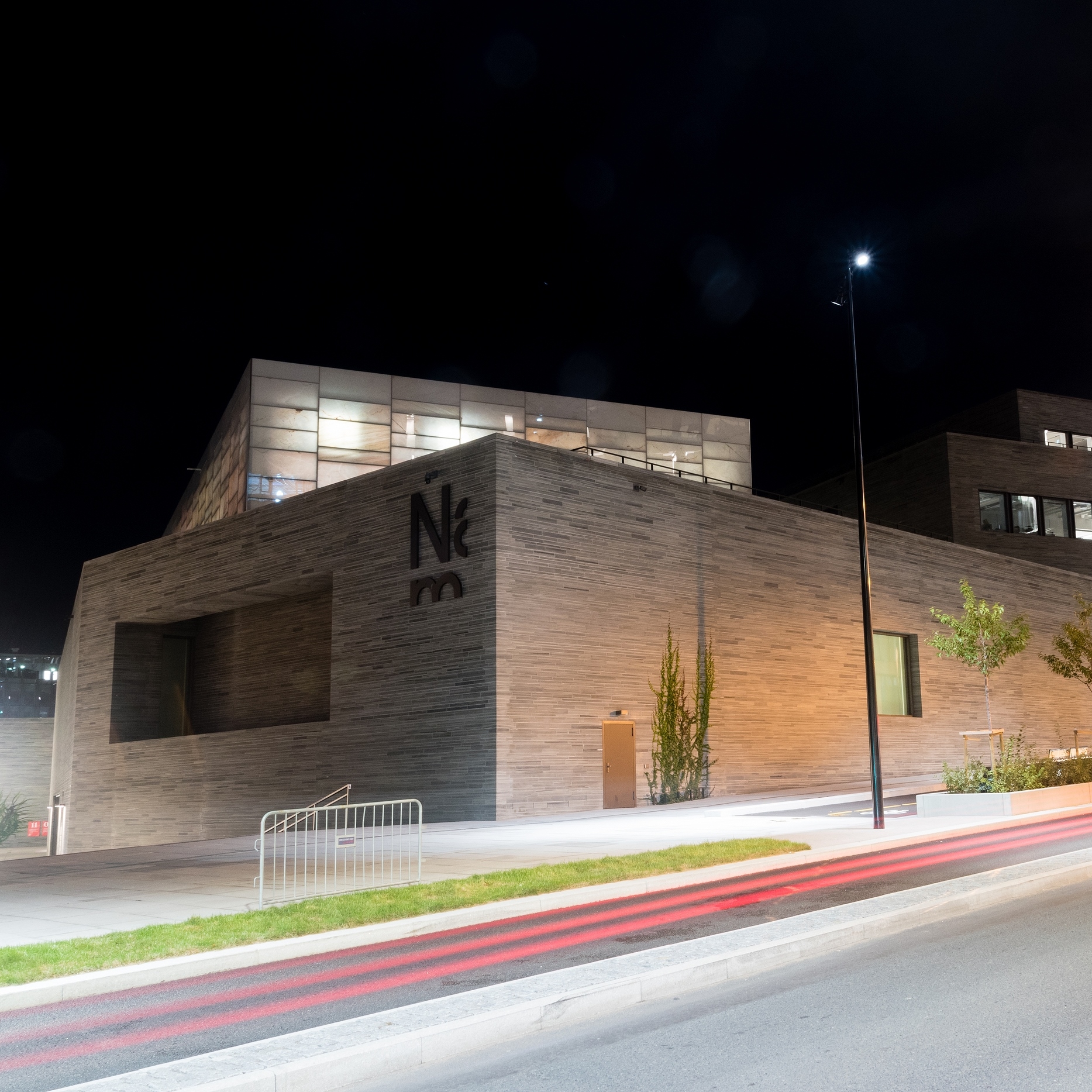
Fine Art Shippers had a chance to visit the National Museum of Norway, one of Europe's largest art museums and a must-visit destination for anyone exploring Oslo's cultural scene. Opened in 2022 after nearly three decades of planning, political negotiations, and architectural debate, the museum brings Norway's national art collections together under one roof for the first time. Conveniently located on the historic Vestbanen site in central Oslo, the museum—known locally as Nasjonalmuseet and officially titled the National Museum of Art, Architecture, and Design—represents one of the country's most ambitious cultural projects.
A Museum of Museums
Today's National Museum of Norway is the result of a major consolidation completed in 2003, when the National Gallery, the Museum of Contemporary Art, the Museum of Decorative Arts and Design, and the Museum of Architecture merged into a single institution. Each museum had a distinguished history of its own, but the Norwegian government decided to unite the country's artistic heritage within one organization.
Finding a suitable home for such a vast collection proved challenging. None of the former museum buildings could accommodate the combined holdings, prompting years of discussions before the Vestbanen site was selected in 2008. The German architectural firm Kleihues + Schuwerk was commissioned to design the new museum building.
Although its exterior has received mixed reviews—with some critics comparing it to a fortress or even a prison—the spacious interior successfully fulfills its purpose. Today, the museum displays more than 6,500 works while providing storage for a national collection exceeding 400,000 objects.
The Sweeping Collection of the National Museum of Norway
The museum's collection spans thousands of years of artistic achievement. Visitors can explore works from classical antiquity, including the renowned Paus Collection of Roman busts and archaeological artifacts. The museum also houses the world's largest collection of works by Edvard Munch, featuring the celebrated 1893 version of The Scream.
Beyond Norwegian masterpieces, the galleries showcase French Impressionism, German Expressionism, decorative arts, design, architecture, and an extensive selection of 20th- and 21st-century contemporary art, offering visitors a comprehensive overview of European artistic development.
The Collection of the Novgorod School Icons
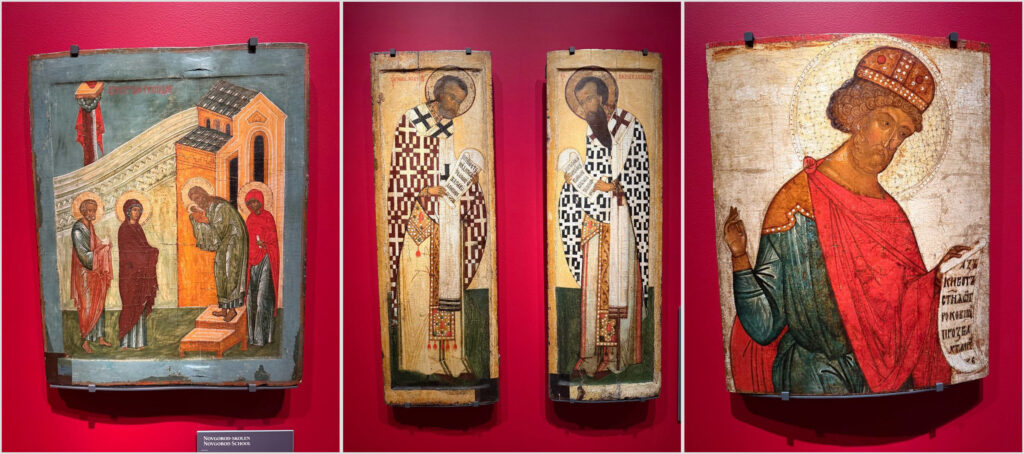
Among the museum's most fascinating holdings is its collection of Russian icons, with a particular emphasis on the Novgorod icon painting tradition. Although relatively modest in size, the collection is widely regarded as an important example of medieval religious art, illustrating the artistic and spiritual traditions that flourished in medieval Russia.
Notable highlights include the icons of King David and the Prophet Ezekiel, which once belonged to a monastery on the Volkhov River before leaving Russia following the events of the Russian Revolution. Together with the museum's broader collection, these icons demonstrate the remarkable diversity of artistic traditions preserved within the National Museum of Norway, making it an essential destination for art historians, collectors, and anyone interested in the history of European art.