

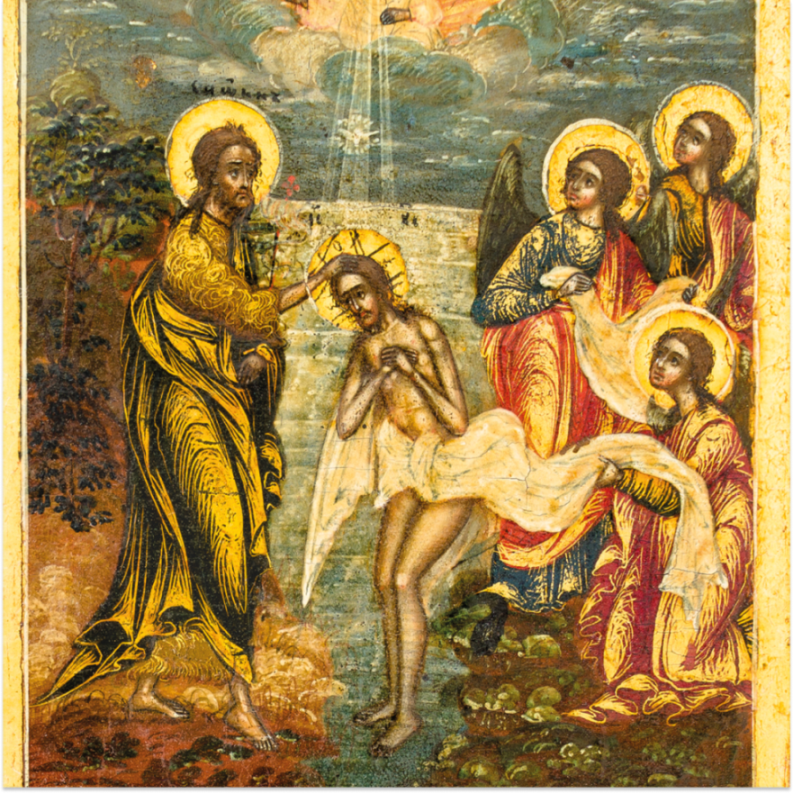
For centuries, Russian icons were viewed primarily as sacred devotional objects intended for prayer and spiritual contemplation. Today, however, a growing number of museum exhibitions are presenting icons through a broader cultural and artistic lens. Alongside their religious significance, icons are increasingly recognized as masterpieces of craftsmanship, historical testimony, and artistic achievement. This evolving perspective allows international audiences to explore Russian icons not only as objects of faith but also as an important part of world art heritage.
The Historical Shift from Sacred Object to Cultural Artifact
The dialogue between the sacred and secular interpretation of icons is not entirely new. After the Russian Revolution of 1917, many churches and monasteries were closed during the Soviet campaign against religion. Thousands of icons were removed from liturgical use and transferred to state museums, where they were reclassified as examples of Russian cultural history and medieval art.
Particularly valued were icons created between the 11th and 17th centuries, admired for their stylistic complexity and historical importance. Throughout the Soviet era, icons were largely separated from their spiritual function and reframed as museum artifacts and research objects.
The Revival of Russian Icons Through Private Collections
Following the collapse of the Soviet Union in 1991, religious and cultural interest in Russian icons experienced a major revival. Private collectors began preserving and studying icons not only as works of art but also as spiritual heritage.
One significant example is the collection assembled by Oleg Kushnirskiy. Built during his early years in the United States, the collection includes more than 60 icons representing important regional traditions such as Palekh, Mstyora, and Guslitsy icon painting schools.
Today, the collection participates in major museum exhibitions dedicated to Russian religious art, helping introduce Western audiences to the history, symbolism, and artistic sophistication of icon painting traditions.
The catalog of the Kushnirskiy collection is available for purchase at the Russian Icon Collection website.
Museum Exhibitions and the Global Interest in Icons
Recent museum exhibitions demonstrate the growing international fascination with Russian icons. In October 2024, works from the Kushnirskiy collection were displayed at The Museum of Russian Art in Minneapolis, offering visitors insight into Old Believer artistic traditions and iconography techniques.
Another major exhibition, Icons: The Old Believers and Their World, opened on February 27, 2026, at the Icon Museum and Study Center in Clinton, MA — the only American institution fully dedicated to Eastern Christian art and icon studies.
A New Understanding of Russian Icons
The growing presence of icons in museum exhibitions reflects a broader transformation in how these works are understood today. Russian icons now exist simultaneously as sacred objects, historical documents, and celebrated works of fine art. Increased scholarly research, curatorial attention, and public interest continue to expand opportunities for studying the evolution of Russian religious art and its enduring cultural significance.