

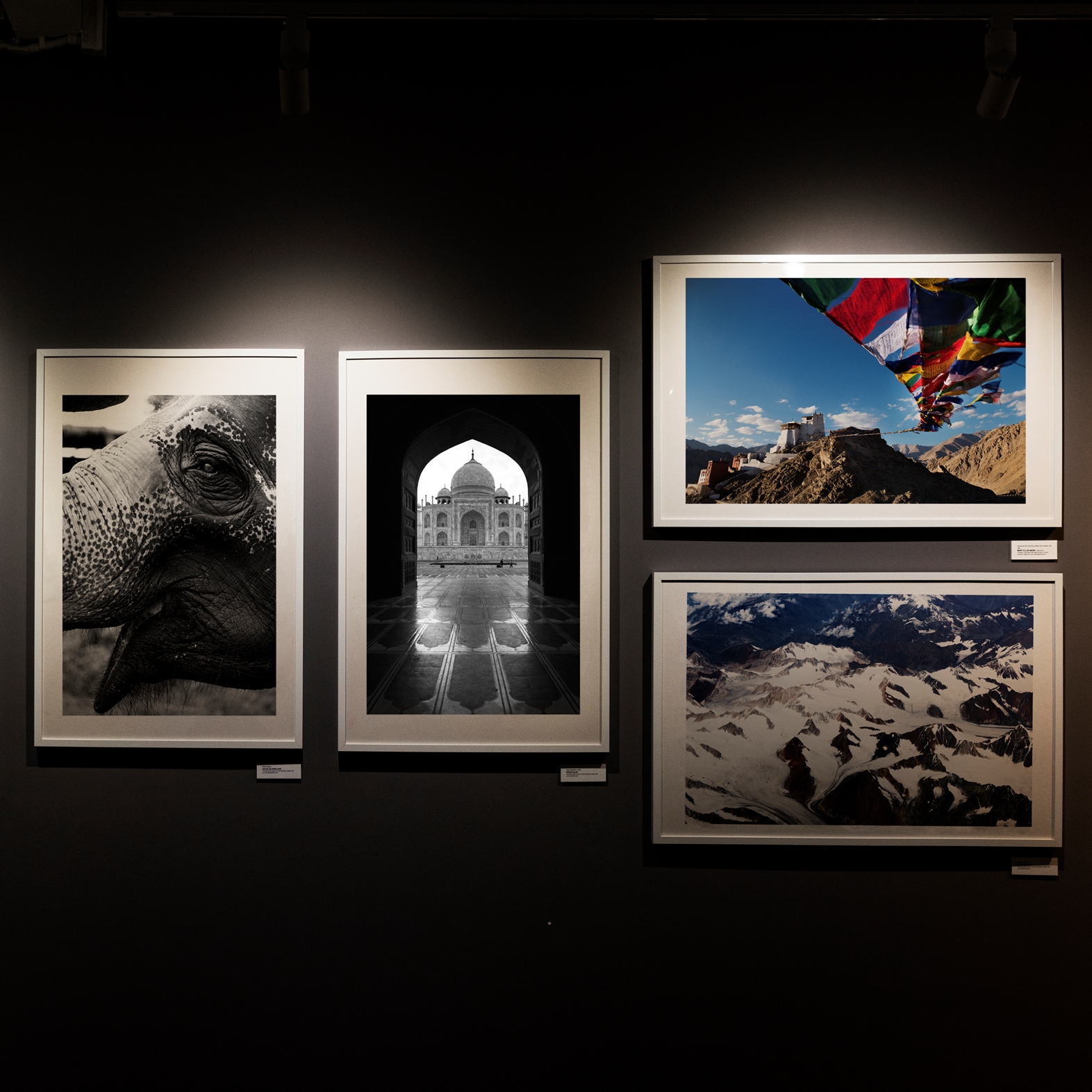
Every work of art tells a story, but before that story reaches collectors, galleries, museums, or online audiences, it is often represented through a digital image. Whether it's a painting featured in an exhibition catalog, a sculpture displayed on a gallery website, or a rare collectible document for insurance purposes, the quality of that digital representation plays an important role in how the artwork is perceived.
As the art world becomes increasingly digital, high-quality artwork images have become essential for portfolios, exhibitions, archives, and collection management. Artists, galleries, museums, and collectors all rely on accurate visual documentation to present and preserve artwork effectively. However, taking a photograph is only the first step. Images often require adjustments to lighting, color, backgrounds, and reflections to ensure they accurately represent the original artwork across both digital and print platforms.
This is where an AI Image Editor is becoming a practical resource for artists, galleries, museums and collectors. Rather than changing the artwork itself, it helps prepare digital images for professional use by improving clarity, refining presentation, and creating consistency across visual assets. Higgsfield is supporting this shift with AI-powered creative technology that enables art professionals to edit and prepare artwork images more efficiently while maintaining complete control over the final result.
Why Accurate Digital Representation Matters
For many people, the first encounter with an artwork happens online rather than inside a gallery or museum. Exhibition announcements, artist portfolios, auction catalogs, gallery websites, and social media platforms often introduce artworks to audiences long before they are viewed in person. As a result, digital images have become an important extension of the artwork itself.
An accurate image allows viewers to appreciate color relationships, composition, texture, and overall craftsmanship more confidently. While no digital reproduction can completely replace the experience of viewing an original work, a well-prepared image provides a reliable visual reference that supports communication between artists, collectors, curators, and buyers.
Common Challenges When Preparing Artwork Images
Preparing artwork for digital use involves much more than taking a good photo. Paintings can create unwanted reflections, sculptures often need to be photographed from different angles, and textured pieces are difficult to capture accurately. Once the images are taken, they usually need adjustments to color, brightness, perspective, and backgrounds to keep every piece looking consistent. Creating separate versions for print, websites, and social media adds even more work. An AI Image Editor helps make this process faster by simplifying routine edits. Higgsfield helps artists, galleries, and museums prepare professional-looking artwork images while staying true to the original piece.
Preparing Artwork for Different Digital Platforms
Once an artwork has been photographed, it often needs several versions for different platforms. A high-resolution image for a printed catalog isn't always suitable for a website, social media, or an online exhibition, where different sizes and formats are required. Each version should preserve the artwork's original colors, textures, and details while meeting technical requirements.
Preparing these files manually often involves repetitive tasks like resizing, cropping, adjusting exposure, and refining backgrounds, especially when working with large collections. An AI Image Editor helps simplify this workflow by handling routine edits more efficiently. Higgsfield helps artists, galleries, and museums prepare consistent, high-quality images for websites, publications, presentations, and digital exhibitions while preserving the authenticity of the original artwork.
Supporting Artwork Throughout Its Digital Journey
Artwork images remain valuable long after an exhibition ends. They are used in collection records, artist portfolios, educational materials, insurance documents, auction catalogs, and museum archives. As collections grow, keeping these images organized and consistent becomes increasingly important. Artists, galleries, museums, and collectors all rely on high-quality visuals for documentation, promotion, and future exhibitions. Well-prepared digital assets make it easier to manage collections, update portfolios, and share artwork across different platforms while preserving accurate records.
Improving Creative Workflows with AI-Powered Editing
As digital collections expand, managing artwork images efficiently becomes more challenging. While professional photography remains essential, an AI Image Editor helps simplify routine editing after images are captured. Higgsfield supports artists, galleries, museums, and collectors by refining lighting, improving clarity, and preparing images for websites, catalogs, presentations, and digital exhibitions. Rather than replacing professional expertise, AI speeds up repetitive editing tasks, allowing creative teams to maintain consistent, high-quality visuals while keeping the original artwork's appearance and authenticity intact.
Best Practices for Editing Artwork Without Compromising Authenticity
Editing artwork images should improve presentation without changing the original work. Maintaining accurate colors, preserving fine details, and applying consistent editing across a collection help ensure every image remains a faithful representation. Avoid excessive filters or sharpening that could alter the artwork's appearance. Before publication, every edited image should be carefully reviewed to confirm it accurately reflects the physical piece. When used responsibly, an AI Image Editor supports efficient image preparation while leaving final creative decisions in the hands of artists, photographers, and curators.
Balancing AI Image Editing with Professional Expertise
AI works best when combined with professional expertise. Artists, photographers, curators, and collection managers remain responsible for how artwork is documented and presented. An AI Image Editor helps reduce repetitive editing tasks, allowing creative teams to prepare images more efficiently.
Higgsfield supports this by incorporating AI-powered creative tools that make image preparation more efficient in the digital realm, but still give creative control to the user. The AI Image Editor is designed to assist in the post-production of artwork and photography, enhance the presentation of your work, and prepare your images for various print media and digital platforms.
The Future of Digital Artwork Presentation
As the art world becomes increasingly digital, more people discover artwork through online exhibitions, digital catalogs, and virtual galleries. This makes high-quality visual documentation more important than ever. Consistent editing and well-organized digital archives help artists, galleries, museums, and collectors present and manage their collections effectively. An AI Image Editor supports this process by simplifying routine image preparation, making it easier to create professional visuals for exhibitions, publications, educational resources, and digital platforms.
Conclusion
Digital images play a vital role in documenting, sharing, and preserving artwork across portfolios, gallery websites, museum archives, and auction catalogs. An AI Image Editor helps simplify routine image preparation while preserving the authenticity of the original work. Higgsfield supports artists, galleries, museums, and collectors by making it easier to create consistent, high-quality visuals for digital and print use. Combined with professional photography and careful review, AI-powered editing improves workflow efficiency while ensuring the artwork remains the center of attention.