

Today, choosing the right packaging is important for protecting products, managing shipping costs, and creating a positive customer experience. Two of the most used packaging options are mailer boxes and shipping boxes. They may look similar, but they are made for different purposes, each offering unique benefits.
On the one hand, mailer boxes are used for direct-to-consumer deliveries and branded packaging. On the other hand, shipping boxes are made to provide maximum protection for products during storage and shipping. Understanding the differences between these two custom packaging boxes is important, as it can help you select the best option for your products, budget, and business needs. In this guide, we'll compare mailer boxes and shipping boxes and explain their features, uses, and benefits, so you can decide which packaging solution is right for your business.
What Are Mailer Boxes?
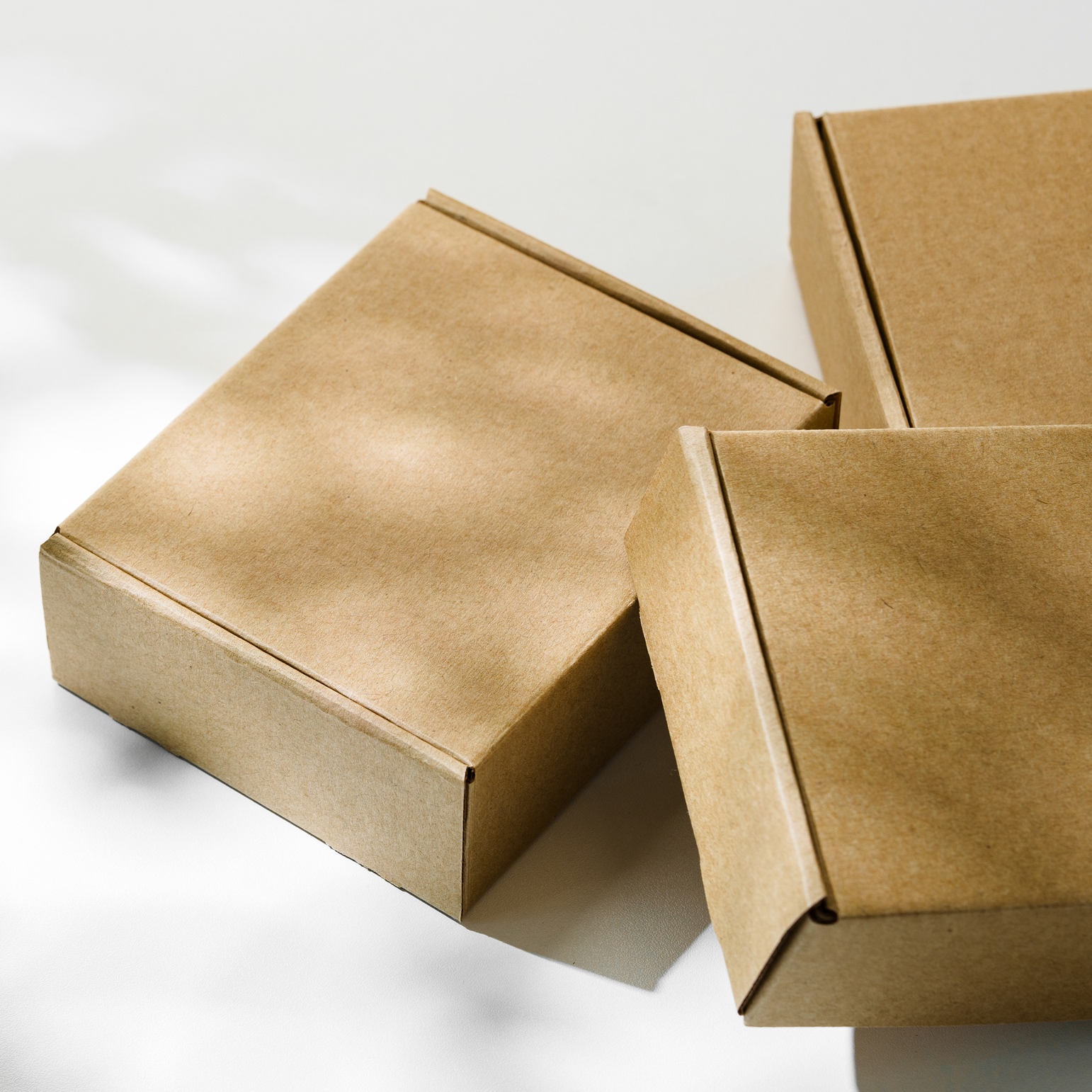
Mailer boxes are great for shipping products directly to customers. They have a self-locking feature that provides maximum protection, which makes them ideal for packaging fragile products. Moreover, they are made from corrugated cardboard, which provides durability, product protection, and an attractive presentation. Moving on, their secure closure eliminates the need for additional adhesives, which makes them a popular choice for e-commerce, subscription boxes, and retail deliveries.
Features
- Self-locking design for quick and easy assembly
- Durable corrugated structure
- Lightweight and compact
- Various sizes
- Customizable with printing, finishes, and inserts
- Secure closure without the need for additional adhesives
Common Applications
- E-commerce Packaging: These branded mailer boxes are ideal for shipping products, such as apparel, cosmetics, skincare items, electronics, books, and more.
- Subscription Boxes: They are perfect for monthly subscription services, which require attractive and branded packaging.
- Gift Packaging: They are suitable for corporate gifts, promotional giveaways, holiday gifts, and special occasions.
- Sample and Promotional Kits: Not to forget, these boxes are also a great option for sending product samples in PR packages and influencer kits.
- Retail Packaging: They improve the shelf presentation while also providing protection for premium retail products.
- Direct-to-Consumer Shipping: Lastly, they deliver products safely and create a positive first impression with a premium unboxing experience.

What Are Shipping Boxes?
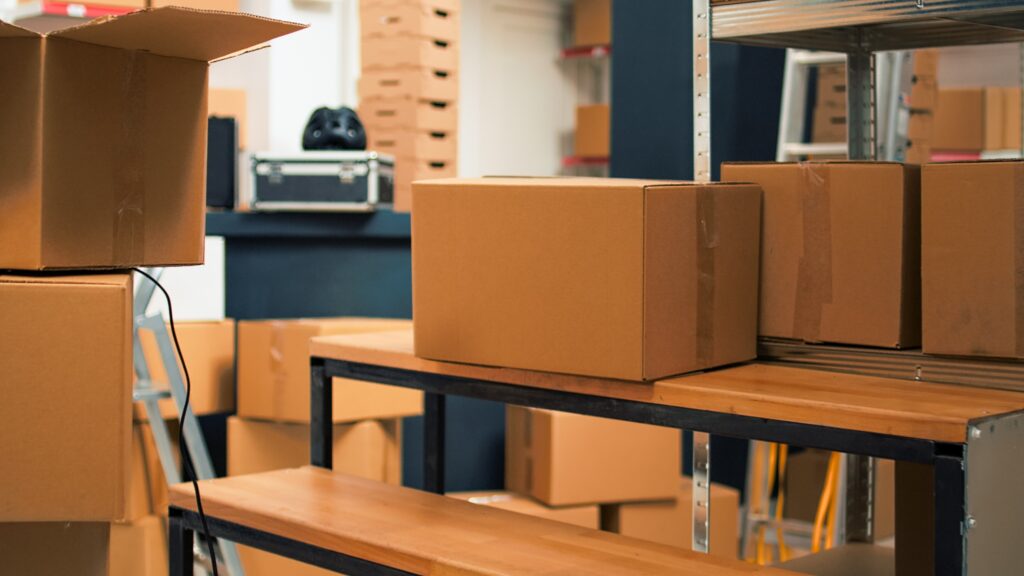
Shipping boxes protect products during storage, handling, and transportation, as they are made from durable corrugated cardboard and are sealed with packing tape for added security. They are customizable in various sizes and styles for protection purposes. Moreover, their main purpose is to ensure products reach their destination safely, especially during long-distance or bulk shipments.
Features
- Strong and durable corrugated construction
- Great protection during shipping and handling
- Sealed with packing tape or adhesives for added security
- Customizable in various sizes and weight capacities
- Compatible with protective materials, such as bubble wrap, foam inserts, and packing paper
- Cost-effective for shipping large or multiple products
Common Applications
- International Shipping: These boxes are designed to protect products during long-distance shipping and reduce the risk of damage.
- Bulk Shipping: They are ideal for shipping large quantities of products, mainly to warehouses and retailers.
- Industrial Packaging: These boxes can be used for shipping machinery parts, tools, equipment, and other industrial goods.
- Large and Heavy Products: They are perfect for large and heavy items, such as furniture pieces, home decor, appliances, and other oversized items.
- Fragile Product Shipping: These are used for glassware, ceramics, electronics, and other delicate products and work best when paired with cushioning materials.
- Warehouse Storage and Distribution: Lastly, they help organize, store, and transport products efficiently.
How to Choose Between Mailer Boxes and Shipping Boxes
When it comes to choosing between mailer boxes and shipping boxes, it depends on your product and shipping requirements, as well as your budget and branding goals. Evaluating these factors is important, as it will help you select the cost-effective packaging that offers protection and presentation.
1. Product Protection
The level of protection your product requires is one of the most important things to consider. Mailer boxes are suitable for lightweight and moderately fragile products, whereas shipping boxes provide stronger protection for heavy, delicate, or high-value items, especially when used with protective inserts.
2. Product Size and Weight
Mailer boxes are best for small to medium-sized products that are lightweight and compact. Shipping boxes are a better choice for larger, heavier, or bulky products, as they need more space and support during shipping.
3. Shipping Distance
Mailer boxes protect direct-to-consumer orders. On the other hand, shipping boxes are more suitable for long-distance, international, or bulk shipments where products may experience rough handling.
4. Budget
Mailer boxes are more cost-effective for lightweight products because they use less material and reduce shipping costs. Shipping boxes may cost more, but they offer greater durability, making them ideal for products that need maximum protection.
5. Branding and Customer Experience
If creating a memorable unboxing experience is a priority, then mailer boxes are a great option, as they can be customized with high-quality printing and premium finishes. In contrast, shipping boxes focus more on product protection, but they can also be branded when needed.
6. Packing and Shipping Efficiency
Consider how quickly your team can assemble, pack, and ship orders. Then, choose packaging according to your specific needs. This will help improve efficiency, reduce packing time, and simplify the shipping process.
Conclusion
Mailer boxes and shipping boxes are both important in product packaging, but each is designed for different purposes. Mailer boxes are ideal for lightweight products and branded packaging to create a memorable unboxing experience. On the contrary, shipping boxes provide superior protection for heavy, fragile, or bulk shipments. By considering your product’s size, weight, shipping distance, budget, and branding needs, you can choose the right packaging solution that best supports your business.