

Understanding Artwork and Antiques
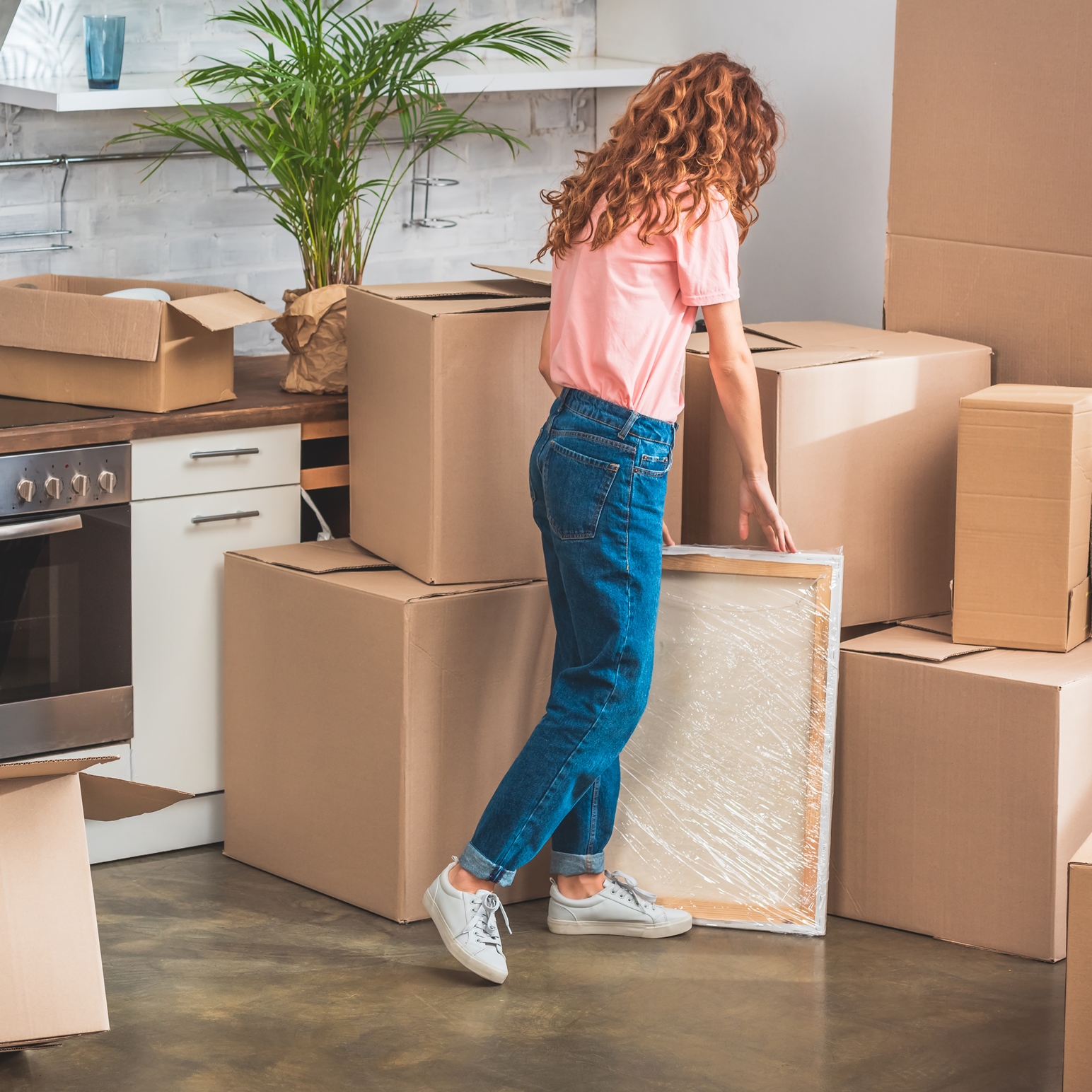
The items one moves can vary greatly from person to person. While some people have lots of similar objects such as books or CDs, others have large quantities of unique artifacts, including pieces of artwork and antiques. Each item is most likely of extreme value to the owner and could hold great amounts of meaning, for example, family heirlooms that have been passed down from generation to generation. These pieces of artwork and antiques need to be treated with the utmost care when moving them in order to prevent any damage, such as a painting getting ruined during a move or a delicate vase breaking.
Planning Your Move
To properly move the valuables in your home, it is crucial to carefully plan and organize your relocation before the big day. This process involves making a comprehensive list and inventory of all the artwork and antiques you plan to move and pack. As you carefully begin to pack each valuable item, take photos to document the piece for your personal records, as well as for future reference when confirming insurance coverage for any possible damage that may occur during your relocation.
Next, look at the moving circumstances. Will you be moving to another state, such as California, or are you planning an intrastate move? This is important to know in order to prepare for potential road conditions and other external factors that may affect your move and your belongings. Keep in mind that many artworks and antiques are extremely sensitive to external elements and can suffer damage quickly if exposed to extreme temperatures, and thus need to be moved in a protected, climate-controlled moving container.
Packing Techniques for Antiques
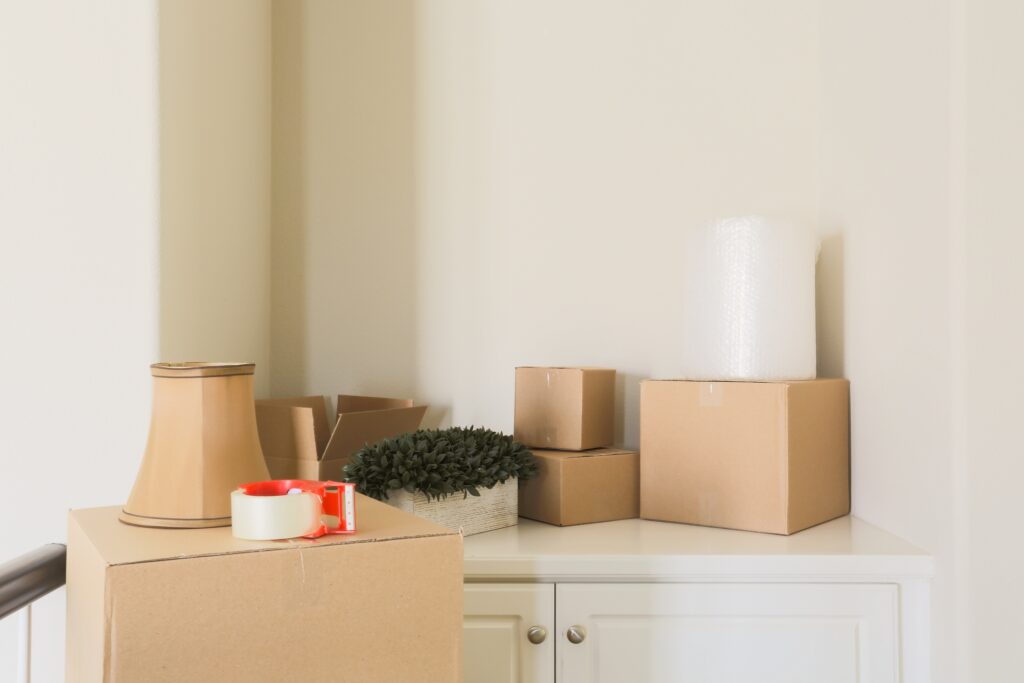
To safely move antiques, use high-quality packing materials such as kraft paper, bubble wrap, tissue paper, or specialized foam padding. When packing fragile items, place adequate protective material between each piece to ensure it is fully protected during transportation. It is also important to use appropriately sized boxes to prevent items from shifting during transit.
To protect antique furniture during a move, start by disassembling larger pieces, such as beds, tables, and cupboards. Place all screws, bolts, and other small hardware in labeled containers to prevent them from getting lost and ensure the furniture can be properly reassembled at its new destination. Moving blankets can be used to protect individual items of furniture from being scratched or damaged during the move. Make sure to cover every corner and edge to provide maximum protection.
Also, be aware of how you pack your smaller and more sensitive antiques, like fine chinaware or glassware. Pack such pieces in sturdy boxes with plenty of padding in between each object. Make sure the boxes are of the correct size to prevent too much movement. Stack the boxes up with the heaviest objects at the bottom to ensure they won’t fall over.
Protecting Your Artwork
Paintings and prints can vary greatly in size. They should be packed in an upright position and wrapped in protective layers of glassine paper and kraft bubble. It is very important not to use regular plastic wrap, as this can trap moisture and potentially cause damage to your artwork.
Use corner protectors for paintings with a frame. Flat artwork should be packed standing up in a sturdy cardboard box, which should be the correct size for the artwork. There should be no movement of the artwork within the box.
It is best to have your artwork moved by professional art handlers. They have the expertise to pack, transport, and unpack valuable pieces safely. Some also offer custom-built crates designed to fit specific artworks, providing additional protection throughout the move.
Choosing the Right Transport Method
Whether you hire interstate movers to California or movers serving another state or your local area, they will need details about your art and antiques to recommend the safest transportation methods. Ask for references from previous moves involving similar items. If you need to move delicate items, make sure the movers have climate-controlled vehicles and can properly secure your belongings during transit.
If you are handling the move yourself, rent a suitable van or truck, preferably equipped with climate control, to transport your artwork and antiques. Whenever possible, transport your most valuable and delicate items personally, especially when traveling long distances.
Insurance and Final Checks
Remember that it’s also important to ensure that your artwork and antiques are covered during your move in case any damage occurs. It is best to check with your insurer to see what options are available to you.
In the final stages of your move, double-check everything to make sure nothing has been left unpacked or behind. Review your inventory list before departure and again after arriving at your new home to confirm that all items have arrived safely and have been unpacked properly.
On moving day, take extra care when handling your artwork and antiques to prevent damage. Take plenty of photos of each piece before the move, including its original placement in your home. These images can help you remember how the items were displayed and make it easier to arrange them in your new space.