

Some roads seem to appear in accident reports more often than others. Drivers may travel through the same intersection every day without incident, yet certain locations consistently experience higher crash rates. These patterns are rarely the result of a single problem and often involve a combination of contributing factors.
Traffic conditions, roadway design, weather, and driver behavior all influence how safely vehicles move through an area. When multiple risk factors overlap, the likelihood of collisions can increase significantly. Understanding those factors helps explain why some roads develop a reputation for being more hazardous than others.
Discussions about dangerous roads in Clermont often focus on locations where crashes occur repeatedly. While every accident is unique, examining the conditions that contribute to these incidents can provide valuable insight into how roadway risks develop and what can be done to reduce them.
More Vehicles Usually Mean More Opportunities for Conflict
Traffic volume plays a major role in roadway safety. As more vehicles use a road, the number of interactions between drivers naturally increases. Each lane change, merge, turn, and stop creates another opportunity for mistakes or misunderstandings.
Congestion can make these challenges even more pronounced. Drivers may become impatient in heavy traffic, leading to sudden lane changes, aggressive driving, or following too closely. These behaviors increase the likelihood of collisions, particularly during peak travel hours.
Busy corridors often experience a mix of local traffic, commuters, and unfamiliar drivers navigating the area for the first time. The combination of high traffic volume and varying levels of familiarity can contribute to confusion and increase crash potential.
Road Design Can Influence Driver Decisions
The layout of a roadway often affects how drivers respond to traffic conditions. Sharp curves, limited sight distances, short merge lanes, and confusing intersections can create situations where motorists have less time to react.
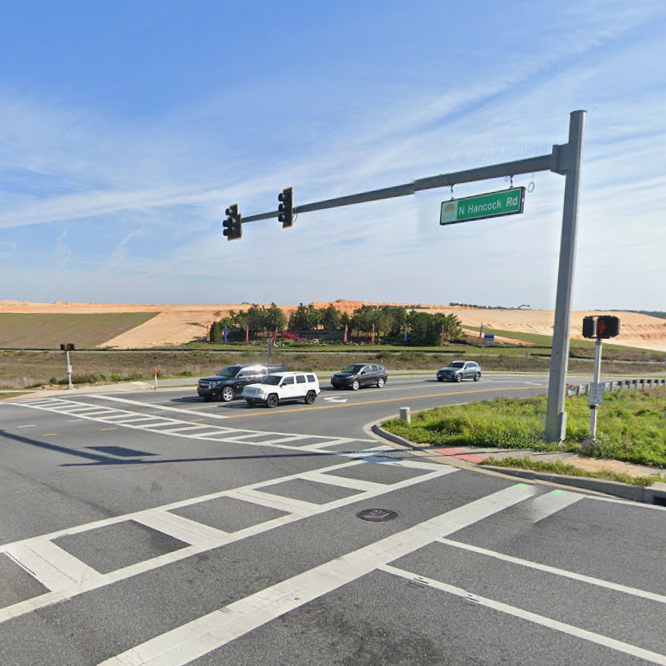
Intersections are particularly challenging because they require drivers to process multiple sources of information at once. Traffic signals, turning vehicles, pedestrians, and changing traffic patterns all compete for attention within a relatively small area.
Even roads that appear safe at first glance may contain design features that contribute to accidents. Poor signage, inadequate lighting, or unclear lane markings can increase uncertainty and make it more difficult for drivers to make confident decisions.
Human Behavior Remains a Major Factor
Road conditions alone do not cause accidents. Driver behavior often plays a significant role in determining whether a hazardous situation develops into a collision. Speeding, distracted driving, and failure to obey traffic signals continue to contribute to crashes in many communities.
Certain locations may encourage risky behavior. Wide roads can create a false sense of security that leads drivers to travel faster than conditions warrant. Busy intersections may tempt motorists to rush through yellow lights or make aggressive turns.
Even experienced drivers can make mistakes when they become complacent. Familiarity with a route sometimes causes people to pay less attention, increasing the likelihood of overlooking hazards or reacting too slowly when conditions change.
Conditions Outside Driver Control Matter Too
Environmental factors can significantly affect roadway safety. Rain, fog, glare from the sun, and other weather-related conditions may reduce visibility and increase stopping distances. Roads that are relatively safe in clear weather can become much more challenging during adverse conditions.
Trees, hills, and surrounding development can also affect visibility. Drivers may have difficulty seeing approaching vehicles, pedestrians, or traffic signals until they are much closer than expected.
Seasonal changes sometimes introduce additional challenges. Construction zones, changing daylight hours, and fluctuating traffic patterns can alter how drivers interact with a roadway and influence overall safety conditions.
High-Risk Roads Usually Reflect Multiple Challenges
There is rarely a single explanation for why certain roads experience more accidents than others. Instead, crash-prone locations often combine heavy traffic, challenging roadway design, environmental factors, and driver behavior in ways that increase risk.
Understanding these influences helps explain why some areas consistently generate safety concerns. It also highlights the importance of addressing roadway issues from multiple angles rather than focusing on a single cause.
When drivers remain attentive, and transportation officials continue evaluating problem areas, meaningful improvements can occur. Safer roads often result from a combination of better infrastructure, informed planning, and responsible driving habits working together over time.