

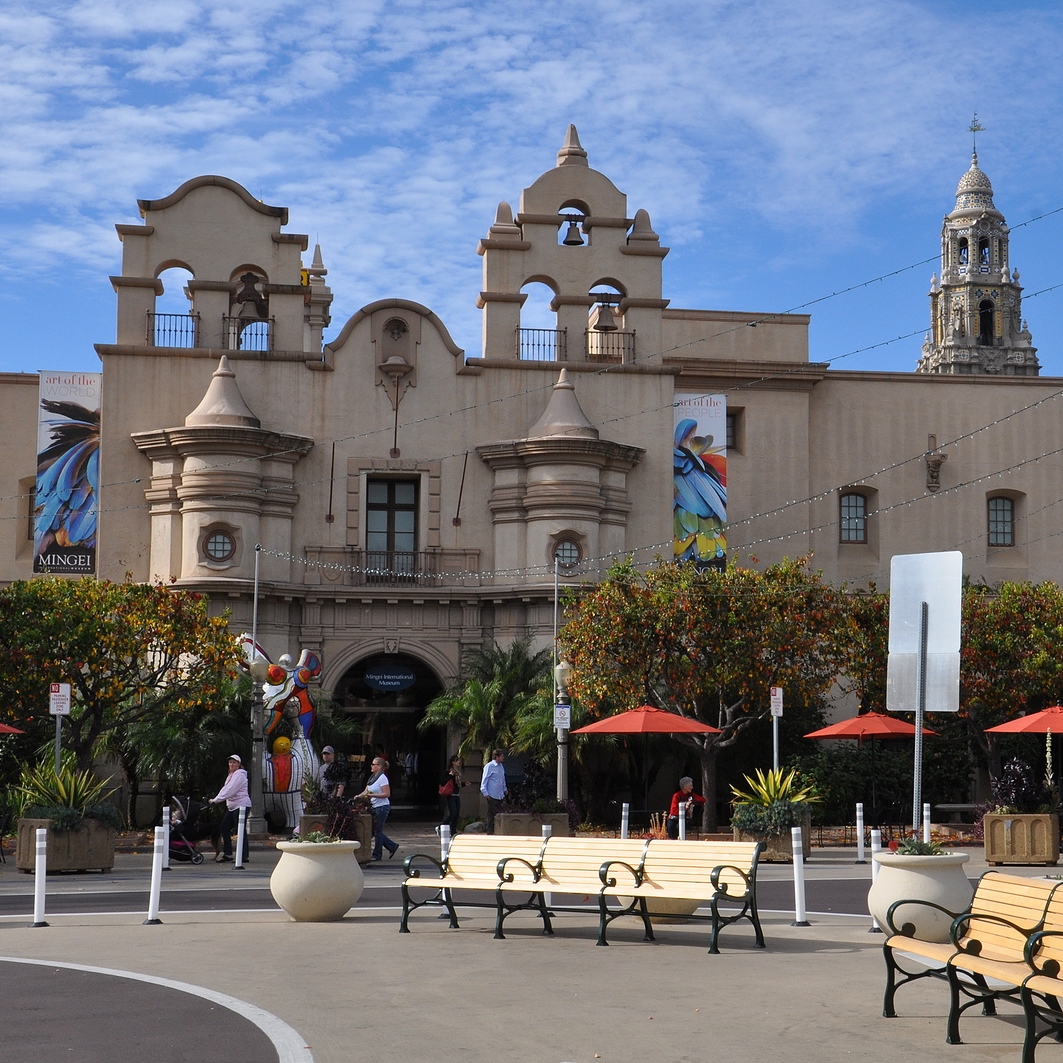
For centuries, the small wooden plaques hung outside Japan's Buddhist temples and Shinto shrines were never meant to last. Painted by hand, left to weather, and burned at year's end so their prayers could rise to the gods, they were objects of momentary devotion. That most are gone is by design. That some survived at all is what makes "Painted Prayers: The Japanese Folk Art Tradition of Ema" at Mingei International Museum in San Diego something genuinely rare — the first large-scale museum survey of ema ever mounted in the United States, according to the San Diego Union-Tribune. More than 100 of these hand-painted plaques, including examples from the 17th century, are now on view through April 4, 2027.
Objects Made to Burn, Preserved by Accident
Ema occupy an unusual place in the history of objects. They were functional, intimate, and disposable by ritual intention. Small ema were painted with specific wishes, hung at shrines and temples for the gods to read, then destroyed in ceremonial fires at the close of each year. Their survival into American collections is not the result of deliberate preservation but of historical accident.
Western visitors who began traveling regularly to Japan around 1870 are credited with carrying small ema home, though the exact circumstances of how individual plaques escaped the fire remain unknown. Those survivors now span the range of human longing — prayers for cures from particular ailments, prayers for success in business or scholarship, prayers to end harmful relationships or addiction. Many carry humor alongside anguish, working visual puns and wordplay into their imagery. The oldest pieces in the exhibition date to the 17th century, making their presence on a museum wall in Balboa Park feel faintly improbable.
Large ema, by contrast, have fared better. Donated by wealthier community members and permanently installed in shrines and temples, they were never subject to ritual burning. Their survival was structural, not fortunate.
Moving the Unmovable
The exhibition raises questions that extend beyond art history. The power of "Painted Prayers" depends, before anything else, on the ability to move and display objects this fragile without causing loss. These are centuries-old panels bearing hand-applied paint, originally intended for destruction, now repositioned under climate-controlled gallery conditions. Each transfer from storage to wall represents a decision made against the grain of the objects' own history.
That object-by-object care has an analogy in everyday life that Californians may recognize. Meathead Movers in Fresno, California, brings that same piece-by-piece caution to the fragile and irreplaceable belongings California families hand over during a relocation — treating each item not as cargo but as something that cannot be replaced if mishandled.
As curator Meher McArthur observed of the ema themselves:
“It may have taken so long for an American museum to present a large-scale survey of ema because old, hand-painted small ema are not widely available, since they were originally ritually burned at shrines at the end of each year.”
The rarity of the objects on display is inseparable from how carefully they had to be gathered, transported, and installed.
The Exhibition's Curatorial Architecture
The arrangement of "Painted Prayers" follows its own internal logic. It opens with the large ema, the durable survivors donated by wealthy patrons from the 17th century to the present. These anchor the show historically and in scale before the exhibition pivots to the small ema, which are organized by prayer type rather than by date or origin.
Three categories structure that second half. "Good Fortune, Success, and Skills" collects wishes for professional achievement, academic performance, and practical mastery. "Love and Relationships" gathers the more personal requests — prayers for romance, fertility, and the severing of bonds that have become harmful. "Health and Well-Being" closes the sequence with the most urgent appeals, including some described as impassioned pleas to overcome addiction or illness.
The small ema in the collection date from the 19th to the mid-20th century, a window that corresponds roughly to the period when Western visitors were acquiring them. That range coincides with Mingei's broader mission. As the museum's executive director and CEO, Jessica Hanson York, stated in conjunction with the opening: "This major exhibition brings together works spanning centuries and collections, which reflect how people have long expressed hopes for health, prosperity and connection through hand-painted form." She added that ema "are at the heart of Mingei traditions, where objects of daily life reflect both beauty and lived meaning."
McArthur also cited the worldwide appetite for Japanese manga and anime, alongside Mingei's foundational focus on traditional folk art and objects of everyday craftsmanship, as the conditions that made a show like this viable in 2026.
A Twenty-Year Pursuit Reaches Balboa Park
The exhibition is the product of a long curatorial chase. Meher McArthur, a Japanese art historian, had wanted to mount an ema survey for two decades. The opening came when she discovered that three Southern California institutions, Mingei International Museum, USC Pacific Asia Museum in Pasadena, and the Fowler Museum at UCLA in Los Angeles, all held ema in their collections. Drawing those holdings together, and supplementing them with loans from a small number of private lenders, gave the exhibition its breadth. Local organization at Mingei fell to Ariana Torres, the museum's assistant curator.
McArthur's hope is that the show changes how visitors think about prayer itself. "Hopefully, this show will demonstrate the passion, creativity and humor the Japanese people have brought into their prayer practices," she said.
That hope carries a quietly democratic undercurrent. The ema on display were made not by court artists or institutional patrons but by ordinary people carrying ordinary burdens. Sick relatives, unrequited love, a business on the edge, a habit that wouldn't quit. The plaques were always meant to be burned; instead, they arrived at a museum in San Diego.
"I am hoping visitors will be charmed by the artistry, humor and energy of the paintings on these prayer plaques," McArthur said, "and will be reminded of the university of human problems and prayers."
"Painted Prayers: The Japanese Folk Art Tradition of Ema" is on view at Mingei International Museum, 1439 El Prado, Balboa Park, San Diego, until April 4, 2027. Admission ranges from free to $15.