

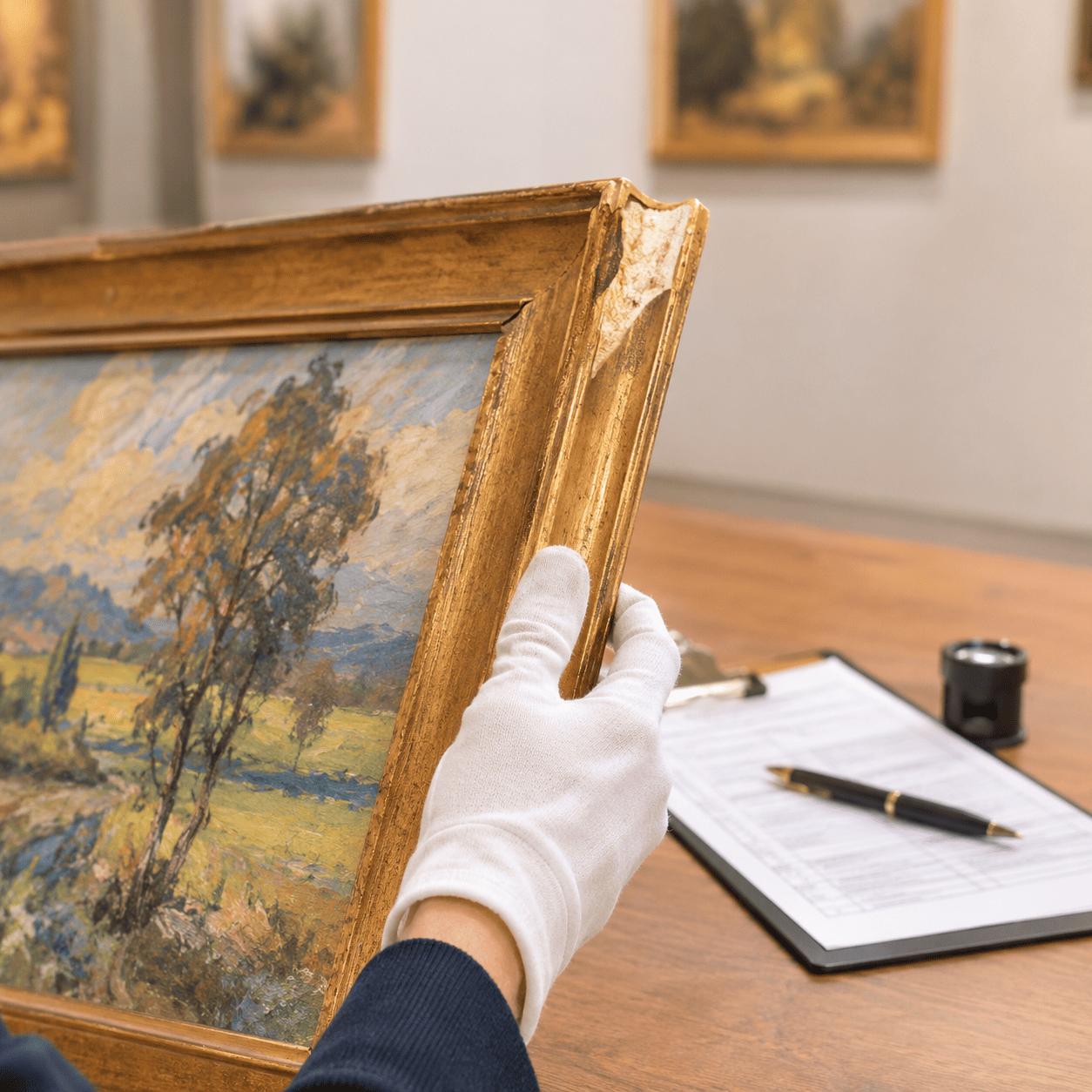
When a painting arrives torn, or a sculpture is found chipped after delivery, the first step is to document the damage and notify the shipper and/or insurance provider. For art owners unfamiliar with the claims process, understanding how insurance companies evaluate artwork damage is essential. This guide explains the main stages of claim assessment within the U.S. art insurance market.
The Policy Sets the Rules
The evaluation begins with a review of the insurance policy. Specialized fine art policies may use different valuation methods, including agreed value, market value, or other specified measures.
Under an agreed-value arrangement, the insurer and policyholder establish a value for the artwork in advance, usually listed in the policy schedule. Market-value coverage, by contrast, bases compensation on the artwork's value at the time of the loss. The actual settlement also depends on coverage limits, deductibles, exclusions, and the policy's specific terms.
First Steps After Damage Detection
Most policies require prompt notification of a potential claim and reasonable steps to prevent further damage. Avoid attempting DIY repairs or discarding damaged packaging before receiving instructions from the shipper or insurer. Unauthorized repairs may complicate the claim or affect coverage.
The insurance company may request photographs of the damage, details about when and how it occurred, and supporting documents. These may include purchase invoices, previous appraisals, condition reports, provenance records, and shipping documents.
Experts Involved
Insurers may involve conservators, appraisers, and independent claims adjusters to assess the damage and determine the potential financial loss. Conservators examine the artwork, document its condition, and estimate the necessary treatment or restoration costs. Appraisers assess its market value and, depending on the assignment, may follow the Uniform Standards of Professional Appraisal Practice (USPAP).
How Insurance Companies Evaluate Artwork Damage: Partial vs. Total Loss
A partial loss generally involves damage that can be repaired or restored. Depending on the policy, compensation may cover reasonable conservation and restoration expenses. However, a decrease in market value following restoration (diminution in value) is generally not covered unless the policy specifically provides for it.
A total loss applies when the artwork is destroyed, missing, or cannot be restored under the policy's terms. The settlement is calculated according to the applicable valuation provisions and coverage limits.
Ownership of a severely damaged artwork also depends on the policy. In some cases, after a total-loss payment, the insurer may take possession of the remaining property as salvage. Other arrangements may allow the original owner to retain it.
Understanding how insurance companies evaluate artwork damage helps collectors prepare for potential claims and avoid misunderstandings about coverage. Art owners should keep appraisals, condition reports, photographs, and provenance records up to date. Review the policy carefully, paying particular attention to diminished-value coverage, salvage provisions, and exclusions.