

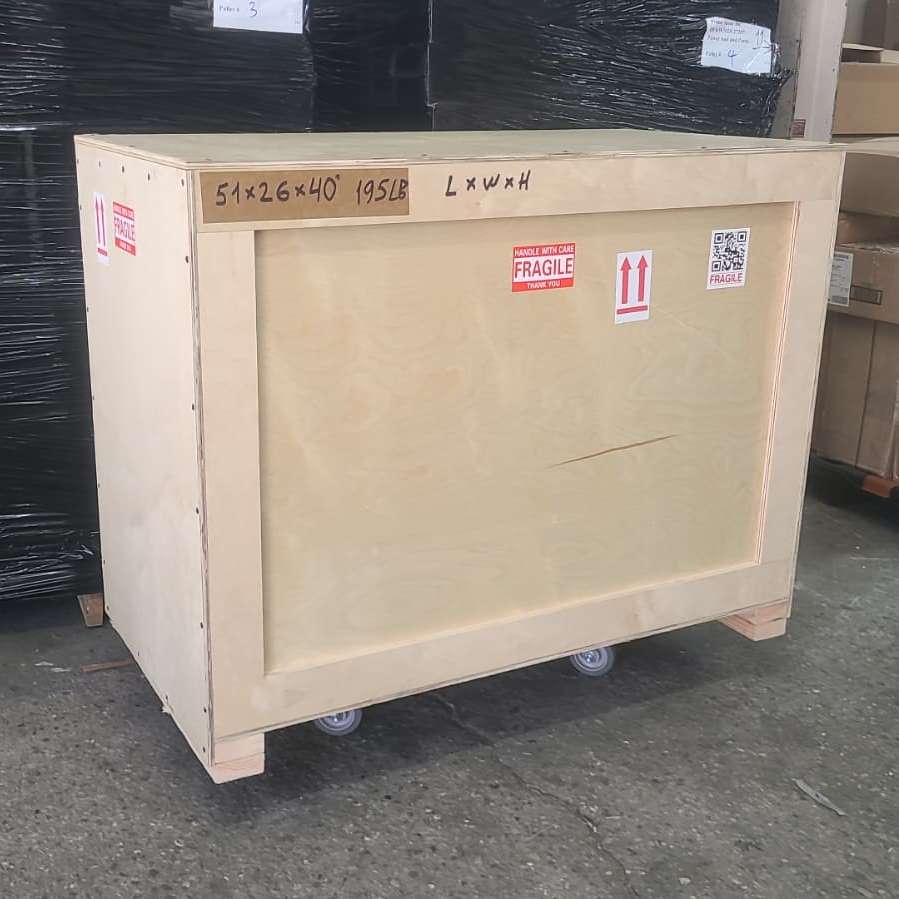
When transporting fine art, proper protection is essential. Whether you are moving a historic oil painting, a contemporary sculpture, or a valuable mixed-media installation, the quality of the crate can determine whether the artwork arrives safely. However, simply placing an artwork inside a wooden box is not enough. Understanding how to crate artwork professionally requires attention to materials, engineering, environmental protection, and handling requirements throughout the journey.
Choose the Right Type of Crate
Every artwork has unique transportation needs. Professional art handlers begin with a thorough assessment of the piece, considering its size, weight, fragility, medium, and travel route.
Several crating options are commonly used:
- Soft packs or reinforced plywood protection for durable works traveling short distances.
- Travel frames for stretched canvases that require support but not full enclosure.
- Museum-quality wooden crates for fragile, high-value, or internationally transported artworks.
Selecting the appropriate crate is the first step in reducing transit-related risks.
Use Museum-Grade Materials
One of the most important lessons about how to crate artwork professionally is that materials matter. Industry-standard crates are typically constructed from plywood or treated wood and lined with protective interior layers designed to absorb shock and minimize environmental fluctuations.
All materials used inside the crate should be chemically stable and free from harmful off-gassing. Acid-free barriers, archival foams, and inert packing materials help prevent long-term damage during transportation and storage.
For climate-sensitive artworks, professionals can add vapor barriers and humidity-control materials such as silica gel to create a more stable microenvironment inside the crate.
Engineer a Secure Interior
The effectiveness of a crate depends largely on its interior design. The goal is to keep the artwork secure without allowing direct contact with hard surfaces.
Professional crating often relies on a floating support system, where the artwork is suspended within custom-cut foam supports. This approach minimizes vibration and impact while preventing movement during handling and transit.
A properly engineered interior ensures that the artwork remains protected even when the crate encounters normal transportation shocks.
Label and Prepare for Handling
Professional art crates should include clear handling instructions. Labels such as “Fragile” and “This Side Up” help reduce the risk of improper handling during loading, transportation, and delivery.
Additional markings may be necessary for climate-sensitive artworks or shipments that require special storage conditions. Clear labeling improves communication among everyone involved in the transportation process.
Learn More About How to Crate Artwork Professionally with Fine Art Shippers
Professional art crating combines engineering expertise, conservation awareness, and careful planning. By working with experienced specialists, collectors, galleries, and institutions can ensure that artworks remain protected throughout transit. Fine Art Shippers provides custom crating solutions and comprehensive logistical support, helping artworks travel safely from collection, gallery, or storage facility to their final destination.