


Independent artists, print publishers, and small galleries are selling more online than ever, and at some point, the spare bedroom or garage setup stops working. That transition, from packing orders yourself to handing them to a fulfillment partner, is a milestone worth getting right. The hard part isn’t deciding to outsource. It’s knowing what actually separates a good 3PL from one that will lose track of a limited-edition print during a busy December.
This isn’t a pitch for why fulfillment matters. Assume you’ve already made that call. What follows is a practical checklist for evaluating the partner itself: the technology behind the scenes, how they handle peak demand, what happens when a fragile piece comes back damaged, and how international orders affect your bottom line.
Start With Order Accuracy and Technology, Not Price
It’s tempting to shop on price first, but the cheapest quote often hides the weakest infrastructure. Nearly 60% of logistics providers now report operating at over 90% warehouse capacity, according to ShipBob’s 2026 fulfillment trends report, which means real-time inventory visibility matters more than it did even a couple of years ago. A partner running on spreadsheets and manual counts will struggle when volume spikes.
Ask any prospective partner how orders move from click to shipment. A provider such as SKU Distribution 3PL uses barcode scanning at multiple checkpoints and integrates directly with platforms such as Shopify, Amazon, and Magento, so inventory counts stay accurate without someone manually reconciling a spreadsheet at the end of the day. That kind of infrastructure is what you want to see before you sign anything, not after a print gets picked wrong and a customer complains.
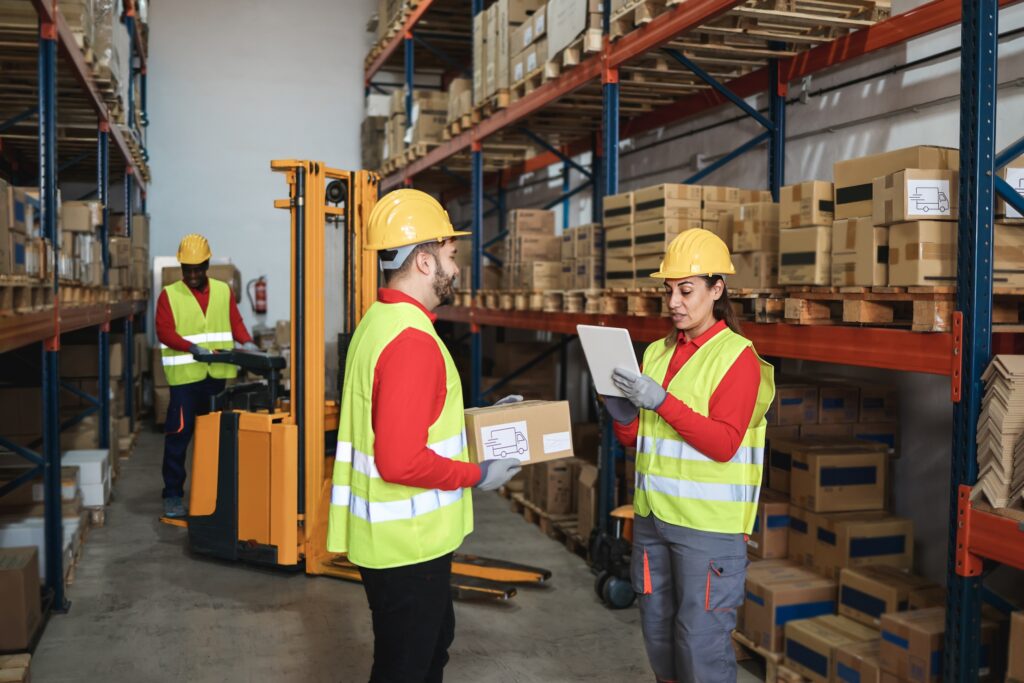
Make Sure the Partner Can Handle Peak Season Without Breaking
The fulfillment market itself is growing fast. The North American ecommerce fulfillment sector was valued at $33.9 billion in 2025 and is projected to reach $38.7 billion in 2026, per Capital One Shopping’s research. Roughly 57% of ecommerce companies now outsource some or all of their fulfillment, a share that keeps climbing as sellers realize DIY shipping doesn’t scale.
That growth means capacity gets tight during peak periods, holiday gift prints, art fair follow-up orders, or a viral social post. Ask a prospective partner directly: what happens to my ship times when order volume triples for six weeks? Look for dedicated account managers, published ship-time benchmarks, and evidence they’ve scaled for other seasonal sellers before. The rise of print-on-demand art distribution has made this kind of surge common, not rare, so a partner needs a real answer, not a vague reassurance.
Returns and Damage Handling for Fragile or Custom Merchandise
Framed prints, canvases, and limited editions don’t behave like commodity goods in a returns pipeline. A cracked frame or a bent canvas corner is a lost sale, not a simple restock. Before committing to a partner, ask exactly how they inspect returned art, what packaging standards they follow for repacking, and whether damaged custom items are logged and reported back to you.
This is where custom crating and packing standards actually matter day to day, not just at the outbound shipping stage. A partner who treats returns as an afterthought will cost you more in damaged inventory than they save you in per-order fees.

Don’t Overlook International Shipping and Duty Costs
Sellers shipping internationally, or importing framing materials and merchandise from overseas, run into duty costs that quietly eat margin. This is where Foreign-Trade Zones (FTZs) come in. As the International Trade Administration explains, FTZs let businesses defer, reduce, or sometimes eliminate duties on imported goods held within the zone. Smaller importers who don’t have the volume to justify their own customs infrastructure can see similar benefits, according to the National Association of Foreign-Trade Zones.
With tariff policy changing again in 2025 and 2026, according to Logistics Management’s coverage of current FTZ rules, a fulfillment partner with FTZ access or guidance can materially change your landed costs and cash flow. It’s worth asking directly whether a prospective partner offers this, even if you don’t need it yet.
Choosing a Partner Is a Growth Decision
Picking a fulfillment partner isn’t just about who ships fastest or charges least. Technology, peak-season readiness, returns handling, and international capability all deserve equal weight in that decision. Traditional art logistics, crating, climate-controlled storage, freight transportation, and e-commerce fulfillment are not competing categories. They’re two halves of the same supply chain for a seller who’s outgrown doing it all alone.