

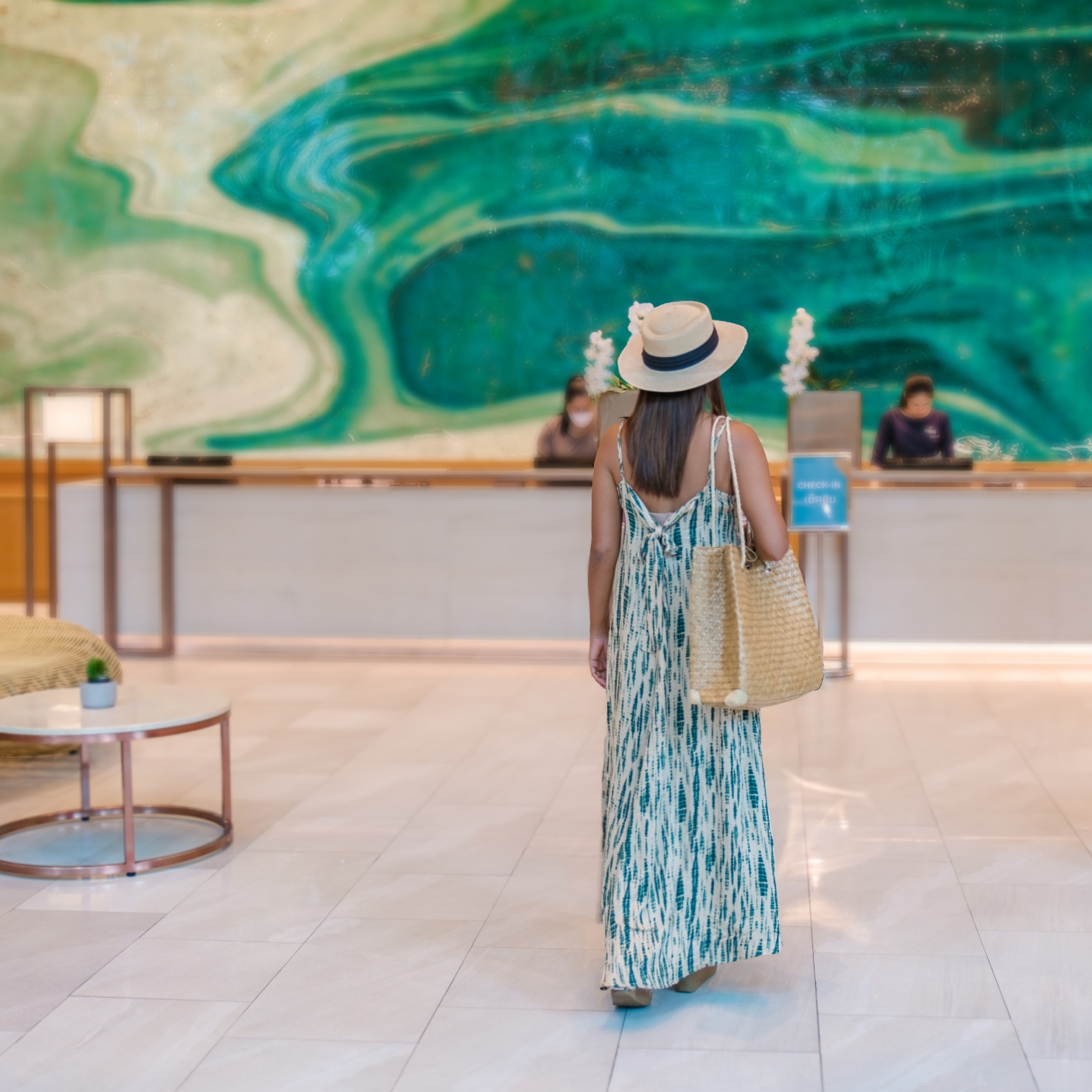
For decades, art played a secondary role in the hospitality industry. Hotels typically opted for neutral décor designed not to distract or challenge guests. Today, however, that approach is rapidly changing. More boutique hotels are turning to professional hotel art installation services to create distinctive visual identities and immersive guest experiences through curated art collections.
Here are three notable examples of how hospitality brands successfully integrate art into their spaces.
Case #1: 21c Museum Hotels
One of the most ambitious examples of blending art and hospitality is the American network 21c Museum Hotels. Founded in 2006 by art collectors Steve Wilson and Laura Lee Brown, the concept introduced a groundbreaking hybrid model that combines a boutique hotel with a fully functioning contemporary art museum.
The idea quickly gained attention for transforming hospitality spaces into cultural destinations. Today, 21c Museum Hotels continue to attract art-focused travelers, galleries, and creative communities while maintaining strong occupancy rates and a recognizable brand identity.
Case #2: Saint Kate – The Arts Hotel
Milwaukee’s Saint Kate – The Arts Hotel takes a different approach by integrating artists directly into the life of the property. The hotel’s name intentionally references Saint Catherine (“Saint Kate”), the patron saint of artists.
Five of the hotel’s 219 guest rooms were designed by Milwaukee-based artists, including the well-known Leopard Room by Lon Michels. Beyond interior design, Saint Kate actively supports artistic practice through its Artist in Residence program, which provides Midwest artists with studio space, curatorial support, and financial stipends.
The hotel also launched an innovative Curator in Residence program, inviting curators to live and work on-site while organizing rotating exhibitions, hosting artist talks, and managing the hotel’s permanent collection.
Case #3: BnA Hotels: Supporting Artists Through Revenue Sharing
Tokyo’s BnA (Bed and Art) Hotels arguably offer the most artist-centered hospitality model. The project began in 2015 with two art-themed Airbnb rooms in Ikebukuro and has since expanded into several properties across Tokyo and Kyoto.
Each room is created through collaborations between artists and designers, turning every stay into an immersive art experience. What makes the concept especially unique is its revenue-sharing structure: a portion of every booking is paid directly to the artist responsible for the room design, creating a long-term royalty model that supports artists financially.
How Hotel Art Installation Services Transform Hospitality Spaces
As these examples demonstrate, professional hotel art installation services can dramatically elevate a hotel’s identity and transform ordinary interiors into curated, creative environments.
The business logic behind this trend is clear. Modern travelers increasingly value memorable experiences over traditional amenities, and hotels with strong artistic identities tend to leave lasting impressions. Thoughtfully integrated art can generate media attention, strengthen brand recognition, and position hospitality spaces as cultural destinations rather than simply places to stay.