

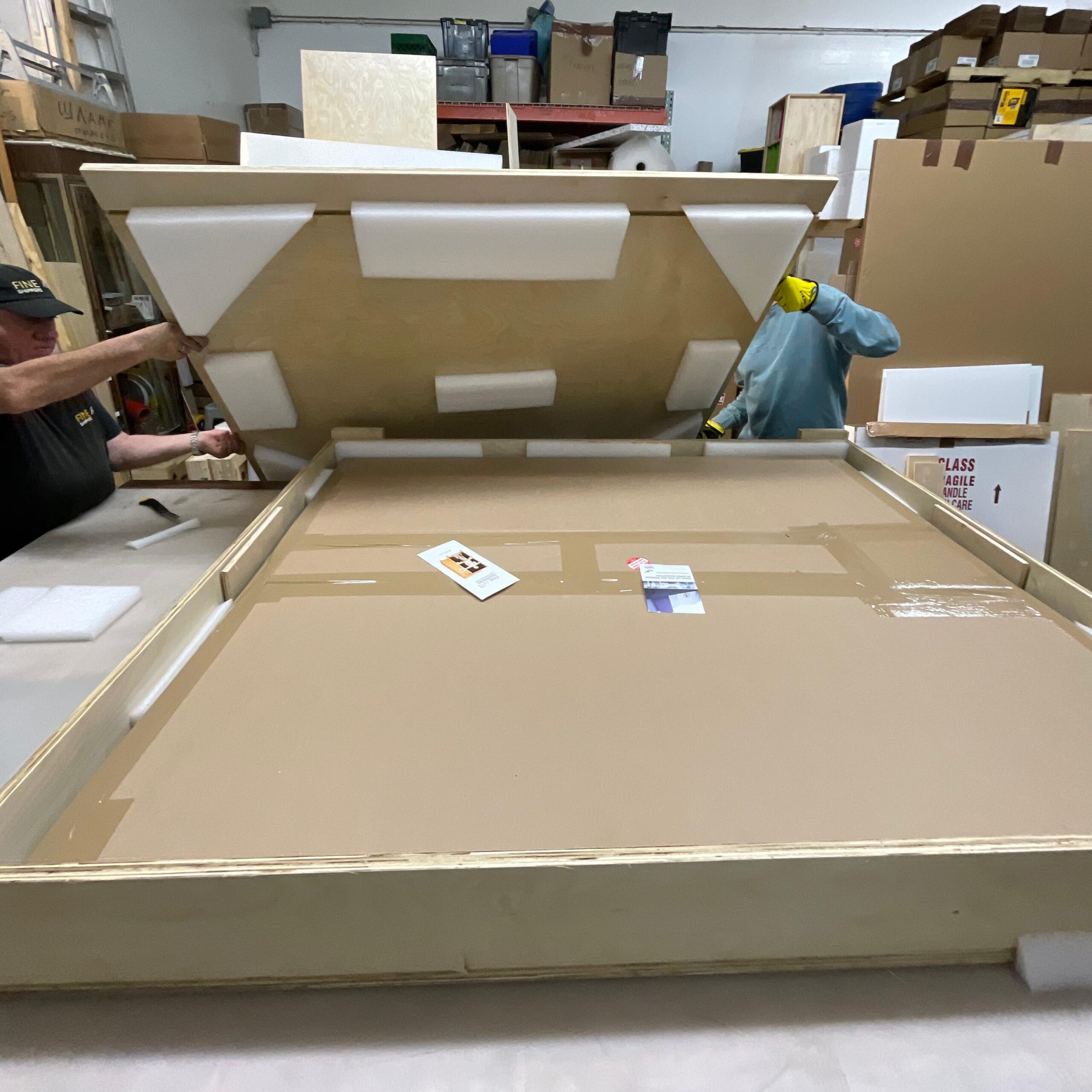
Shipping valuable artwork is far more than a simple transfer from one location to another. Fine art transportation requires meticulous planning, specialized materials, and strict risk management to preserve the artwork’s condition throughout transit. Understanding how to ship expensive paintings safely is essential for collectors, galleries, museums, and artists seeking reliable protection for their investments.
Condition Reporting as the Foundation of Safe Shipping
Before any painting is packed or moved, a condition report should be completed. Professional condition reporting establishes the artwork’s exact state before transportation and serves as an important legal and insurance document if damage claims arise later. Photographs, notes on existing imperfections, and accurate measurements create a documented baseline that protects all parties involved in the shipment.
Climate-Controlled Packaging for Sensitive Artwork
One of the biggest challenges in fine art logistics is maintaining environmental stability. Paintings on wood panels are highly sensitive to humidity fluctuations, while stretched canvases can suffer from vibration, pressure changes, and improper handling.
Professional packaging systems are designed to create a stable microclimate around the artwork. The process typically begins with non-adhesive acid-free glassine paper or art plastic to protect the painted surface. The artwork is then cushioned with conservation-grade foam, kraft bubble, and vapor-barrier materials that minimize exposure to moisture and temperature changes.
For museum-quality or exceptionally fragile paintings, additional climate-control measures may include silica gel packets calibrated to specific humidity levels or active climate-control systems with battery-powered temperature and humidity regulation inside the crate.
Custom Crating and Shock Protection
Custom crating is a standard requirement for transporting high-value paintings safely. Each crate is engineered according to the artwork’s dimensions, weight, fragility, and transportation method. Museum-grade wooden crates provide structural stability and superior impact resistance during handling and transit.
Air shipments must also comply with IATA dimensional and weight regulations to ensure secure transport. Advanced shipping setups often include shock, tilt, and vibration loggers that record handling conditions throughout the journey. These monitoring devices help identify potential incidents and provide valuable documentation if any damage occurs during transportation.
Maintaining a Secure Chain of Custody
International fine art transportation frequently involves customs procedures, ATA Carnets, CITES documentation, import/export permits, and compliance with country-specific regulations. Professional art shippers maintain a secure chain of custody from pickup to final delivery, ensuring that the artwork is handled only by trained specialists at every stage of transit. Careful coordination significantly reduces the risks associated with customs delays, improper handling, and administrative errors.
Fine Art Shippers Knows How to Ship Expensive Paintings Safely
When transporting valuable artwork, working with experienced professionals is the safest solution. Fine Art Shippers specializes in domestic and international fine art logistics, offering museum-grade packing, custom crating, white-glove transportation, and full logistics coordination for collectors, galleries, museums, and artists.
With decades of industry experience, the company understands how to ship expensive paintings safely while meeting the highest standards of security, climate protection, and professional handling.