

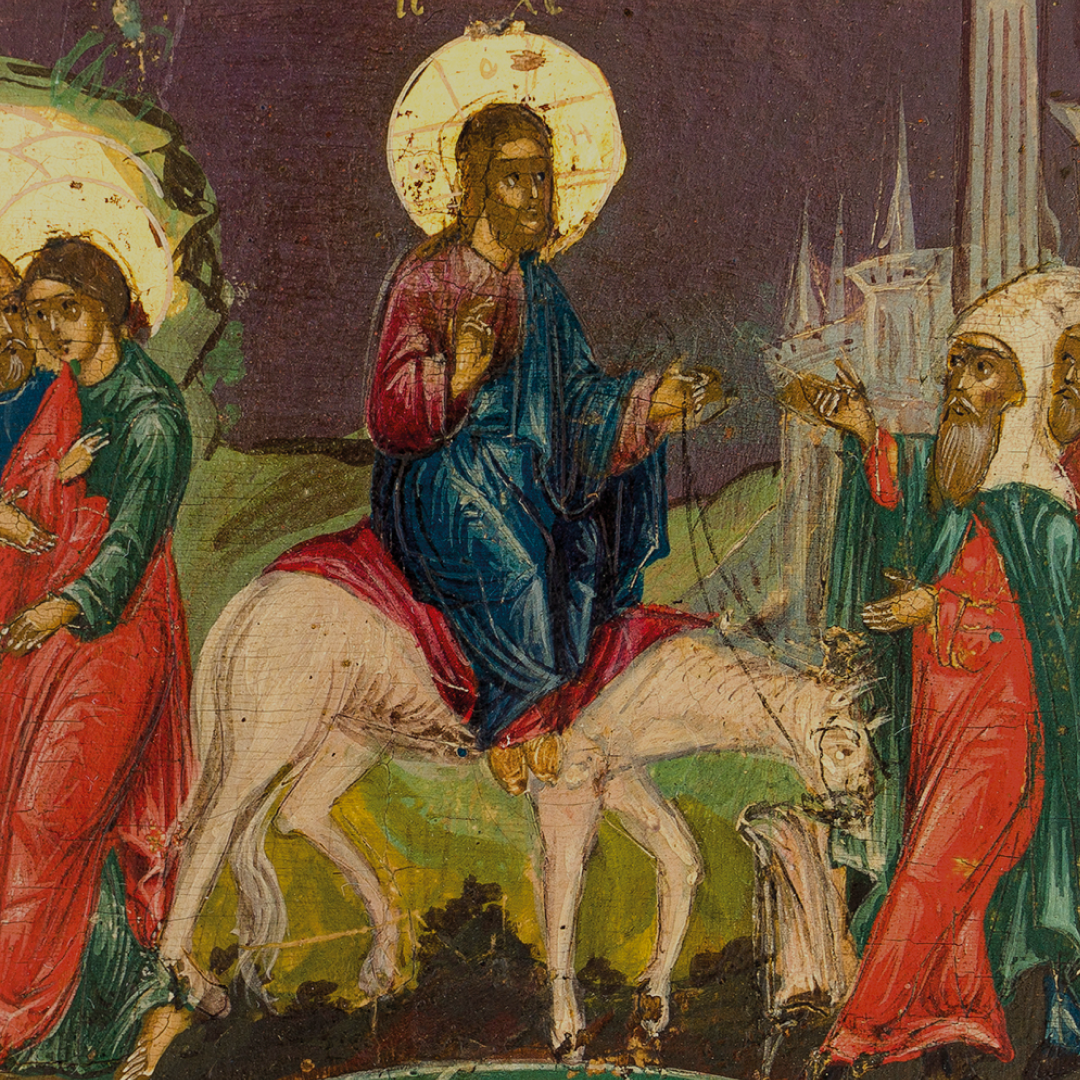
Long before the Russian icon became a prized object in Western galleries and auction houses, it was already the focus of dedicated collectors. The earliest serious collecting efforts were made by the Old Believers—Orthodox Christians who rejected the reforms of Patriarch Nikon in the 17th century and faced persecution from both church and state. Forced into remote regions, they preserved and safeguarded icons, forming collections that would later pass to future generations.
The status of the icon gradually evolved from a purely sacred object into a recognized art form, particularly during the reign of Nicholas II, when interest in iconography and its scholarly study increased. By the early 20th century, prominent collectors such as Ostroukhov, Likhachev, Ryabushinsky, and Shchukin had assembled significant private collections, elevating the cultural value of Russian icons.
The 1917 Revolution, Loss, and First Exports
The 1917 Revolution marked a turning point in the history of the Russian icon. Widespread upheaval led to the looting of churches, palaces, and private estates, while the Bolshevik regime’s anti-religious policies placed icons at particular risk. Many of the first icons to reach the United States were carried by White émigrés, who left Russia believing their exile would be temporary.
By the late 1920s, official export channels emerged through state-run institutions such as Torgsin and the Leningrad Antikvariat, making Russian icons accessible to foreign collectors. A landmark moment came with the 1929–1932 exhibitions organized by the Tretyakov Gallery and the Russian Museum in the United States, which introduced American audiences to this rich artistic and spiritual tradition. At the same time, large-scale sales encouraged by the Soviet government led to a decline in market value, even as international interest continued to grow.
The First Russian Icon Collections in the USA
Early collections of the Russian icon in the United States were often assembled by diplomats, collectors, and industrialists with access to Soviet art markets. Ambassador Joseph Davies gathered an important group of icons that later contributed to the collection of the Hillwood Museum. Other notable collectors, such as George Hann and Amy Pitnam, played key roles in shaping institutional holdings, with their collections eventually entering major American museums.
The Late Soviet Period and Renewed Interest
The late Soviet era brought renewed movement of Russian icons abroad. Following decades of church closures and destruction—particularly under Khrushchev—many icons re-entered circulation. The period of perestroika opened new channels for export, allowing collectors and dealers greater access. During this time, émigré collectors such as Oleg Kushnirskiy began assembling significant holdings, including collections of Old Believer icons that continue to be studied and cataloged today.
From hidden sacred object to globally recognized artwork, the journey of the Russian icon to America reflects a complex history shaped by faith, politics, preservation, and cultural exchange. Learn more about it in the unique art catalog of the Oleg Kushnirskiy collection, which is now available for purchase on the official website of Russian Icon Collection.