

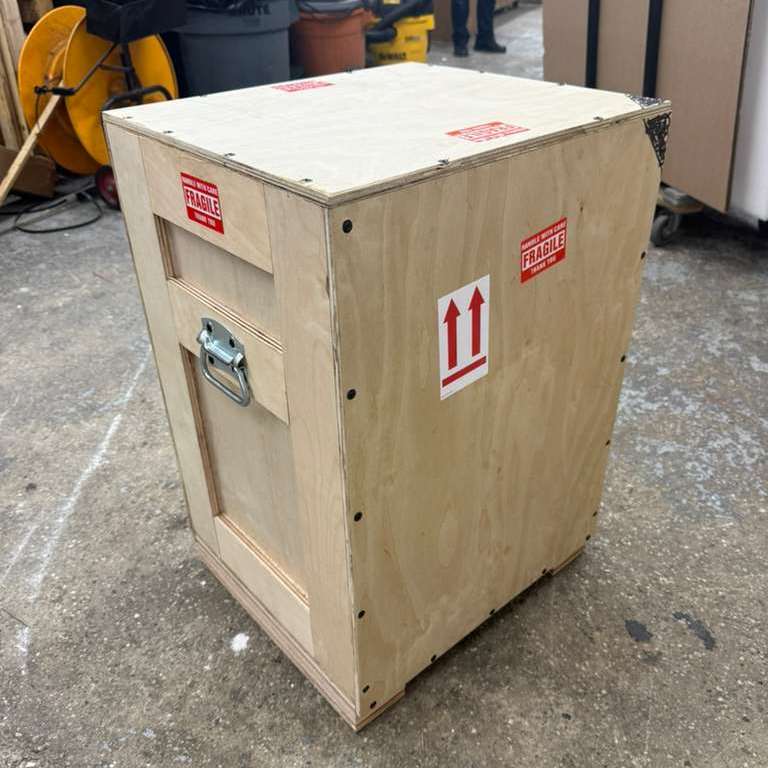
For artists who regularly exhibit and sell their work, completing a piece in the studio is only half the job. The other half is getting it safely to exhibitions, art fairs, galleries, and new owners. This involves choosing packing methods, arranging custom travel crates for artwork, and coordinating delivery schedules.
Budget for Shipping Before Committing
Shipping costs can come as an unpleasant surprise after an artist has accepted an invitation to participate in an art fair or exhibition. Before committing, request quotes for both the outbound and return journeys from several reputable art logistics providers. Compare what each quote includes: packing, crating, collection, delivery, and insurance. For international events, also account for customs duties where applicable, brokerage fees, and temporary export or import documentation. Confirm who is responsible for arranging these documents and meeting the event’s deadlines.
Travel Crates for Artwork: Are They Worth It?
Basic packaging may be sufficient for some small, robust works, but framed, glazed, oversized, fragile, or high-value pieces often require more substantial protection. A custom crate is designed around the artwork’s dimensions, weight, construction, and vulnerabilities. Depending on the shipment, it may include a rigid wooden or composite exterior, internal supports, cushioning to limit movement and absorb shock, and protective materials selected for the transit conditions. Moisture protection may also be appropriate when humidity exposure is a concern.
Single-use crates can be practical for one-way shipments, while reusable crates may be more economical when an artwork travels to multiple shows. Their suitability depends on storage space, return transport, and adaptability.
Smart, Less Wasteful Packing
Frequent exhibitions can generate considerable packaging waste. Reusing crates and suitable packing materials can reduce waste and, over time, lower costs. Reusable travel crates for artwork can be particularly beneficial for artists who participate in multiple exhibitions throughout the year, reducing the need for new packaging and helping control long-term shipping costs. However, materials should only be reused if they remain clean, intact, and appropriate for the artwork. Returnable blankets and consolidated shipping may also help reduce packaging needs and transport costs, depending on the route and schedule.
DIY or Professional Art Shipper?
Packing an artwork yourself may be reasonable for a small, sturdy piece with straightforward shipping requirements. However, building a crate for an artwork becomes more challenging when the object is oversized, irregularly shaped, three-dimensional, fragile, or particularly valuable. These cases require careful consideration of structural support, cushioning, materials, and handling.
Professional art shippers can recommend packing methods for different types of artwork and coordinate collection, transportation, and delivery. Clear labels, handling instructions, a condition report, and installation notes can also make receiving and unpacking easier for galleries and exhibition teams. Thoughtful preparation helps protect the work and presents the artist as organized and professional.