

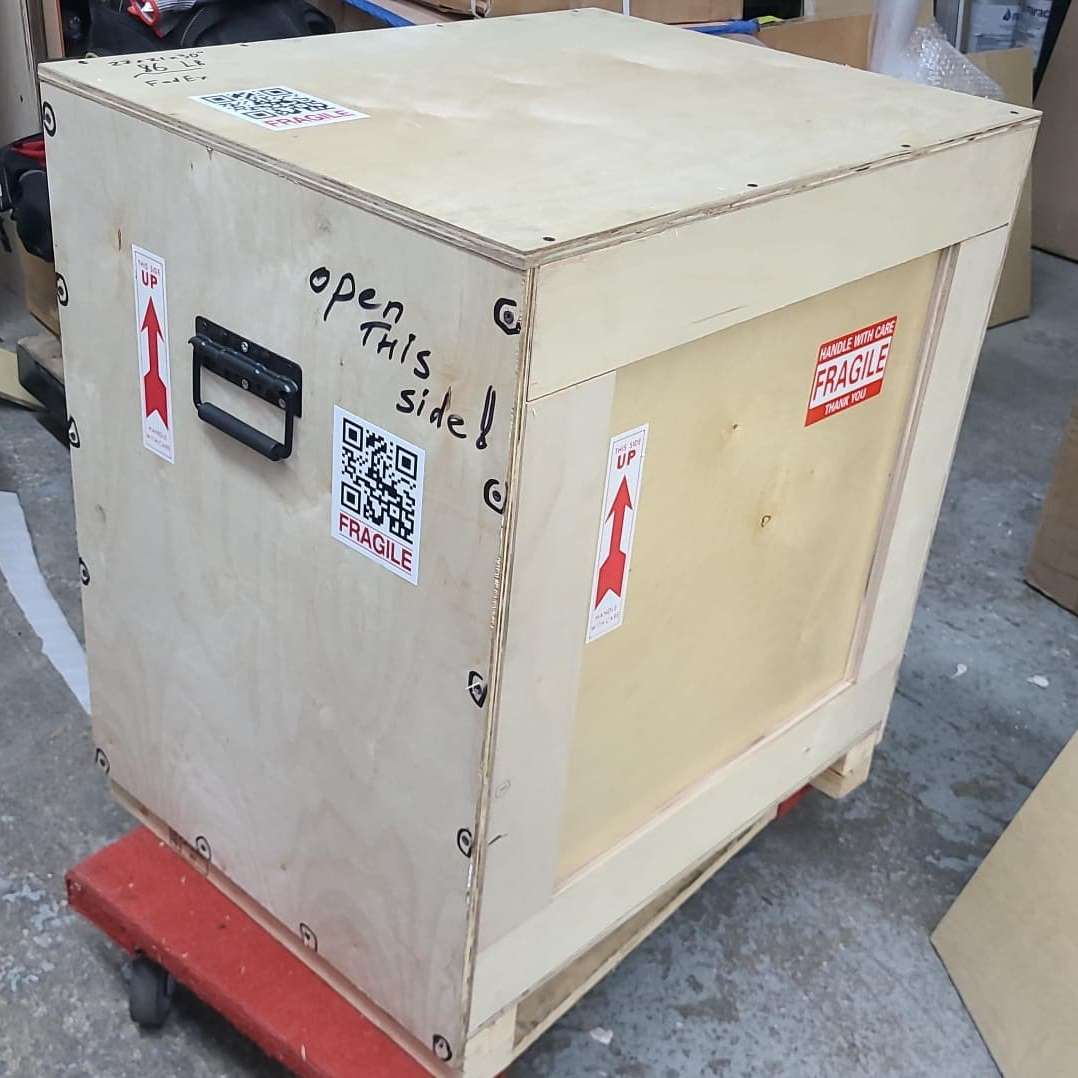
Every professional art shipper knows the challenge of minimizing risks during transit. Vibration on a highway, an accidental impact on a loading dock, or changes in temperature and humidity can threaten delicate artwork outside a stable environment. One of the most effective ways to reduce these risks is a custom shipping crate for artwork. Designed around the specific object and its transportation requirements, it provides tailored protection throughout the journey.
What Is a Custom Shipping Crate for Artwork?
A custom shipping crate for artwork is a shipping container designed for a specific artwork or group of art objects based on their dimensions, weight, materials, fragility, and handling requirements. Unlike off-the-shelf containers, custom crates are built with particular objects in mind. A crate for a large oil painting, for example, will differ significantly from one designed for a marble sculpture.
How Does It Help in Art Logistics?
A well-designed crate should address three key concerns:
- Shock and vibration: Proper cushioning and secure internal supports help reduce the forces transmitted to the artwork during handling and transportation.
- Environmental changes: Suitable insulation and moisture-control materials can slow temperature changes and help moderate humidity fluctuations when properly selected for the object and shipping conditions.
- Safe handling: Skids, lifting points, and clear markings help handlers move the crate safely and reduce the risk of accidental damage.
For particularly valuable or fragile objects, museums, lenders, and insurers may specify custom crating as a condition of transportation, a loan, or insurance coverage. Requirements vary depending on the artwork and the shipment.
Essential Design Elements
A well-designed professional crate may include the following features:
- A sturdy outer shell. Plywood panels supported by a timber frame provide structural protection. For international shipments, solid wood components may need to comply with ISPM 15 requirements. Plywood is generally exempt from this standard.
- Shock-absorbing cushioning. Appropriately selected foam and padding help prevent movement and reduce the transfer of impact forces.
- Thermal and moisture protection. Insulation and suitable moisture barriers can help moderate environmental changes during transit.
- Secure internal supports. Padded travel frames, brackets, or custom-fitted supports help prevent shifting and rotation.
- A removable, securely fastened lid. Screw-fastened lids can simplify opening and resealing while reducing the need for hammering near delicate objects.
- Handling features. Skids, clearance for lifting equipment, and clearly marked lifting points make moving heavy crates safer.
The Bottom Line
A custom shipping crate for artwork is much more than ordinary packaging. When designed around the object's specific needs and anticipated transportation conditions, it helps mitigate physical and environmental risks. Combining appropriate crating with professional packing, careful handling, and suitable transport provides a stronger foundation for protecting valuable artwork in transit.