

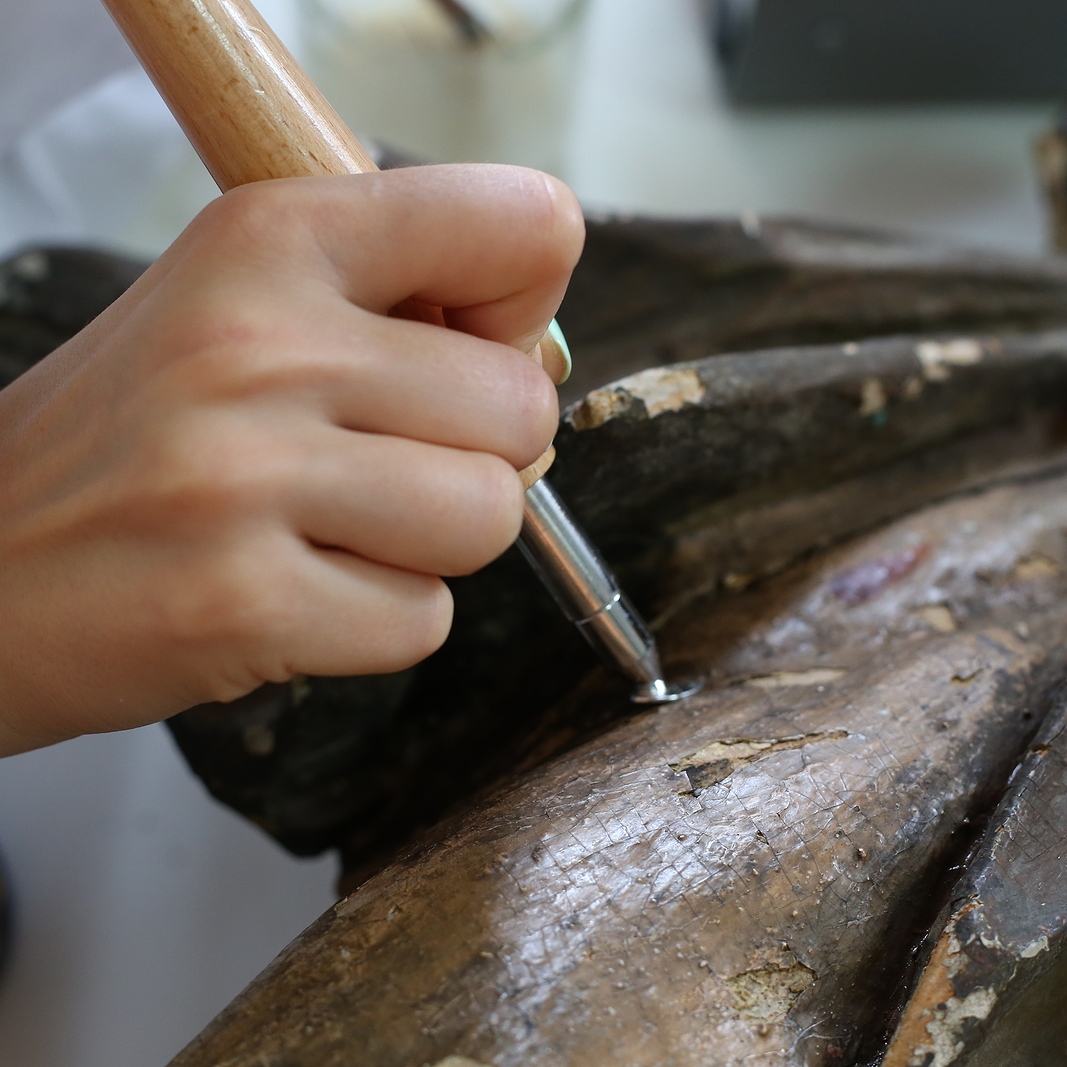
Every time an artwork leaves the wall or storage vault, it enters a potentially risky transportation period. Vibration, shock, and sudden changes in temperature and humidity can affect paintings, sculptures, and mixed-media objects that have survived decades of quiet display. This is why museums, galleries, and private collectors take conservation before transportation seriously, assessing and preparing artworks before they travel.
What Conservation Before Transportation Means
Pre-transportation conservation involves assessing an artwork's condition and, when necessary, carrying out treatments to make it sufficiently stable for travel. Its goal is not to restore the piece to its original condition but to address vulnerabilities that could worsen during handling and shipping. As a rule, the preventive conservation process involves identifying and securing loose, fragile, or vulnerable parts so that transportation stress does not turn minor structural weaknesses into more serious damage.
Conservation work typically covers three elements: condition assessment, targeted stabilization when needed, and careful documentation. Together, they give all parties involved, including lenders and receiving institutions, a clear record of the object's condition before shipment.
When Is Conservation Necessary?
An artwork's condition should be checked whenever it is prepared for relocation. Professional conservation assessment is particularly important in the following situations:
- Exhibition loans, when artwork travels to another museum, sometimes across borders and different climates.
- Sales and auctions, with art moving between owners, auction houses, and storage facilities.
- Collection relocations during museum renovations or home remodeling.
- Transportation of fragile, aged, or previously damaged objects.
- Long or complex journeys involving multiple handling and transfer stages.
How Is It Done?
The following steps may be included in pre-shipping conservation and preparation:
- Condition assessment. The conservator examines the artwork using appropriate lighting and examination methods to identify cracks, lifting paint, loose fragments, and weak frame areas.
- Documentation. Findings are recorded in a written condition report, supported by detailed photographs.
- Stabilization. Vulnerable areas are treated using methods and materials appropriate for the object. Flaking paint may require consolidation, while a torn canvas may need professional reinforcement. Loose sculpture components and unstable frames may also need attention.
- Packing. The artwork is wrapped in suitable conservation-grade packaging materials and, when necessary, placed in a custom-built crate. Cushioning, insulation, and moisture barriers are selected according to the object's materials, condition, and transportation requirements.
- Transit monitoring. For particularly valuable or sensitive pieces, data loggers can record shock, temperature, and humidity during transit. The collected data helps assess whether the shipment experienced potentially harmful conditions.
Conservation before transportation is an important investment in protecting irreplaceable property. By assessing, stabilizing when necessary, documenting, and properly packing artwork before a move, specialists can reduce transportation risks and help ensure that each piece arrives in the best possible condition.