

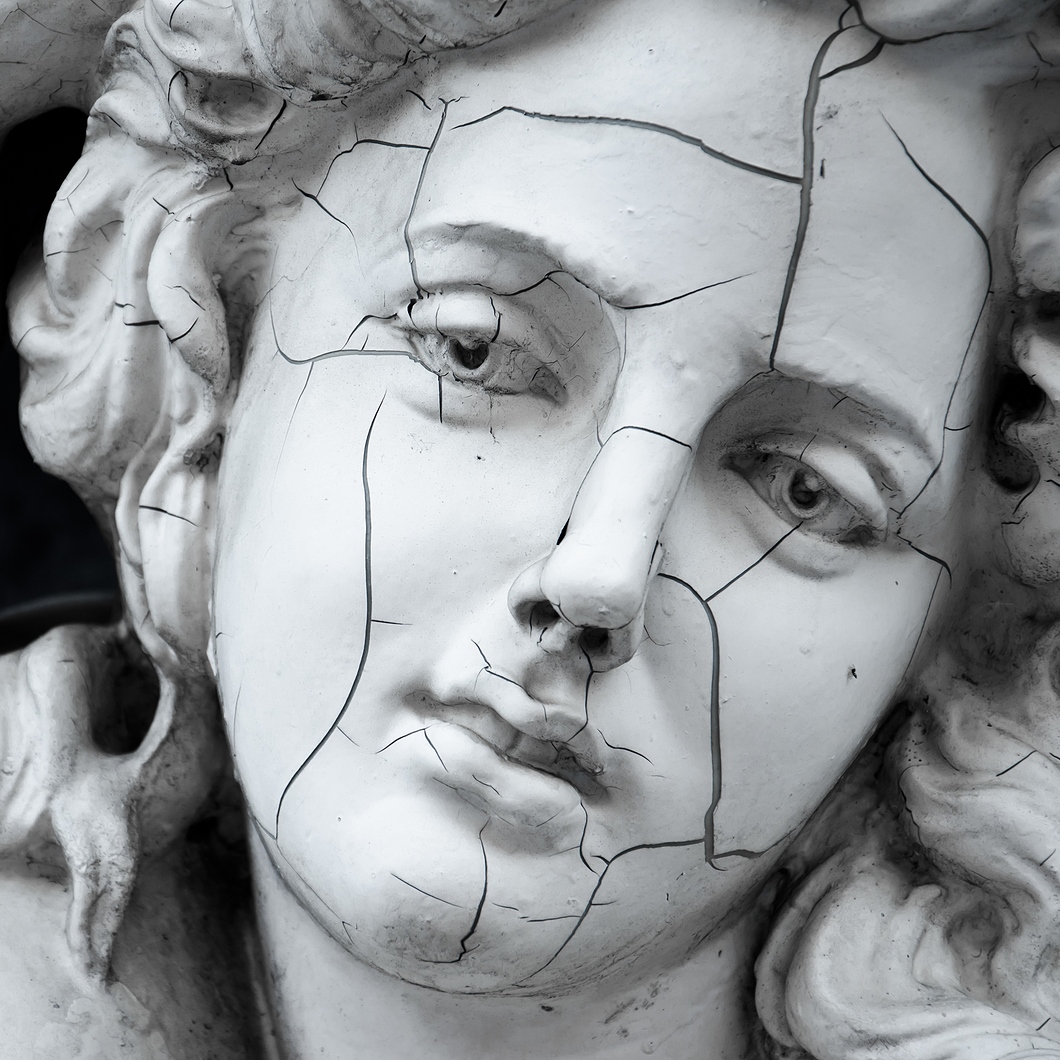
Vibration can damage sculptures by placing repeated stress on vulnerable areas. Over time, movement may contribute to cracks, weakened joints, loosened mounts, and flaking surfaces, particularly in objects with existing structural weaknesses or previous repairs. In some cases, repeated vibration can even cause unsecured objects to gradually shift or “walk” across their plinths. Understanding how vibration affects sculptures helps collection owners take timely precautions and reduce the risk of damage.
Sources of Vibration
Vibration can reach a sculpture through the floor, plinth, display case, or shipping crate. Common sources include nearby construction and demolition, road and rail traffic, building services, visitor movement, and transport and handling procedures. The level of risk depends on the vibration's intensity, frequency, duration, and the sculpture's condition and installation.
How Vibration Affects Sculptures: Types of Damage
The effects of vibration may accumulate over time, although a single strong impact can also cause damage. Potential consequences include:
- Fatigue cracking in vulnerable stone, plaster, and ceramic components.
- Loosened joints, connections, and fixings in assembled sculptures.
- Surface loss, including flaking paint, gilding, or patina.
- Gradual movement or “walking” across a base when an object is not adequately secured.
- Amplified movement when the vibration frequency approaches the sculpture's natural frequency, potentially increasing stress on delicate parts.
How Much Vibration Is Too Much?
To understand how vibration affects sculptures, it is important to distinguish between building vibration guidelines and object-specific conservation limits. The following reference values are based on DIN 4150-3 guidance for vibration effects on different types of buildings. They are measured as peak particle velocity (PPV), in mm/s, and should not be treated as universal safety limits for sculptures.

These values are structural reference guidelines, not guarantees that an artwork will remain undamaged. Conservators and vibration specialists may recommend much lower, object-specific alert thresholds depending on the sculpture's material, condition, mounting, and exposure.
Protective Tips
Experts recommend several precautions to reduce vibration-related risks:
- Monitor and record vibration near fragile or valuable works.
- Assess vibration-isolation options, such as damping pads or isolation mounts, with a qualified conservator or specialist.
- Ensure sculptures have stable, appropriately designed bases and secure mounting systems.
- Use custom crates with cushioning designed to protect the specific sculpture during transportation.
FAQs
Can slight, barely noticeable vibration still damage a sculpture?
Yes. Repeated low-level vibration may contribute to the development of existing cracks, loosened joints, or weakened repairs, particularly when exposure continues over an extended period.
Which materials are most vulnerable to vibration?
Fragile or brittle materials, including plaster, terracotta, and glass, can be particularly vulnerable. However, the risk also depends on an object's shape, thickness, condition, construction, and previous repairs. Even bronze sculptures may have vulnerable thin sections or assembled components.
Is construction next to a museum safe for the collection?
It can be managed safely, but this requires a site-specific vibration assessment and continuous or appropriately scheduled monitoring. Alert thresholds and work-stoppage procedures should be established in advance. Particularly fragile objects may need to be relocated or isolated during high-vibration activities.