

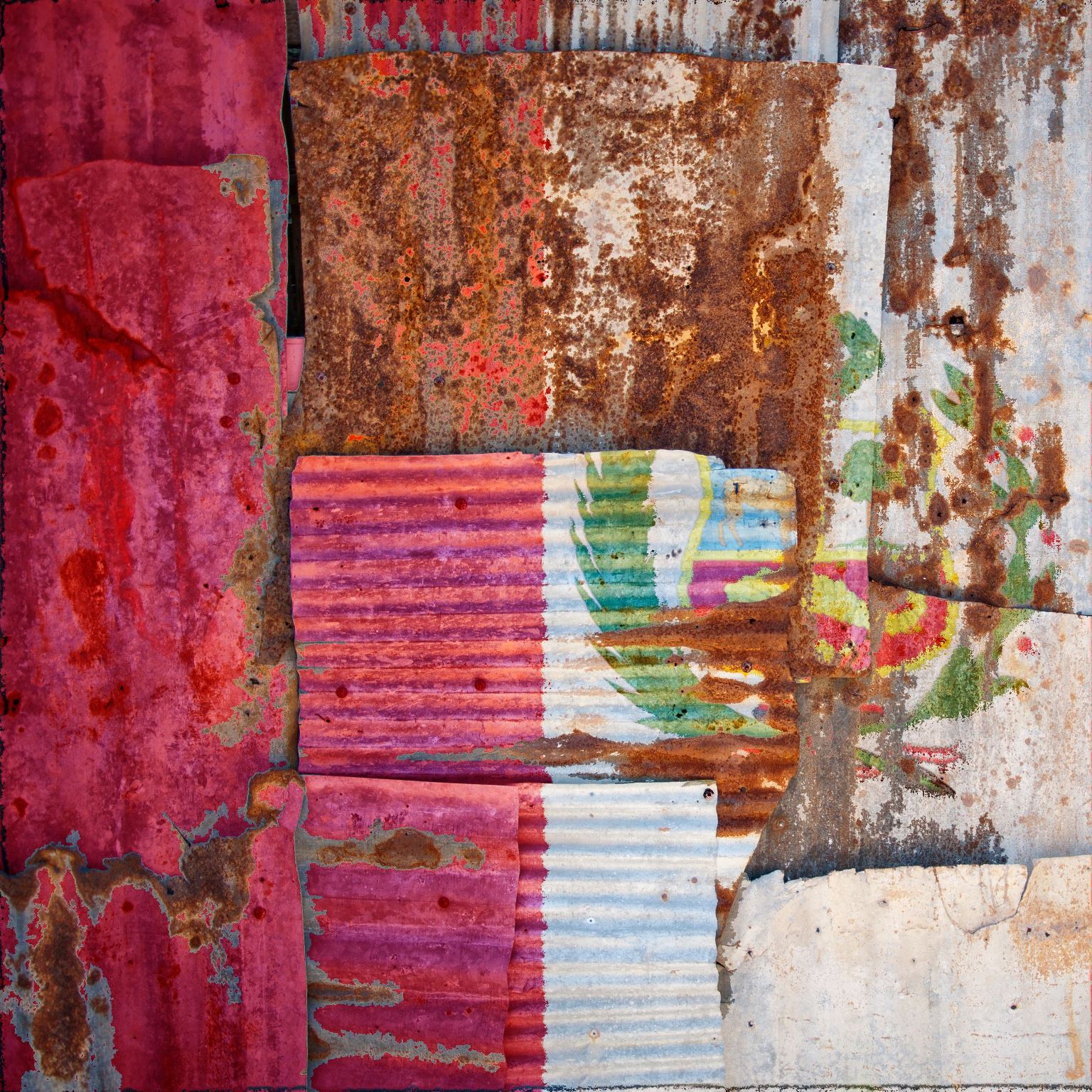
Mixed media art is one of the most creative and visually engaging forms of artistic expression. Artists often combine paint, paper, fabric, photography, resin, found objects, metal, wood, and other materials within a single piece. While this diversity creates unique visual effects, it also introduces significant transportation challenges. Understanding these risks is essential for anyone wondering how to transport mixed media art safely.
Why Mixed Media Art Requires Special Care
Unlike traditional paintings or sculptures, mixed media artworks contain components with different physical properties. Each material reacts differently to temperature and humidity changes, creating stress within the artwork. Over time—or even during a single trip—these differences can lead to warping, cracking, separation, or surface damage.
Another major concern is surface fragility. Mixed media pieces often include delicate elements such as collaged paper, resin layers, wax finishes, textiles, or raised decorative objects. Standard packing materials can easily scratch, compress, or distort these surfaces if they are applied incorrectly. Even seemingly harmless materials may leave impressions or cause abrasion when placed directly against vulnerable areas.
Three-dimensional elements present additional challenges. Protruding components are especially susceptible to impact damage and can break under pressure during handling or transportation. Because of their irregular shapes, these artworks rarely fit safely into standard packing solutions.
Adhesive stability is another factor to consider. Many mixed media works rely on glues, resins, or bonding compounds that may weaken when exposed to extreme temperatures. Components that appear secure before shipment can loosen or detach if environmental conditions fluctuate during transit.
How to Transport Mixed Media Art Safely
Learning how to transport mixed media art begins with a thorough assessment of the artwork and its unique vulnerabilities. Professional art handlers typically follow several essential steps.
Conduct a Detailed Condition Assessment
Before packing begins, the artwork should be examined carefully. Identifying fragile areas, loose elements, and sensitive materials helps determine the safest packing strategy.
Protect Each Material Appropriately
Different materials require different forms of protection. Acid-free glassine paper, archival foam, and museum-grade wrapping materials are commonly used to safeguard delicate surfaces without causing chemical or physical damage.
Use Shadowboxing for Raised Elements
Artworks with relief features or projecting objects benefit from shadowboxing techniques. By creating space between the artwork and its protective enclosure, art handlers prevent direct pressure on fragile components.
Select the Right Shipping Container
Smaller works may travel safely in reinforced, double-walled cartons, while larger or more valuable pieces often require custom-built crates designed specifically for their dimensions and structure.
Maintain Climate Stability
Temperature and humidity fluctuations can be particularly damaging to mixed media art. Climate-controlled packing materials and transportation vehicles help minimize these risks throughout the journey.
Because every mixed media artwork is unique, there is no universal shipping solution. Working with experienced art logistics professionals remains the most reliable way to ensure that valuable mixed media pieces arrive safely and in their original condition.