

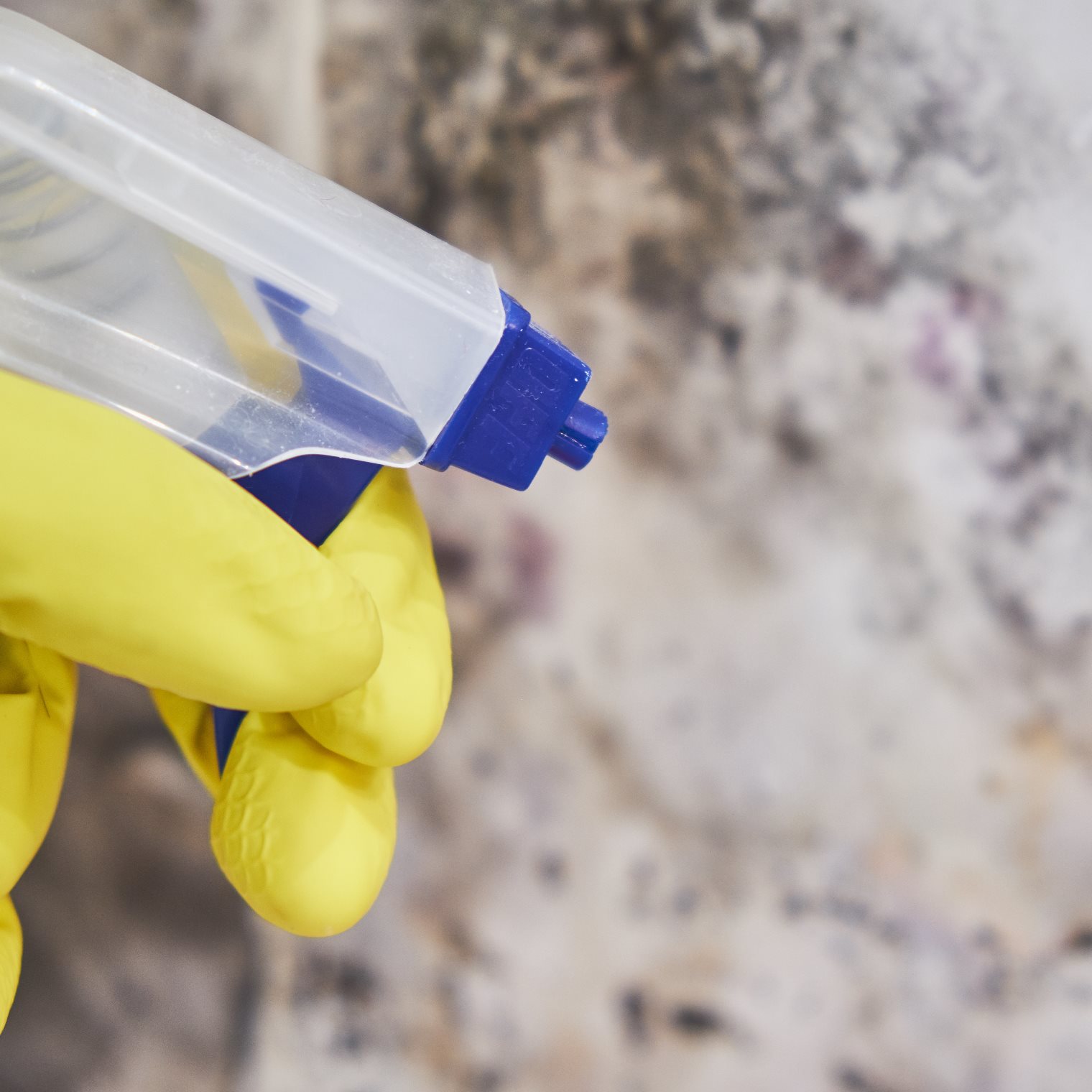
Discovering mold damage in artwork storage is every art owner’s nightmare. Whether it’s a faint musty smell or visible spots on the canvas, mold can seriously affect an artwork’s physical integrity and value. Still, before assuming the worst, it’s important to act quickly and take the right recovery measures. In some cases, a timely response can help prevent irreversible damage and improve the chances of successful restoration.
Stop the Spread of Mold Damage in Artwork Storage
Once you discover mold in art storage, your first priority should be to prevent it from spreading. Isolate the affected artwork from the rest of the collection and move it to a dry, well-ventilated area, avoiding direct contact with the moldy surface. Mold spores can trigger allergic reactions and respiratory problems, and they can easily spread to nearby artworks or other areas of your home or storage facility.
When Is DIY Cleaning Appropriate?
The first temptation is often to wipe the mold away with water or household cleaning products. However, moisture encourages further mold growth, while common cleaners can permanently damage delicate pigments, varnishes, paper, or textile fibers. For this reason, DIY cleaning is appropriate only when dealing with a small amount of surface mold on sturdy, varnished oil paintings. In such cases, the mold may be carefully removed using gentle dry brushing with a soft natural-bristle brush.
Anything valuable, irreplaceable, or showing moderate to severe mold growth should never be treated with DIY methods. Mold often penetrates beneath the visible surface, and improper handling can smear pigments, weaken the support, or tear fragile paper-based artworks. In addition, incorrect cleaning techniques may push mold spores deeper into the material, allowing the contamination to continue spreading.
When Should You Call a Professional Conservator?
If the situation goes beyond minor surface cleaning, it is time to consult a professional conservator. Specialists are equipped to address mold damage in artwork storage using HEPA-filtered vacuums, controlled humidity environments, and conservation-grade treatments designed to remove mold without compromising the artwork’s structure.
Consider seeking professional help if:
- Mold covers a significant portion of the artwork.
- The artwork has substantial financial or sentimental value.
- The object is made of fragile materials, such as paper or textiles.
- You notice structural issues, including flaking paint, warping, or delamination.
Many conservators offer an initial assessment before beginning treatment, helping owners determine whether professional conservation is necessary or if limited intervention may be sufficient.
Set Realistic Expectations
Keep in mind that not all mold damage in storage can be fully reversed, even with professional conservation. Some mold species leave permanent staining, weaken materials, or cause irreversible pigment loss. While experienced conservators can stop further deterioration and often improve an artwork’s appearance, restoring it completely to its original condition is not always possible.