

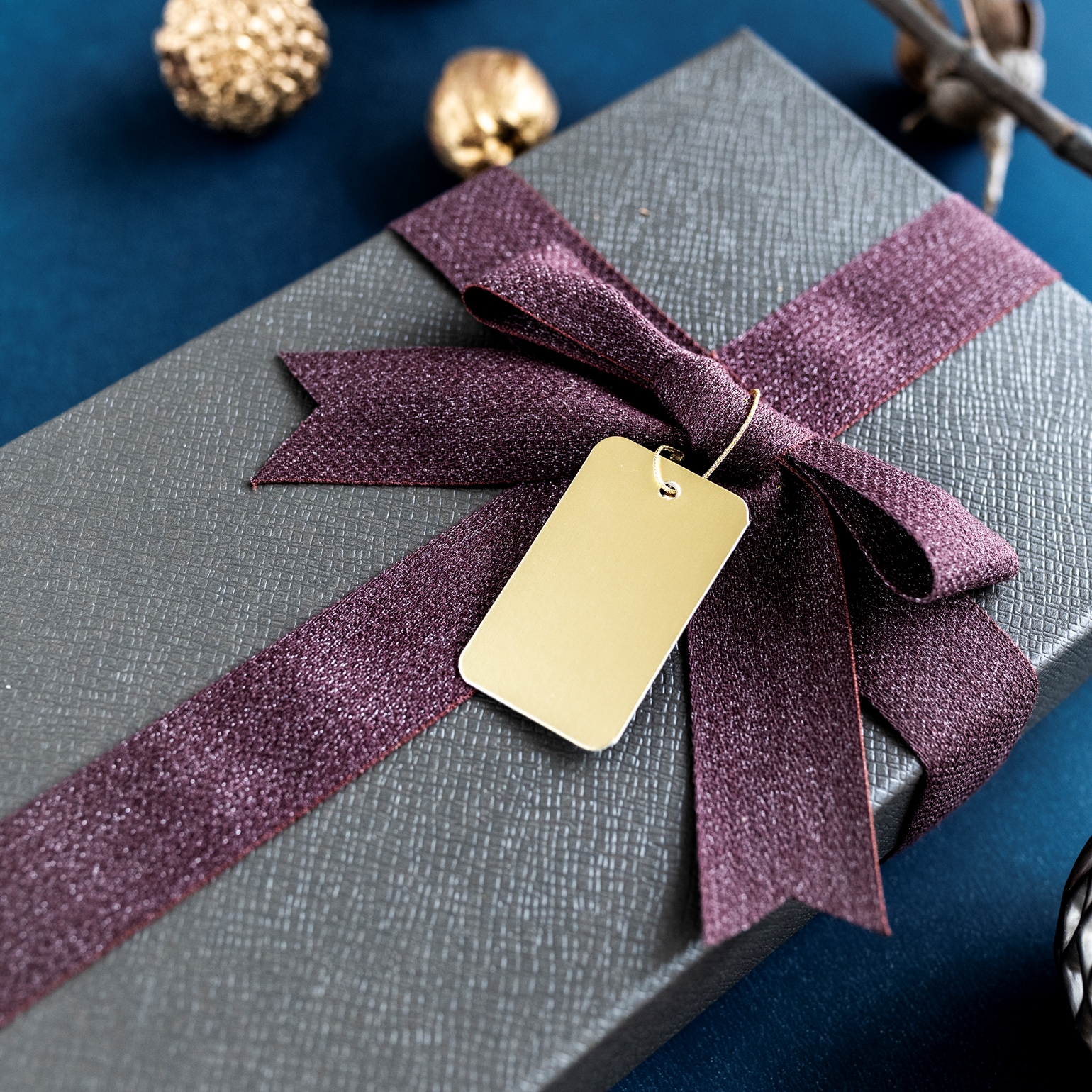
When a collector receives a piece of art, the first thing they touch is not the artwork. It is the box. It is the wrapping. It is the tissue paper, the ribbon, and whatever is written on the outside.
For most of history, packaging was just protection. Wrap it well. Keep it safe. Get it there in one piece. But something has changed. More artists today are treating packaging as part of the experience. They are thinking about what the collector feels before they even see the art.
This shift is small but meaningful. And it is changing how fine art is shipped, received, and remembered.
The Moment Before the Artwork
Think about the last time you opened something that felt special. Maybe it was a gift. Maybe it was something you waited a long time for. The way it was wrapped told you something before you even saw what was inside.
That feeling matters. It sets the tone. It tells the collector how much the artist cares.
A plain brown box says this is a delivery. A carefully wrapped piece with custom paper and a handwritten note says this was made for you. The difference is not expensive. But it is powerful.
Artists are starting to understand this. The unboxing moment is part of the story they are telling.
Why Packaging Has Become Part of the Art
Art buyers today share their experiences online. They post photos. They take videos. They talk about what it felt like to receive a new piece.
This means the packaging is often the first image a collector shares. Before the painting is on the wall. Before the sculpture is on the shelf. The box is the first thing that gets photographed.
Smart artists know this. They are designing packaging that looks good in photos. They are thinking about color, texture, and detail. They want the unboxing to feel like an event.
This is not about showing off. It is about respect. It tells the buyer: you matter, and so does this piece.
What Artists Are Actually Doing Differently
There are many simple ways artists are making packaging feel more personal and considered.
Using Materials That Feel Intentional
The choice of materials sends a message. Rough recycled paper feels earthy and honest. Smooth matte tissue in a muted color feels refined. Heavy kraft paper with a wax seal feels old-world and serious.
None of these choices has to be expensive. But each one communicates something about the artist and the work inside.
Artists are also thinking about sustainability. Many collectors care about how things are packaged. Using recyclable or biodegradable materials shows awareness. It adds another layer of thoughtfulness to the experience.
Adding a Personal Touch
A handwritten note is one of the most powerful things an artist can include. It does not need to be long. Even a few lines about the piece or what inspired it can mean a great deal.
Some artists include a small card with the title, medium, and year. Others write about the collector by name. These small gestures turn a delivery into a connection.
Stamps, wax seals, custom stickers, and branded tape are also popular. They make the outside of the package feel finished. They show the artist cared about every detail, not just what is inside.
Protecting the Work Beautifully
Good packaging protects the artwork. That is always the first job. But protection and beauty do not have to be separate things.
Archival tissue paper is gentle on artwork and looks lovely. Foam corners can be wrapped in fabric before they touch the frame. Even the inner structure of a crate can be lined with materials that feel considered when the collector opens it.
The goal is for the collector to feel that every layer was placed with care. That nothing was rushed. That the art was treated well every step of the way.
How to Design Custom Wrapping Paper
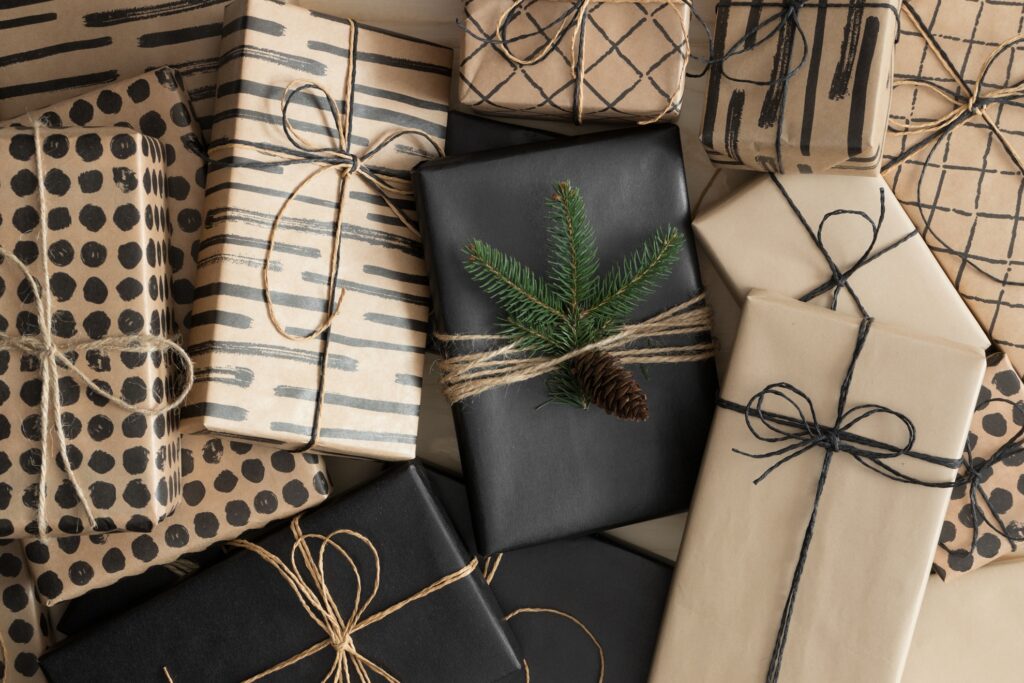
One of the most exciting things artists are doing is designing their own wrapping paper. Instead of using plain paper or generic patterns, they are creating prints that reflect their style and their work.
Magic Hour AI image generator makes this easy. You type a description of what you want, and the tool creates an image based on your words. You could describe a pattern that echoes the colors in your paintings. You could ask for something abstract, geometric, or botanical.
The result is a custom visual you can take to a print shop or an online printing service. From there, you can have it printed on large rolls or sheets of wrapping paper.
This means every package you send carries a piece of your identity. The collector is not just receiving the artwork. They are receiving something that looks and feels like it came from you, all the way from the outside in.
It does not require any design experience. You do not need to know how to use complex software. You just need to describe what you have in mind, and the tool does the rest.
Small Steps That Make a Big Difference
You do not have to change everything at once. Even one small upgrade to your packaging can make a noticeable difference.
Start with a handwritten note. Or switch to nicer tissue paper. Or try designing a simple custom stamp with your name or a symbol from your work.
Each small step adds up. Over time, your packaging becomes part of your identity as an artist. Collectors begin to recognize it. They look forward to it. They save the wrapping because it feels like it belongs with the piece.
That is the goal. Packaging that feels like it was made by the same person who made the art.
Conclusion
The unboxing moment is no longer something artists can afford to ignore. It is part of the experience. It is part of the story. It is the first thing a collector touches, and it is often the first thing they share.
Artists who take packaging seriously are building stronger connections with their buyers. They are creating moments that last beyond the first look at the artwork itself.
Whether you start with custom wrapping paper, a handwritten card, or beautiful materials, the message is the same. You care. And that makes all the difference.