

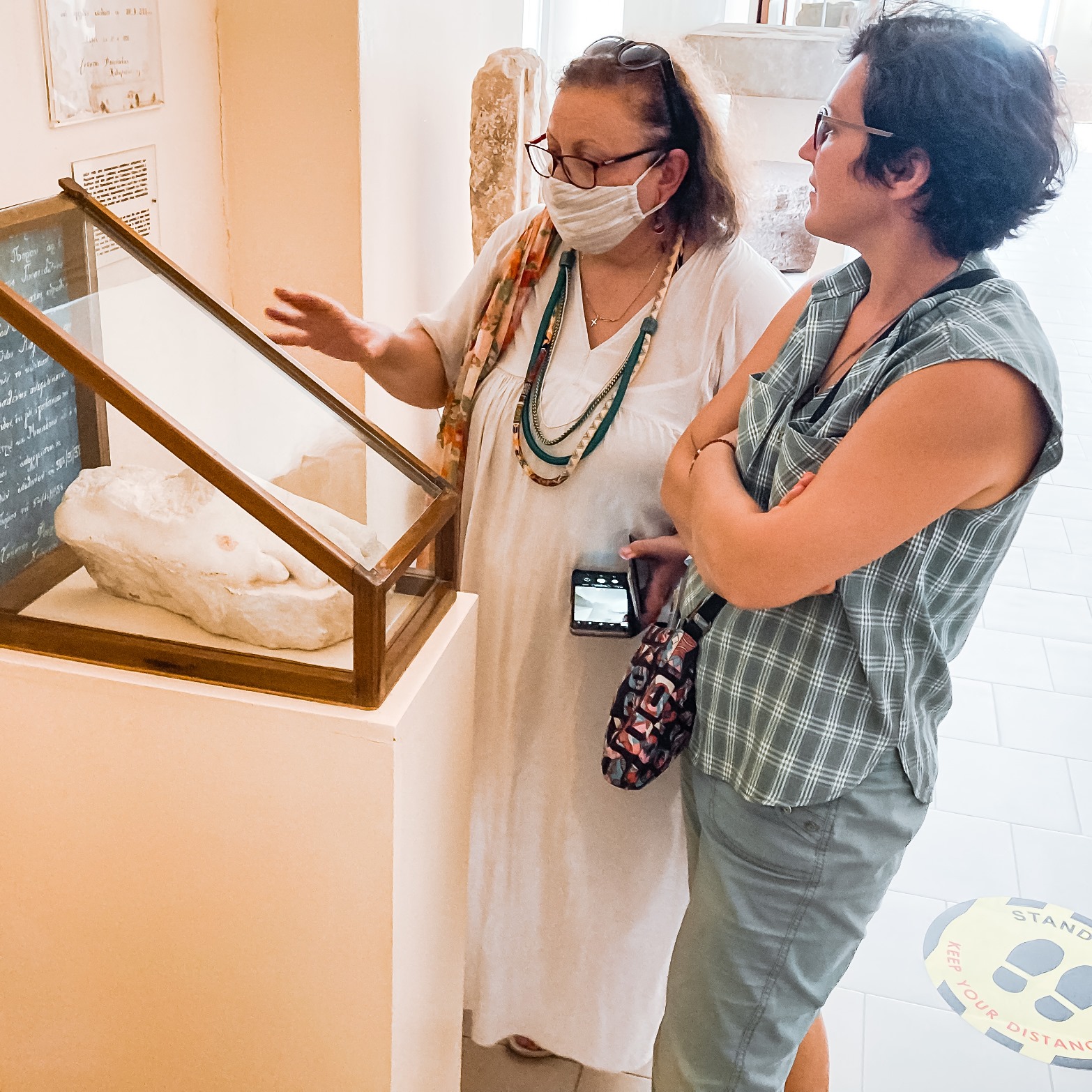
A glass display case may seem like an ideal place for a fragile art object. It keeps dust away, limits physical contact, and reduces exposure to environmental changes. However, materials used to build the case may release harmful compounds. As part of environmental monitoring for collections, museums must consider temperature, humidity, and the chemical quality of the air.
Off-Gassing Risks in Enclosed Cases
Many materials release volatile compounds as they age or cure, a process known as off-gassing. Some woods, including oak, can emit acetic acid. Certain plywoods and medium-density fiberboards (MDF) may release formaldehyde or other compounds, depending on their composition and adhesives. Paints, varnishes, sealants, adhesives, fabrics, and rubber products can also emit potentially harmful substances. Wool felt and some dyed textiles may release sulfur-containing compounds. In enclosed spaces, pollutants may accumulate if ventilation or pollutant removal is insufficient.
What the Damage Can Look Like
The effects depend on the pollutant and the object’s materials. Organic acids can corrode sensitive metals, while sulfur compounds can accelerate the tarnishing of silver and affect copper alloys. Paper, photographs, and textiles may also deteriorate after prolonged exposure.
Another example is Byne’s disease, which affects shells and other objects containing calcium carbonate. It develops when acidic vapors react with these materials, leaving white, powdery deposits on their surfaces. This highlights why careful material selection is an important part of environmental monitoring for collections.
Environmental Monitoring for Collections: Testing and Prevention
One established method for assessing display and storage materials is the Oddy test, developed by the British Museum scientist William Andrew Oddy in the early 1970s. Small samples of the material are placed in sealed containers with coupons of silver, copper, and lead, plus water to create high humidity. The containers are heated to approximately 140°F (60°C) for 28 days. Corrosion on the metal samples indicates that the material may release harmful substances and may be unsuitable for use near collections.
Material testing is only one part of prevention. Depending on the case and the objects displayed, conservators may also use air-sampling methods to identify pollutants and assess their concentration. Passive samplers can collect selected compounds for later laboratory analysis.
If a risk is identified, museums can replace unsuitable materials, use tested low-emission alternatives, improve air exchange, or introduce appropriate sorbents to capture pollutants. The right solution depends on the objects, the case design, and the pollutants detected.