

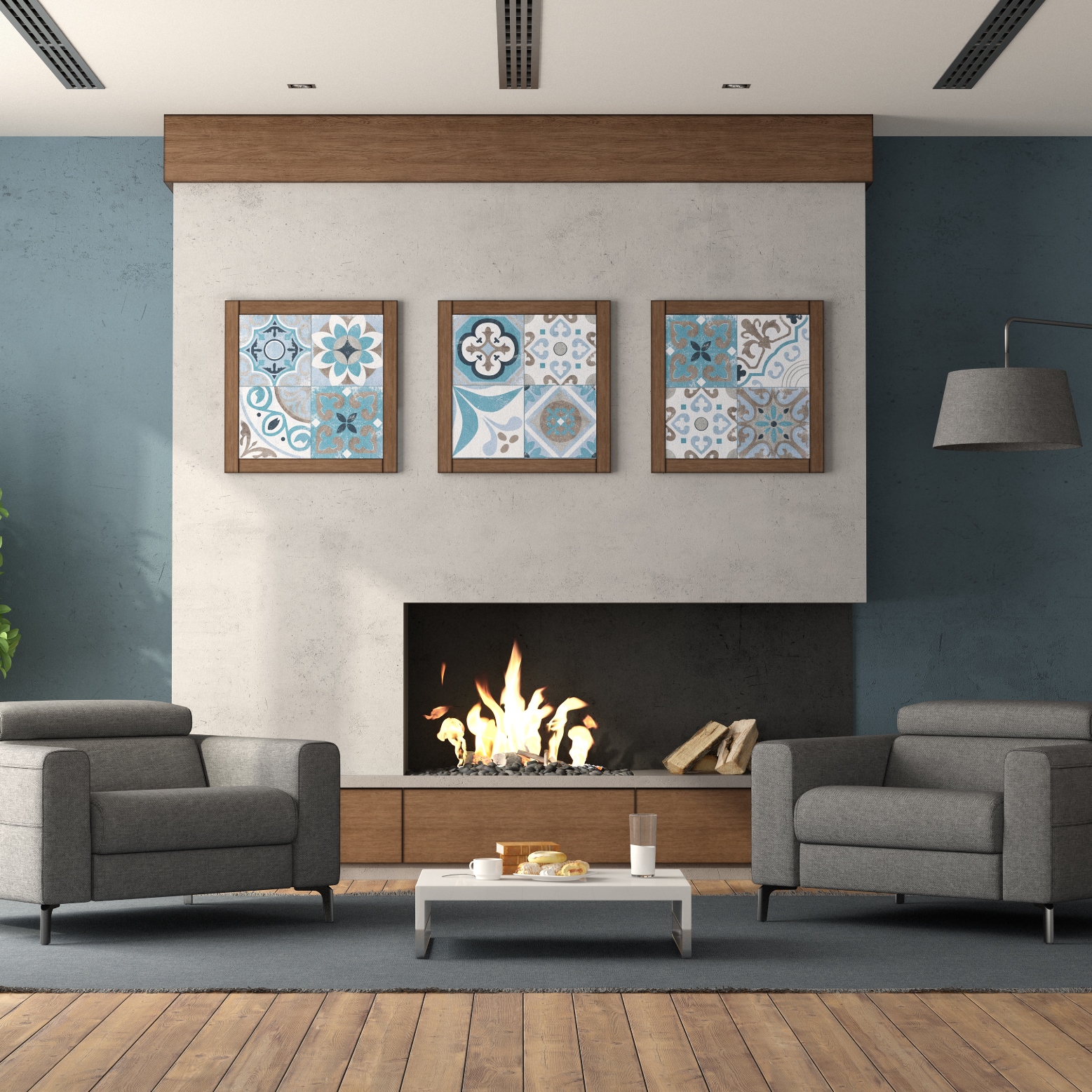
A painting can arrive in a carefully packed crate and still face risks after installation. During winter, those risks may include warm air from a heating vent, a working fireplace, or changing humidity near a cold exterior wall.
Protecting a home collection means considering its surroundings as carefully as its transportation. A few practical checks can help collectors prepare display spaces, recognize problems, and make informed decisions throughout the heating season.
Understand the collection’s needs
Oil paintings, works on paper, and wooden sculptures respond differently to environmental changes. Materials, previous repairs, and existing damage all influence suitable display conditions.
Review instructions from the artist, gallery, or conservator before changing the room environment. For a valuable or fragile object, request advice specific to its condition rather than relying on a universal temperature or humidity target.
Photograph each work before winter, including any existing cracks, distortion, or frame damage. These records provide a useful reference if something changes.
Check display locations during heating cycles
A wall that seemed suitable in summer may behave differently once the heating system runs regularly. Inspect each display area while the heat is operating.
Look for:
- Warm air blowing directly toward the artwork.
- Nearby radiators, baseboard heaters, or fireplaces.
- Direct sunlight reaching the object.
- Condensation or dampness around windows and walls.
- Humidifier mist drifting toward frames or shelves.
If an artwork sits above a heating outlet, discuss a better location with an art installer. Avoid blocking the outlet to protect the painting, since that can interfere with heating performance.
Consider everyday activity, too. An entrance hall exposed to frequent drafts may be less suitable than a quieter room with more consistent conditions.
Monitor temperature and humidity together
When cold outdoor air enters a home and warms up, its relative humidity falls unless moisture is added. A comfortable room temperature therefore does not establish that humidity is appropriate for a collection.
Use a digital temperature and humidity monitor near the display area. A data logger can reveal changes that occur overnight or while the house is empty.
Keep the device away from direct sunlight, heating airflow, and humidifier mist when measuring general room conditions. Do not attach it to the artwork.
Record readings alongside observations about heating cycles, open windows, and fireplace use. Share concerning patterns with a conservator before making substantial adjustments.
Address heating problems promptly
Repeated furnace shutdowns, difficulty maintaining the thermostat setting, or unexplained changes in operation deserve professional assessment. Collectors should report symptoms rather than attempt to diagnose internal components.
For homeowners in southeastern Pennsylvania, Home Rangers provides furnace troubleshooting and repair. Restoring dependable heating can support more consistent room temperatures, although furnace repair alone does not control humidity or establish suitable conservation conditions.
Before service begins, tell the technician where artwork is displayed. Keep equipment access clear and arrange professional handling if fragile objects must be moved away from the work area.
Avoid rushed humidity adjustments
If monitoring shows dry conditions, resist immediately running a humidifier at its highest setting. Cold windows and poorly insulated surfaces may develop condensation even when the room feels dry.
Discuss suitable conditions with a conservator and equipment options with an HVAC professional. If humidification is appropriate, follow maintenance instructions, keep mist away from the collection, and continue monitoring after adjustments.
Watch for condensation and leaks. The aim is a manageable environment for both the artwork and the building.
Prepare for winter art deliveries
Confirm that the receiving room is ready before scheduling delivery. Complete heating repairs and dusty work before installation whenever possible.
Tell the shipper about the intended display location and any condition concerns. Request unpacking instructions suited to the object, its packaging, and the journey. Different works may require different procedures after arrival.
Keep the installation area clear, with no need to rest artwork beside a heater or in a draft. After installation, continue checking conditions and comparing the object with earlier photographs.
If you notice lifting paint, new distortion, or moisture, document the change and contact a conservator. Thoughtful placement, dependable heating, and regular observation make winter collection care more practical and consistent without unnecessary handling or sudden changes in conditions.