

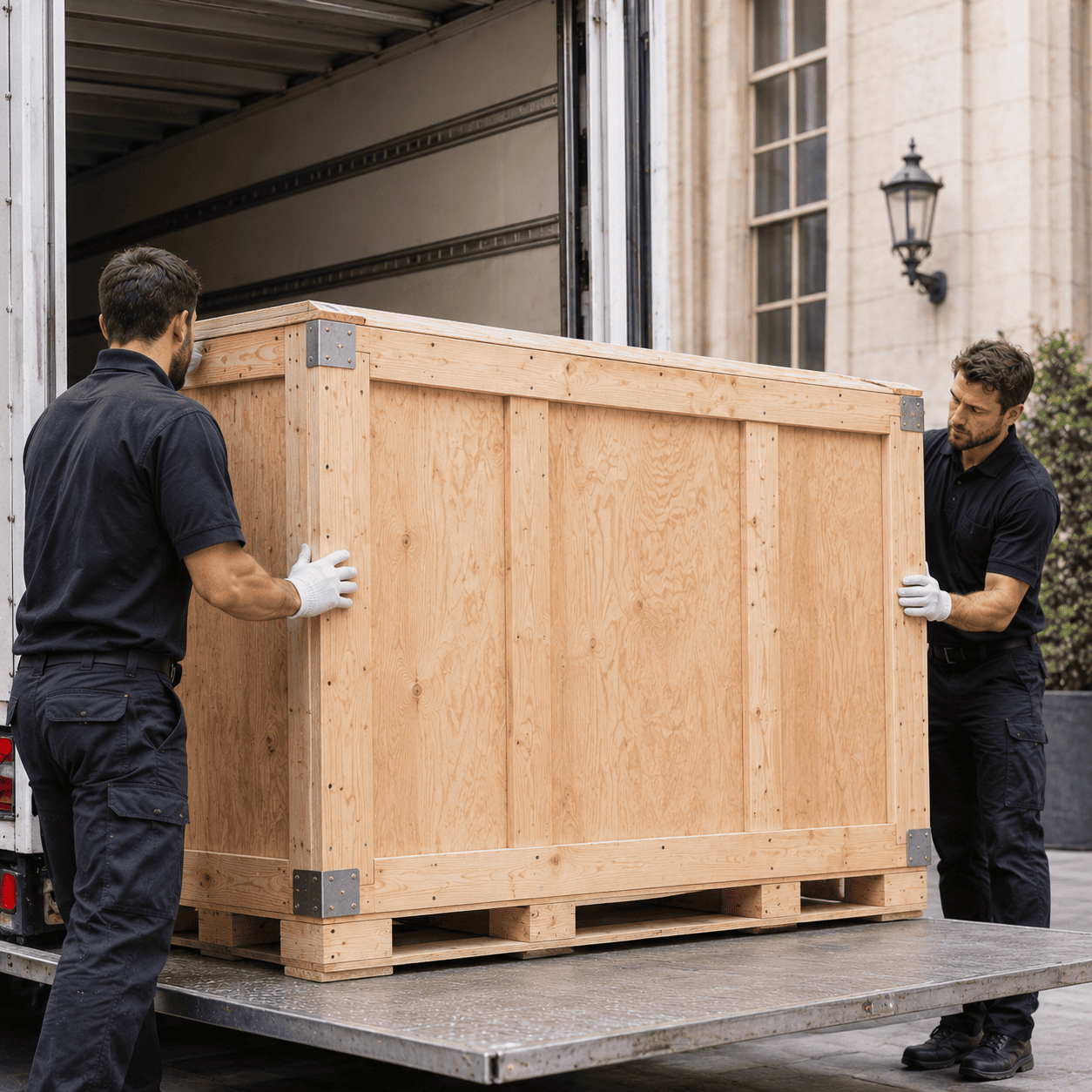
When a painting worth millions of dollars leaves a museum or secure storage facility, artwork security during transport becomes a critical concern. Physical protection is essential, but the way information about a shipment is handled also matters. Details such as departure times, routes, vehicle information, and planned stops should not be shared more widely than necessary. For high-value works, fine art logistics teams combine careful planning, discreet procedures, and appropriate transport equipment to reduce exposure to theft and risk.
Need-to-Know Logistics
Limiting access to shipment details is a basic principle of high-value art logistics. Information about the itinerary, vehicle, and schedule should be shared only with people who need it to perform their roles. This may include the registrar, security personnel, logistics coordinator, drivers, and authorized handlers. Staff involved in individual stages of the move should receive the instructions relevant to their responsibilities. Communication is essential, but unnecessary circulation of sensitive details, including by email, should be avoided.
The Transport Vehicle: A Key Part of Artwork Security During Transport
A vehicle used to carry valuable art should be selected for the shipment's specific security and conservation requirements. Discreet or unmarked vehicles may be appropriate in some circumstances, although they are not a universal requirement. More important are suitable physical safeguards and transport conditions. These may include air-ride suspension, a climate-controlled cargo area, secure locking systems, alarmed doors, GPS tracking, and monitoring. Many specialized art shuttles are designed to combine these features with equipment for safe loading and handling.
Careful Route and Stop Planning
A well-planned route helps reduce avoidable exposure during transit. Logistics teams should consider road conditions, journey length, delivery access, and suitable places for necessary breaks. Stops and overnight arrangements should be assessed in advance, particularly for high-value shipments. Route changes may be considered when necessary. The goal is to keep the movement controlled, practical, and proportionate to the value and risk profile of the objects.
People and Procedures
Even strong physical safeguards depend on the people responsible for carrying them out. Fine art logistics providers should use experienced personnel, conduct background checks, and establish clear procedures for handling, communication, and incident reporting. Confidentiality expectations should be explained to everyone involved, with access to shipment information limited by role.
Artwork security during transport depends on several measures working together. Confidential planning, suitable vehicles, carefully selected stops, and trained staff can reduce risks, although no single precaution can guarantee complete protection.