

Documenting Artwork for Insurance Claims: Choose a System
No collector expects a disaster when sending or receiving an art object. However, accidents happen, and when artwork is damaged, the speed and success of an insurance claim may depend on the quality of the available documentation. Receipts in a drawer and photos scattered across a phone’s gallery are not enough. This guide will help you master the art of documenting artwork for insurance claims so that you always have a claim-ready inventory.
If your collection includes a few dozen works, a well-structured spreadsheet with linked image folders may be sufficient. Larger or more active collections benefit from dedicated collection management software, which keeps images, documents, and valuations together and allows you to generate reports when needed. Whatever system you choose, use it consistently so that all items are documented in the same format.
What to Record for Every Artwork
Give each piece in your collection a unique inventory number. Build a record around the following details:
- Identify the artist, title, date, medium, and dimensions, both with and without the frame.
- Record distinguishing marks, such as edition numbers, signature locations, inscriptions, and stamps.
- Document acquisition details, including the seller, purchase date, price, and a scanned invoice.
- Keep valuation records current, including the appraisal date and valuation basis.
- Organize provenance documents in one place, including certificates of authenticity, previous ownership records, and exhibition history.
- Keep the artwork's current location updated, including storage facilities or institutions holding it.
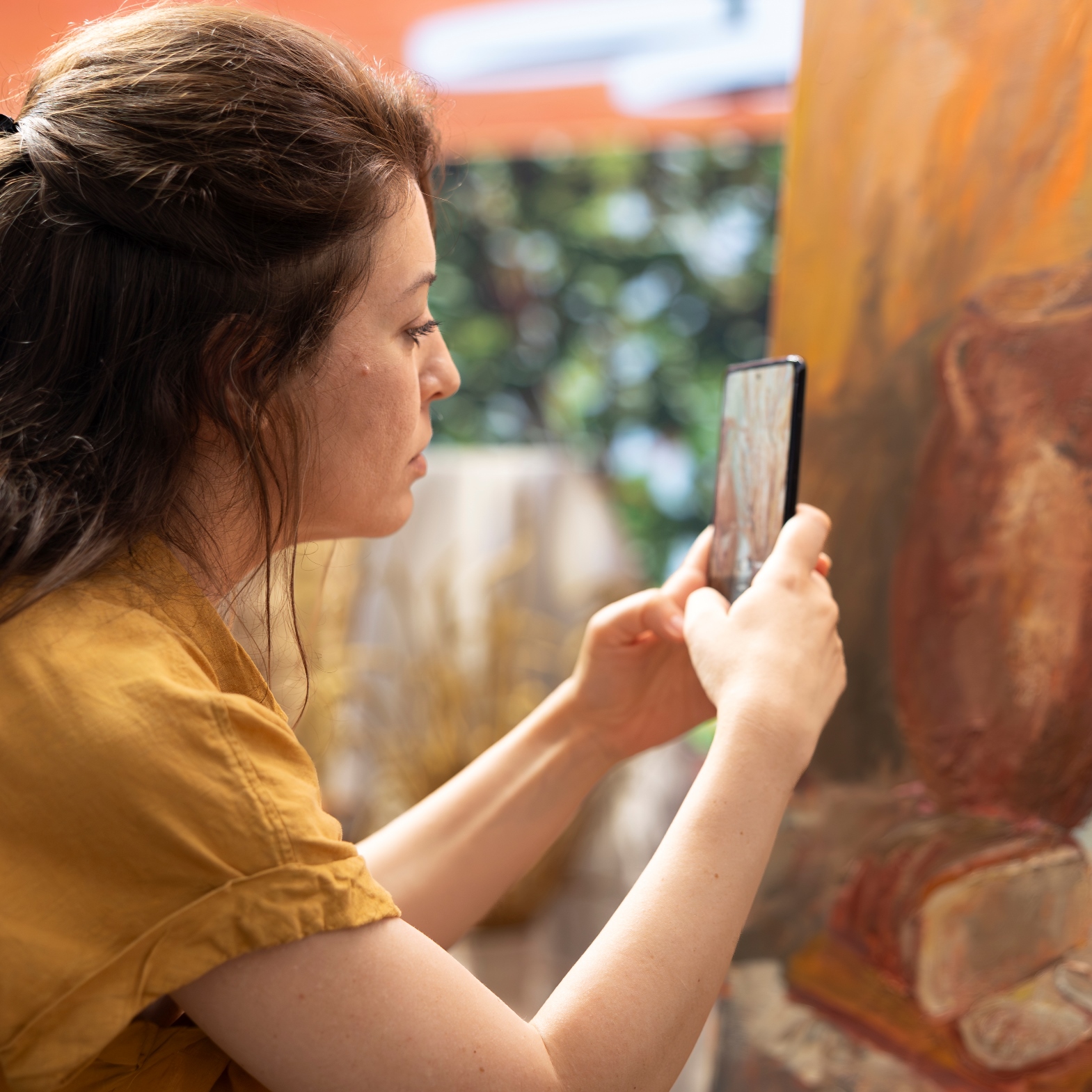
- Document its condition with dated, high-resolution photographs of the front, back, frame, and close-up details.
The last point is particularly important. Evidence of an artwork's condition before an incident provides a baseline for damage assessment. Without it, establishing the extent of new damage and distinguishing it from pre-existing issues can become more difficult.
Safe Documentation Storage
An inventory that burns or disappears along with the collection will be of little help when filing a claim. Keep records in secure digital and offline storage, maintain regular backups, and store at least one copy separately from the artwork. You may also share relevant documentation with your insurance broker.
Timely Updates
Documenting artwork for insurance claims is an ongoing process. Outdated inventory can complicate insurance claims. Update records whenever a work is bought, sold, restored, or moved. Review valuations regularly, particularly for high-value pieces and artists whose markets change quickly. An appraisal every three to five years may be a useful general guideline, but follow your insurer's requirements and seek an earlier update when circumstances warrant it.
Every shipment should also include appropriate condition checks and post-delivery reports. Add these records to your inventory to maintain a reliable history of each artwork's condition and location.