

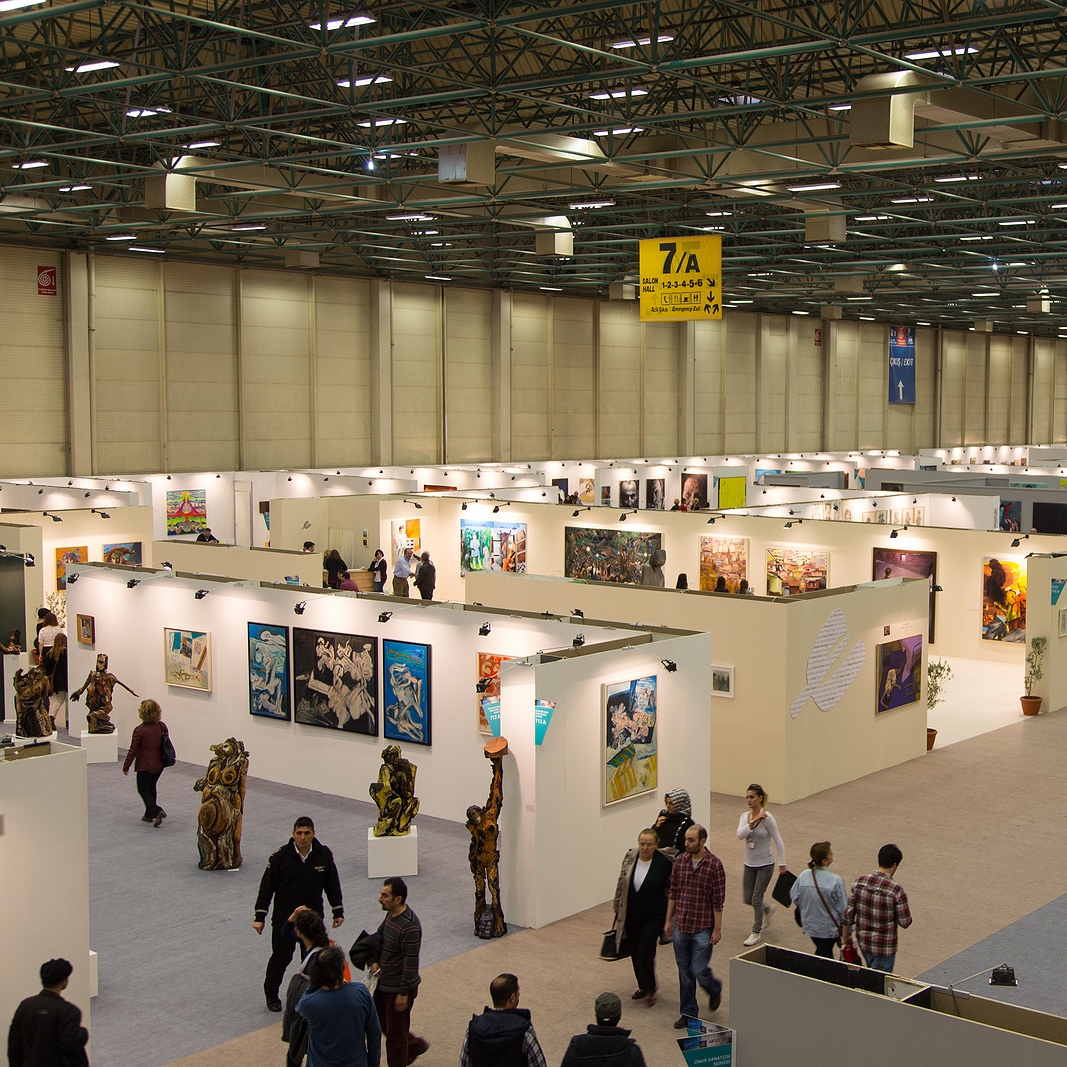
Two important art events land on the same dates. One requires a compact display for conversations with buyers; the other calls for a larger space with product demonstrations and artwork. Both need to represent the same brand, but neither can depend on equipment that is already installed in another city.
Modular trade show booths use interchangeable components that can be rearranged for different footprints, an approach described by Local Exhibits. For simultaneous events, however, flexibility is only part of the solution. The design must also account for separate inventories, shipping schedules, installation teams, and display requirements.
The practical goal is to create two complete exhibits that look related and operate independently.
Start with Two Event Briefs
Before drawing either booth, prepare a brief for each event. Record the booth dimensions, open sides, audience, display priorities, staffing needs, and available setup time. Review each organizer’s exhibitor manual for restrictions that could affect the layout.
A gallery presenting framed works may need uninterrupted viewing space and discreet storage. A design business demonstrating materials may prioritize accessible sample displays and a meeting counter. Applying an identical floor plan to both could leave one team without the space it needs.
Separate essential functions from optional features. Each booth should have a clear identity, an inviting entrance, and enough room for its main activity before decorative elements are added.
Design a Shared Visual System
Consistency comes from repeating recognizable design choices. Establish a common palette, typography, graphic style, and approach to lighting. Carry these elements across both booths while adjusting their proportions to suit each space.
For example, a smaller booth might use one branded back wall, a display pedestal, and a compact counter. A larger booth could repeat those elements while adding a demonstration area and seating.
Keep the main message legible in both configurations. A graphic designed for a wide wall may become unreadable when squeezed onto a narrower panel. Prepare artwork for each actual surface, and check where frame joints, shelves, or screens might interrupt it.
This approach gives each location a coherent identity without forcing the same arrangement into different footprints.
Allocate Components Before Finalizing Layouts
A modular system can support multiple configurations, but the same physical component cannot serve two overlapping events. Confirm what is available before approving either design.
Build an inventory covering frames, panels, base plates, counters, lighting, graphics, monitor mounts, cables, and assembly hardware. Assign every required item to a specific booth.
Small accessories deserve the same attention as large structures. An installation can stall because a connector or power supply was packed with the other shipment.
Give each event its own essential toolkit and spare hardware. Where inventory falls short, compare purchasing additional components with compatible rentals or simplifying the layout. Confirm compatibility with the system supplier before substituting parts, especially where stability or mounting is involved.
Plan Artwork and Object Displays Separately
For exhibitors showing fine art, ceramics, sculptures, or valuable design objects, the display plan needs additional care. Booth architecture and object handling should be coordinated from the beginning.
Do not assume a modular wall can support a framed work simply because it resembles a gallery wall. Confirm the mounting method, permitted loads, and any reinforcement requirements with the system provider and installer.
Position objects away from exposed corners, busy entrances, and places where visitors may set down bags. Keep packing materials and routine maintenance supplies accessible without crowding the viewing area.
A unique artwork also needs a firm event assignment. If both booths need the same visual centerpiece, consider an authorized reproduction, digital presentation, or alternative work appropriate to the event.
Pack Each Booth as a Complete Shipment
Designing for two events includes designing how each booth travels. Pack every shipment so its installation team can work without borrowing from the other location.
Label cases with the event, destination, booth number, and case sequence. Include a packing list that connects each component to its position in the assembly drawings.
Separate robust booth hardware from delicate objects. Frames, tools, and loose fittings should not share unprotected space with finished surfaces or artwork. Ask the responsible art handler to specify suitable packing and crating for sensitive pieces.
Photograph important objects and packed contents before dispatch. Clear records help teams check arrivals, identify missing items, and document condition without relying on memory.
Build Separate Logistics Schedules
Simultaneous exhibition planning involves more than matching opening dates. Freight deadlines, warehouse receiving windows, installation appointments, and return collections can overlap even when the shows themselves do not.
Create a schedule for each booth that works backward from the required installation completion time. Include graphic production, inspection, packing, dispatch, receipt, assembly, and final checks.
Nationwide trade show services should be assessed against these event-specific requirements. Clarify who handles transportation, venue material handling, installation, empty-case storage, and outbound arrangements, and identify any services that require separate orders.
Give each location a named coordinator and escalation contact. A central project lead should maintain the overall schedule, while local teams have the information needed to resolve routine issues.
Test Both Builds Before Dispatch
Assemble both booths before packing whenever practical. A combined rehearsal is especially useful because it exposes components that have accidentally been assigned to both locations.
Check structural completeness, graphic alignment, lighting, screen connections, and access to storage. Walk through the layouts as a visitor would. Can someone stop to examine an object without blocking the entrance? Can staff reach supplies without crossing a demonstration area?
Photograph the approved builds and prepare separate installation guides. Include numbered components, assembly sequences, cable routes, and packing instructions.
For valuable objects, define when specialist handlers should enter the process. Finish dusty or disruptive construction before unpacking artwork.
Prepare for Changes at Either Venue
Each booth should remain usable if a nonessential element is delayed or damaged. Identify which features can be removed without compromising stability, safe circulation, or the event’s main purpose.
Keep approved graphic files accessible to both teams, along with dimensions and production specifications. Provide offline copies of digital presentations where appropriate.
After the events, record missing parts, damaged surfaces, installation difficulties, and staff feedback separately. Update the inventory before planning another deployment.
Designing modular trade show booths for two art events succeeds when visual consistency is supported by precise allocation and clear logistics. Each exhibit needs its own complete structure, suitable displays, documented installation plan, and accountable team. With those foundations in place, a shared modular system can support two distinct spaces while giving visitors a consistent impression of the brand.