

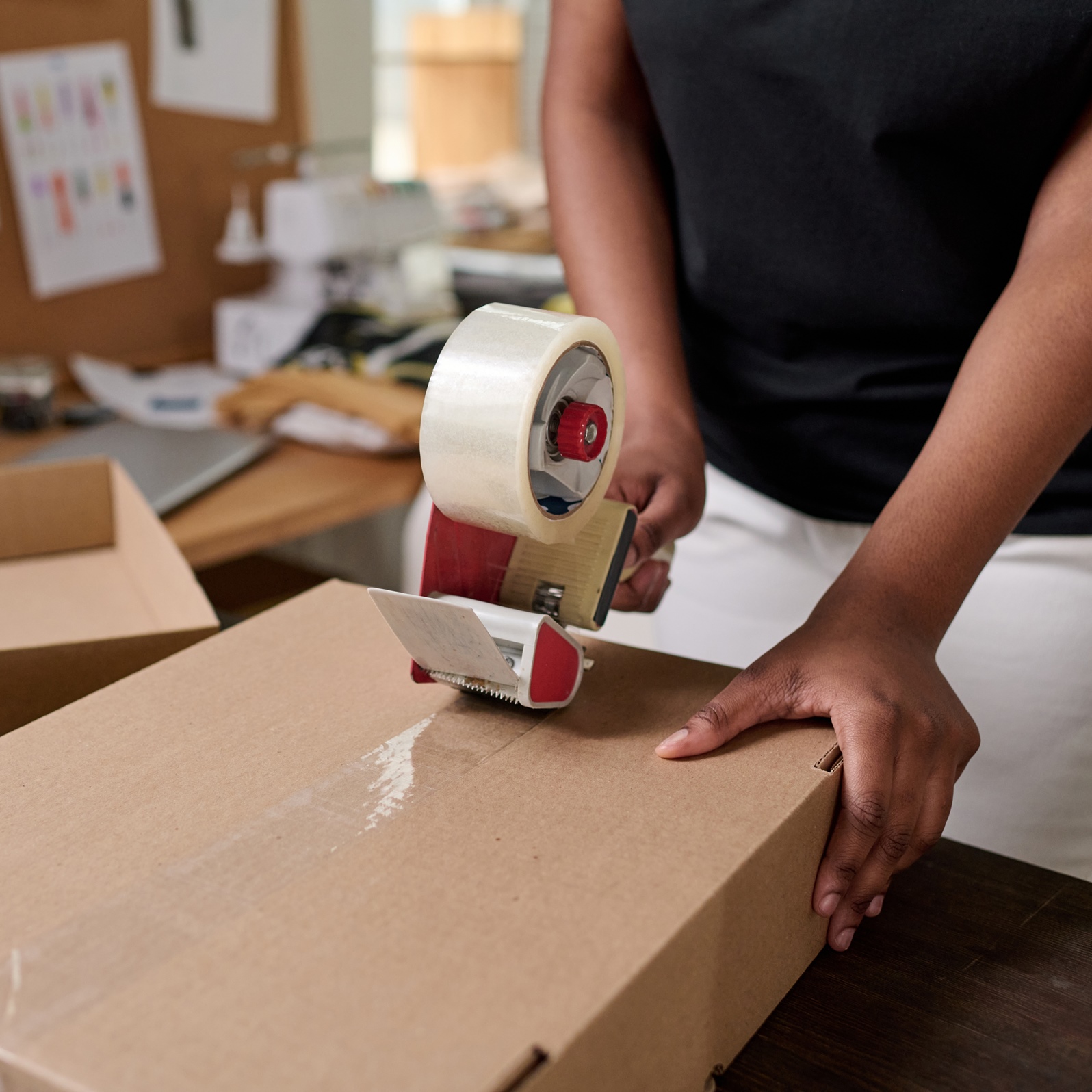
Many collectors focus on choosing a reliable carrier while overlooking one equally important factor: proper packing. Even the safest transportation cannot protect artwork that has been packed incorrectly. Learning the common mistakes when packing art for shipping can help you prevent costly damage and preserve your collection throughout the journey.
What Packing Mistakes Put Artwork at Risk?
Professional art handlers regularly encounter preventable packing errors made by both first-time collectors and experienced owners. Understanding these risks is the first step toward safer transportation.
Using the Wrong Packing Materials
One of the most common mistakes when packing art for shipping is relying on ordinary moving supplies. Household bubble wrap, newspapers, packing paper, or standard cardboard boxes may contain acids, inks, or chemicals that can permanently damage delicate surfaces. Professional art packers instead use conservation-grade materials such as acid-free tissue, glassine paper, archival foam, and museum-quality cardboard designed specifically for fine art transportation.
Skipping the Condition Report
Another major mistake is packing artwork without documenting its condition. Before any shipment begins, photographs and videos should record every visible detail of the piece. This documentation serves as valuable evidence if damage occurs during transit and is often required when filing an insurance claim or requesting compensation from a carrier.
Not Providing Enough Cushioning
Many owners concentrate on protecting only the front of a painting while overlooking its sides, back, and corners. In reality, artwork is vulnerable from every direction during transportation. Professional packing methods protect all six sides using two to three inches of cushioning material. Framed works should also include sturdy corner protectors to minimize the risk of chipped frames and damaged edges.
Leaving Empty Space Inside the Box
A surprisingly common misconception is that extra room inside the shipping box helps absorb shocks. In fact, empty space allows artwork to shift during transit, causing repeated impacts against the box walls. Even small movements can result in abrasions, cracked glazing, damaged frames, or weakened structural components. Artwork should fit securely inside the package without excessive movement while still allowing enough cushioning to absorb vibrations.
Avoid the Common Mistakes When Packing Art for Shipping
Proper packing requires more than quality materials—it demands experience, planning, and attention to detail. Every artwork has unique dimensions, materials, and vulnerabilities that influence how it should be protected. By working with professional art packing and shipping specialists like Fine Art Shippers, collectors can eliminate guesswork and significantly reduce the risk of damage. Investing in expert packing is often far less expensive than repairing or replacing a valuable artwork after preventable shipping damage.