

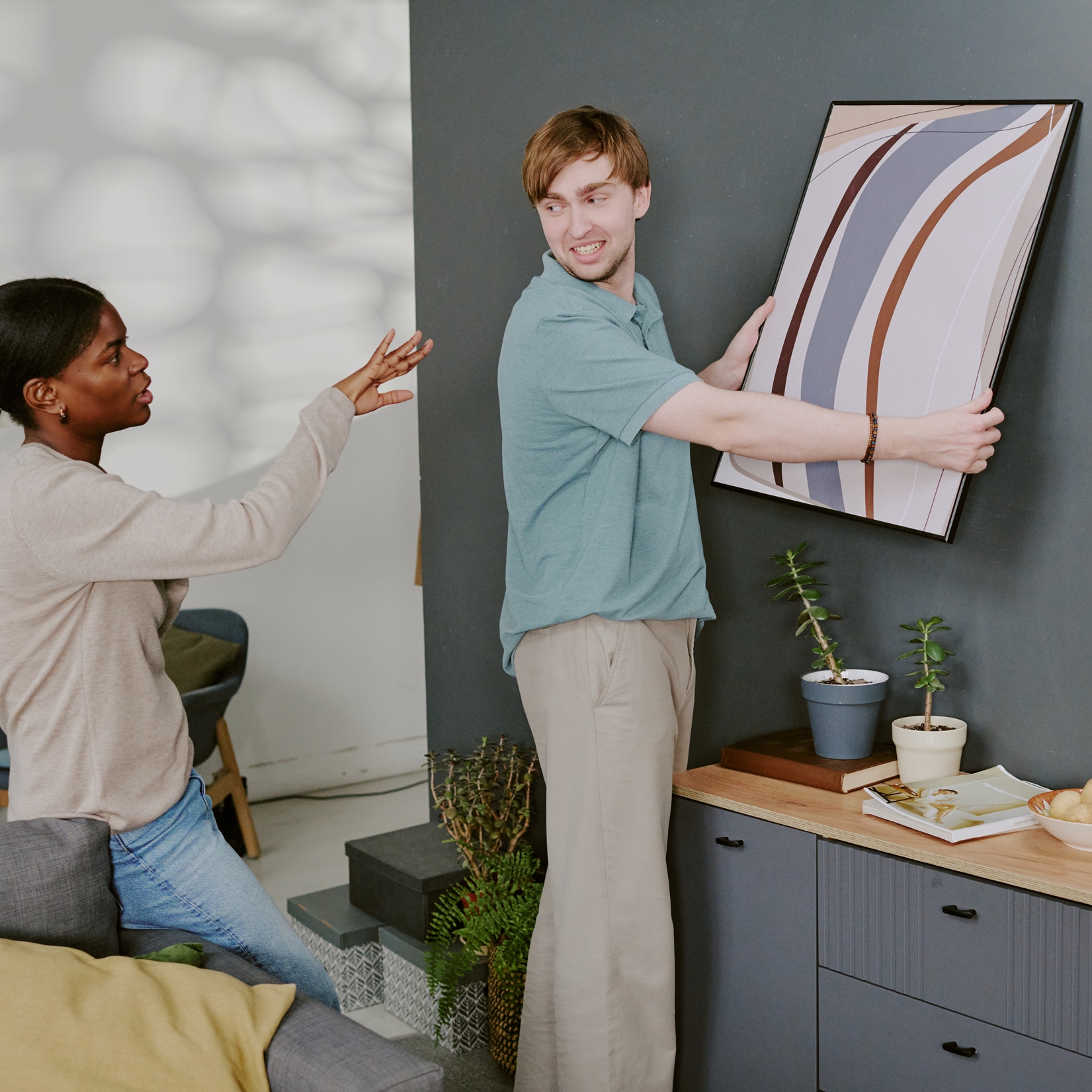
Understanding why handyman installation ruins fine art is critical for preventing damage in galleries, museums, and private collections. Fine art is highly sensitive to handling, mounting, and environmental conditions, and improper installation is one of the most common causes of avoidable artwork deterioration.
What Is Handyman Installation?
Handyman installation refers to the hanging, mounting, or placement of artworks by non-specialized workers without training in fine art handling, conservation, or museum installation standards.
Unlike professional art installers, handymen typically do not:
- assess wall structure and load capacity
- use museum-grade mounting systems
- evaluate humidity, lighting, or vibration risks
This lack of technical control is a primary reason why improper installation ruins art.
Why Handyman Installation Ruins Fine Art: Main Causes
There are several direct technical reasons explaining why handyman installation ruins fine art:
- Incorrect wall anchors create instability and long-term structural stress
- Poor handling leads to scratches, surface contamination, and abrasion
- Improper lifting and transport can cause canvas stretching or cracking
- Excess weight on frames leads to warping and joint failure
- Wrong placement exposes artworks to harmful light and humidity conditions
Each factor contributes to the physical or chemical degradation of artworks over time.
Professional Art Installation vs Handyman Work
Professional art installation follows strict conservation and logistics standards:
- Use of museum-grade hardware (D-rings, cleats, secure mounts)
- Environmental assessment (temperature, humidity, UV exposure)
- Risk-based installation planning
- Insurance compliance for high-value artworks
In contrast, handyman installation relies on generic tools and subjective judgment, which significantly increases the risk of damage.
Long-Term Impact on Fine Art
Damage from improper installation is often cumulative. Even if an artwork appears secure initially, hidden stress from incorrect mounting can lead to gradual deterioration.
Common outcomes include:
- frame deformation
- paint layer instability
- canvas weakening
- reduced market and insurance value
In many cases, restoration is possible but costly and not fully reversible.
FAQ
Can a handyman hang art safely?
Yes, but only in rare cases involving small, lightweight artworks in standard frames. For valuable or fragile pieces, professional installation is strongly recommended to avoid damage.
Is installation-related damage reversible?
Minor issues like surface scratches or small paint cracks can sometimes be restored through conservation. However, restoration is costly and not always fully reversible.
How can I find qualified art installers?
Use specialized fine art installation companies with experience in handling valuable works. In New York, Fine Art Shippers offers professional art installation services of any scale.