

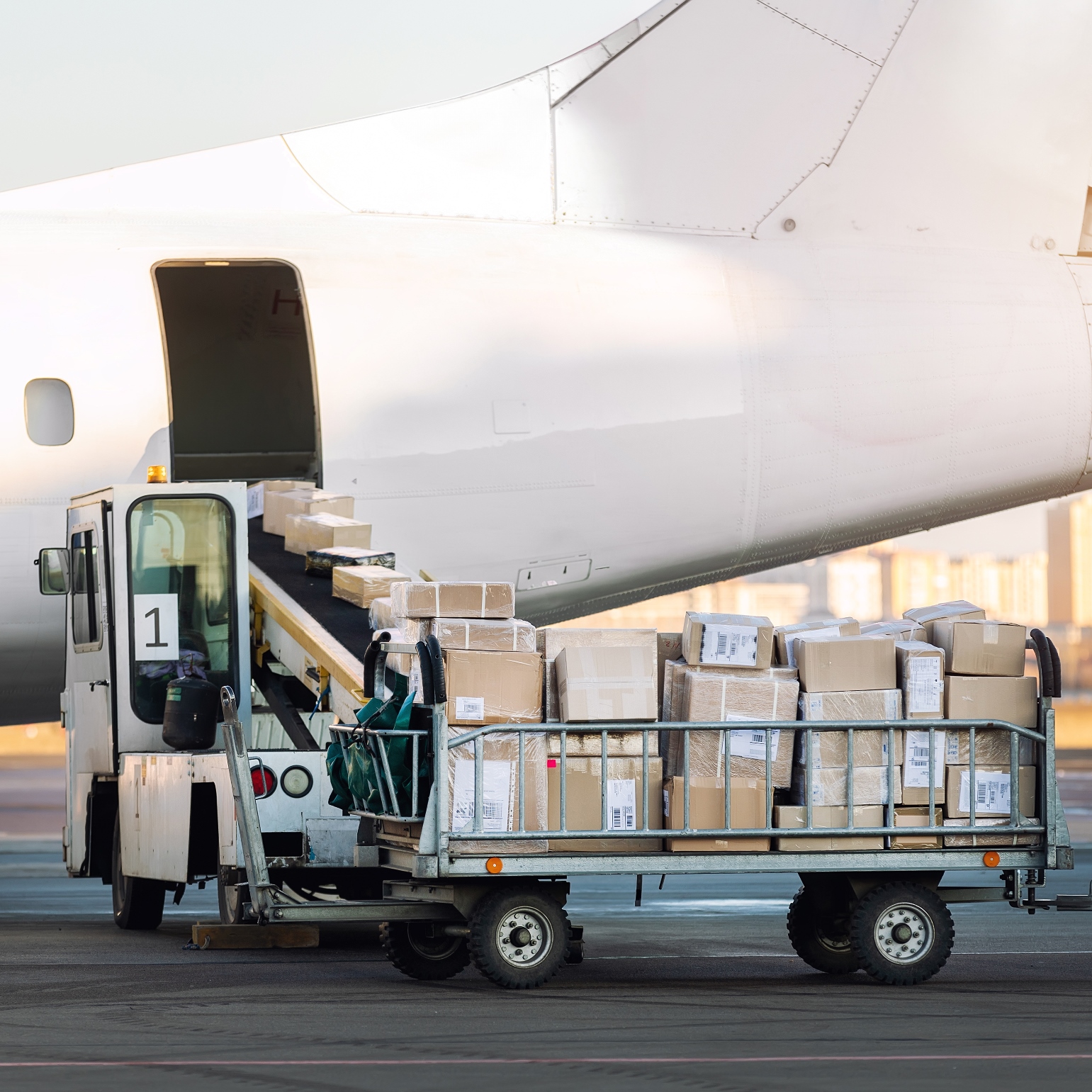
Choosing between air and ground transportation is one of the most important decisions in art logistics. The debate around air freight vs ground shipping for art goes far beyond distance alone. Factors such as artwork fragility, transit time, environmental conditions, customs requirements, and budget all influence the safest and most efficient shipping method. For collectors, galleries, museums, and artists, understanding these considerations can help minimize risk and protect valuable assets.
Distance Is Only One Part of the Equation
Many people assume that domestic shipments should travel by truck, while international shipments should automatically move by air. In reality, the decision is rarely that straightforward.
For example, transporting a painting from New York to Los Angeles by road may expose it to several days of vibration, temperature fluctuations, and handling events. On the other hand, air transportation can significantly reduce transit time but may introduce other challenges related to cargo environments and airport handling procedures.
The most effective shipping strategy balances speed, safety, cost, and the specific needs of the artwork.
Air Freight vs Ground Shipping for Art: Understanding the Risks
Every transportation method presents unique risks. Air freight typically reduces overall travel time, which can be beneficial for high-value or time-sensitive shipments. However, artworks may be exposed to low-humidity cargo environments, pressure changes, and multiple handling points between airports.
Ground transportation offers advantages for many domestic shipments, especially when climate-controlled vehicles and air-ride suspension systems are used. These features help create a stable environment for paintings, sculptures, photographs, and works on paper.
The artwork's material composition should always be considered before selecting a shipping method. Some delicate pieces respond better to the controlled conditions of specialized ground transportation than to air cargo environments.
Regulatory and Customs Considerations
Documentation requirements are another major factor. Ground transportation within a single country is generally simpler from an administrative perspective. International air shipments, however, often require customs declarations, commercial invoices, permits, and additional compliance documentation.
Incomplete paperwork can lead to delays, unexpected costs, or customs holds that may disrupt exhibition schedules and sales transactions. For this reason, international art shipments benefit from professional logistics planning.
When Air Freight Is the Best Choice
Some situations clearly favor air transportation. Intercontinental and overseas shipments are obvious examples, as ground transportation is not a practical alternative.
Air freight is also the preferred solution when deadlines are tight. Museums, galleries, and art fairs frequently rely on air transportation to meet strict exhibition schedules. Additionally, ultra-high-value artworks often travel by air to minimize transit time and reduce overall exposure to transportation risks.
Ultimately, the best choice depends on the artwork, destination, timeline, and handling requirements. There is no universal answer to the question of air freight vs ground shipping for art, as every shipment presents its own logistical challenges and risk factors. Evaluating each case individually is the most reliable way to ensure safe and successful art transportation.