

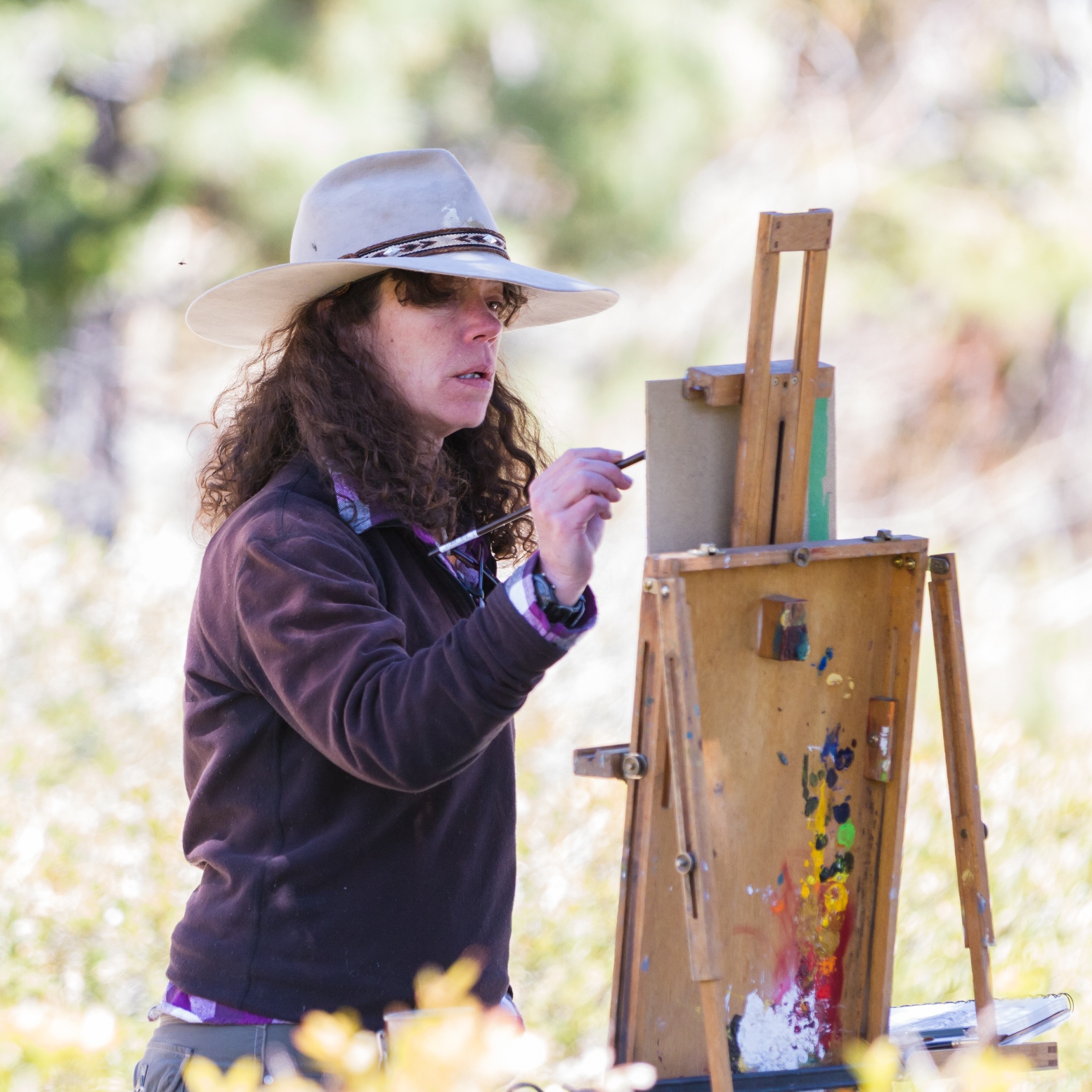
For generations, the image of an artist working in a dedicated studio has represented creativity at its purest. Large worktables, natural light, unfinished projects, and walls covered with ideas have long been associated with artistic production. While traditional studios remain valuable for many creators, an increasing number of artists are finding that their best work happens elsewhere.
Creative professionals today often have more flexibility in where and how they work. Advances in technology, changing lifestyles, and evolving creative processes have encouraged artists to explore environments that better support focus, experimentation, and personal well-being. As a result, the definition of a productive creative space has become far broader than it once was.
Creative Work Often Benefits from Different Surroundings
Many artists discover that inspiration does not always emerge from the same environment where they produce finished work. Some prefer to develop ideas while walking outdoors, spending time in nature, traveling, or working from quiet residential spaces.
The physical setting can influence mood, concentration, and creative energy. For this reason, some artists intentionally create environments that feel different from traditional studios. Instead of prioritizing professional equipment alone, they focus on spaces that encourage reflection, relaxation, and uninterrupted thinking. When designing these personal retreats, some individuals explore wellness-focused additions such as 5 person sauna as part of a broader effort to create environments that support periods of rest between intensive creative sessions.
The goal is not necessarily to replace a studio but to establish settings that contribute to different stages of the creative process.
Solitude Can Improve Creative Focus
Creative work often requires deep concentration. While collaborative environments can generate ideas, many artists find that meaningful progress occurs when distractions are minimized.
Traditional studios may sometimes become busy spaces filled with visitors, colleagues, administrative responsibilities, or constant activity. Alternative environments can provide greater control over noise levels, interruptions, and daily routines.
For artists working on complex projects, periods of solitude often create opportunities to think more deeply about concepts, techniques, and long-term creative goals. The ability to step away from expectations and external pressures can be just as valuable as access to specialized equipment.
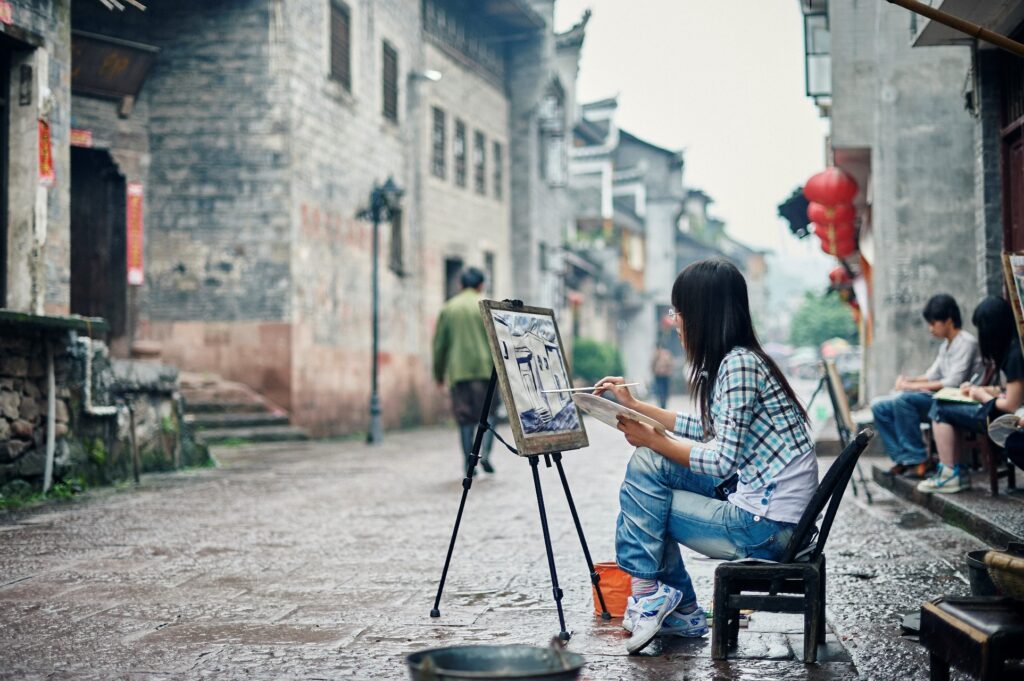
Modern Creative Careers Are More Flexible
Technology has changed how many artists operate. Designers, illustrators, photographers, writers, and digital creators can now complete substantial portions of their work from a wide variety of locations.
Cloud-based tools, portable devices, and digital collaboration platforms allow creative professionals to remain productive without being tied to a single workspace. This flexibility encourages experimentation with environments that align more closely with individual preferences.
Some artists prefer dedicated home workspaces. Others split their time between studios, shared creative hubs, outdoor settings, and private retreats. The ability to adapt work environments to different creative needs has become an important advantage for many professionals.
Recovery Plays an Important Role in Creativity
Creativity is often associated with productivity, but recovery can be equally important. Intensive creative work requires sustained mental effort, emotional engagement, and problem-solving. Without adequate opportunities to recharge, creative performance can decline over time.
Many artists intentionally build recovery practices into their routines. These may include exercise, meditation, reading, spending time outdoors, or creating quiet spaces that encourage mental separation from ongoing projects.
This emphasis on recovery reflects an understanding that creativity rarely operates as a continuous process. Periods of rest often contribute to new perspectives, fresh ideas, and renewed motivation when artists return to their work.
The Studio Is No Longer the Only Creative Space
Traditional studios continue to serve an important role within the creative world. They provide dedicated work areas, specialized equipment, and environments designed specifically for artistic production. However, many artists no longer view the studio as the sole location where meaningful creative work can occur.
Instead, they are developing more flexible approaches that combine different environments to support different aspects of the creative process. Some spaces encourage production, others support reflection, and still others provide opportunities for recovery and inspiration.
As creative careers continue to evolve, the most effective workspace may not be defined by convention but by how well it supports an artist's unique process. For many creators, that means looking beyond traditional studios and embracing environments that help them think, create, and recharge in ways that best support their work.