

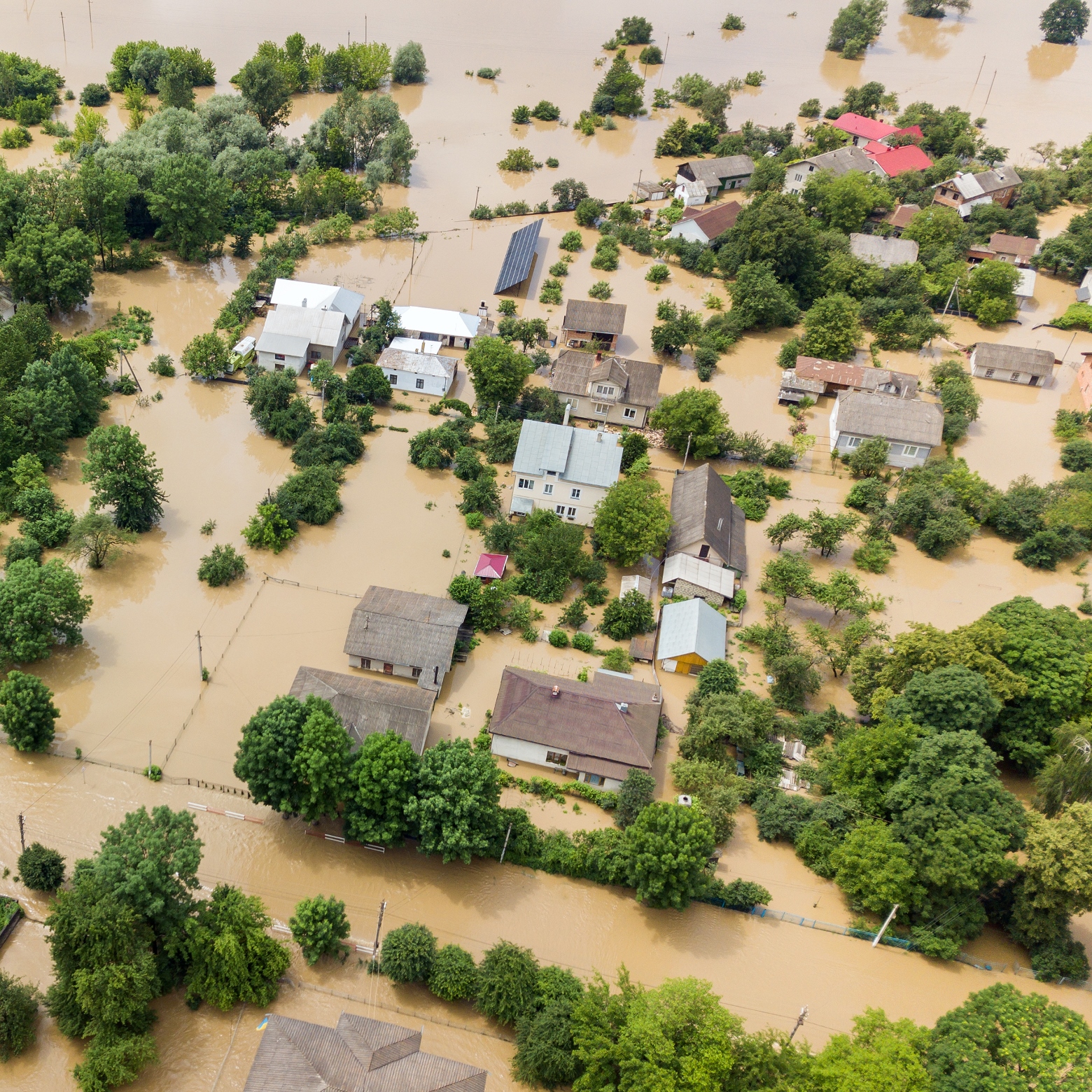
When water reaches a collection, the first job is usually not drying the works. It is freezing them. Conservators who handle water emergencies treat cold as the priority because freezing prevents further damage while there is still something worth saving.
Wet paper, photographs, and textiles start growing mold within about two days, and once it sets in, the loss is permanent. Drying an entire soaked collection that fast is rarely possible. Freezing buys the time to do it properly, but the catch is capacity.
Most galleries and collectors have nowhere near enough cold space to freeze a collection at the scale a real flood demands, and that gap, not the water itself, is what usually decides how much survives.
Why Conservators Freeze Before They Dry
Bringing wet materials below freezing essentially presses pause. Mold cannot grow at those temperatures. Chemical deterioration slows to a crawl, and the swelling and bleeding stop where they are. Nothing improves in the freezer, but nothing gets worse either, and that distinction is the whole point.
A serious flood can soak far more material than any team can clean and dry before mold sets in. Trying to treat everything at once guarantees that some of it waits too long. Freezing breaks that trap.
A team can stabilize an entire collection in the first hours, then thaw and treat it in a controlled sequence over the following weeks, working at a pace that protects the art instead of racing the clock.
What Goes Cold First, and Why
Not everything belongs in a freezer, but a great deal does. Works on paper, books, and manuscripts respond well to freezing, as do many textiles and most photographic materials.
Photographs are the variable because some processes tolerate water for a day or more. But others can be ruined in minutes, so a conservator sorts by material and assigns priority during triage.
A few items, certain coated papers among them, also call for different handling. Once materials are frozen and stable, treatment follows in stages.
The most common method for paper and books is vacuum freeze-drying, which removes moisture without forcing the works back into a wet, vulnerable state. Smaller batches can be thawed and air-dried under controlled conditions.
Why On-Site Cold Is the Missing Piece
Few galleries, private collectors, or even mid-sized institutions keep enough freezing capacity on hand to handle a real flood. A household freezer holds a few boxes. A collection emergency can involve hundreds.
Conservation guidance is blunt about the fix: when the volume is large, the recommended move is to bring in a freezer truck or a portable walk-in freezer rather than improvise.
That is where deployable cold capacity changes the outcome. Temporary walk-in cold storage delivered directly to the affected site lets a team start freezing on-site within hours. The works never travel wet. They move from the damaged space straight into a stable, cold area a few steps away.
Why Some Collections Survive a Flood, and Others Don't
When Hurricane Sandy hit New York in 2012, the surge filled the Chelsea basements where galleries stored inventory, leaving parts of the district under as much as five feet of water. Printed Matter alone had a 9,000-book inventory and an archive in its flooded basement, paper of exactly the kind freezing stabilizes. There was nowhere near enough cold capacity on hand to catch it.
Compare the 1966 Arno flood in Florence, which buried hundreds of thousands of books and produced the modern salvage playbook. The lab founded afterward now uses freeze-drying to recover flood-damaged rare volumes.
The difference is not luck. Capacity that arrives in hours, takes in a full collection, and stays reliably cold on backup power is what separates a salvage from a total loss. Ordinary storage cannot do that in an emergency.
Build Cold Storage into the Plan Before You Need It
The worst time to find an emergency cold storage option is during an emergency. Serious collections plan for transit, insurance, and security long before they need any of them, yet water response often gets left to improvise in the moment. It deserves the same forethought.
Knowing in advance who can put cold capacity on-site, how fast they move, and how much they can hold turns a flooded weekend from a scramble into a phone call. The art world takes enormous care to protect works in motion.