

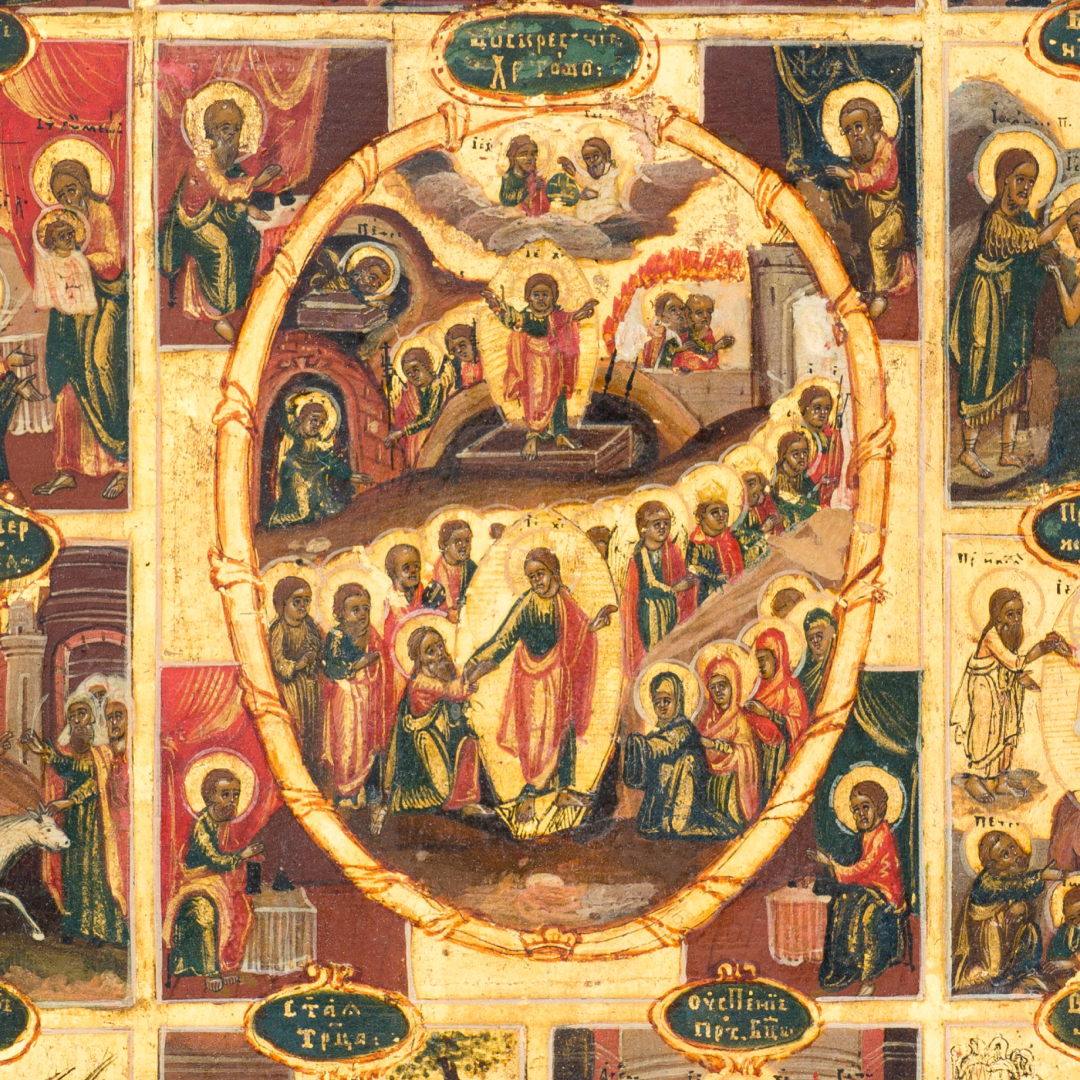
An antique icon is more than a decorative artwork—it is a devotional object, a cultural artifact, and a historical document at the same time. Because of this unique combination, determining its true market value can be complex even for experienced collectors. The following guide outlines the key factors used by specialists when evaluating icons, helping both beginners and seasoned buyers make informed decisions and avoid costly mistakes.
Age and Provenance
One of the first elements to consider when assessing an icon is its age. Icons originating from the Byzantine period (4th–15th centuries) or early Russian icon painting centers of the 15th–17th centuries are typically the most valuable. However, age alone does not determine price.
Equally important is provenance—the documented history of ownership. A well-recorded provenance adds credibility, reduces the risk of forgery, and significantly increases market value. Icons with uninterrupted and verifiable ownership history are especially desirable among collectors and institutions.
Authorship and Geographic Origin
Many antique icons were created anonymously, with value determined by period, stylistic school, and iconographic tradition. However, attribution to renowned workshops or master icon painters can significantly elevate value.
Historically important centers such as Novgorod, Pskov, and Moscow developed distinct artistic styles that are highly recognizable today. An antique icon associated with these schools often commands a higher price due to its cultural and historical significance. Even when exact authorship is unknown, stylistic attribution to a respected regional school plays a major role in valuation.
Condition of the Antique Icon
The physical condition of an icon is one of the most critical factors in determining its worth. Experts carefully examine the wooden panel, paint layers, and any metal oklad (protective cover) for signs of damage, restoration, or overpainting.
Minor age-related cracks are generally acceptable and expected in authentic pieces. However, extensive restoration, repainting, or missing structural elements can drastically reduce value. In most cases, collectors prefer original, minimally restored icons over heavily altered examples, even if the latter appear visually more complete.
Rarity and Subject Matter
Rarity plays a key role in demand. Certain iconographic themes—such as uncommon saints, rare hagiographic scenes, or complex multi-part compositions—are more sought after in the market.
Composite works, like those featured in Oleg Kushnirskiy’s collection, which often explore themes such as the Resurrection of Jesus Christ and Descent into Hell, are especially valuable. These icons attract specialized collectors who are willing to pay a premium for unique theological narratives and artistic complexity.
Materials and Craftsmanship
Beyond the main evaluation criteria, additional features can significantly enhance the value of an antique icon. These include the use of gold leaf backgrounds, enamel detailing, precious metal covers, or gemstone inlays. High levels of craftsmanship, especially in early examples, further distinguish exceptional icons from standard devotional works.
Ultimately, the value of an icon is determined by a combination of historical depth, artistic quality, condition, and rarity, making each piece a unique intersection of faith and art history.