

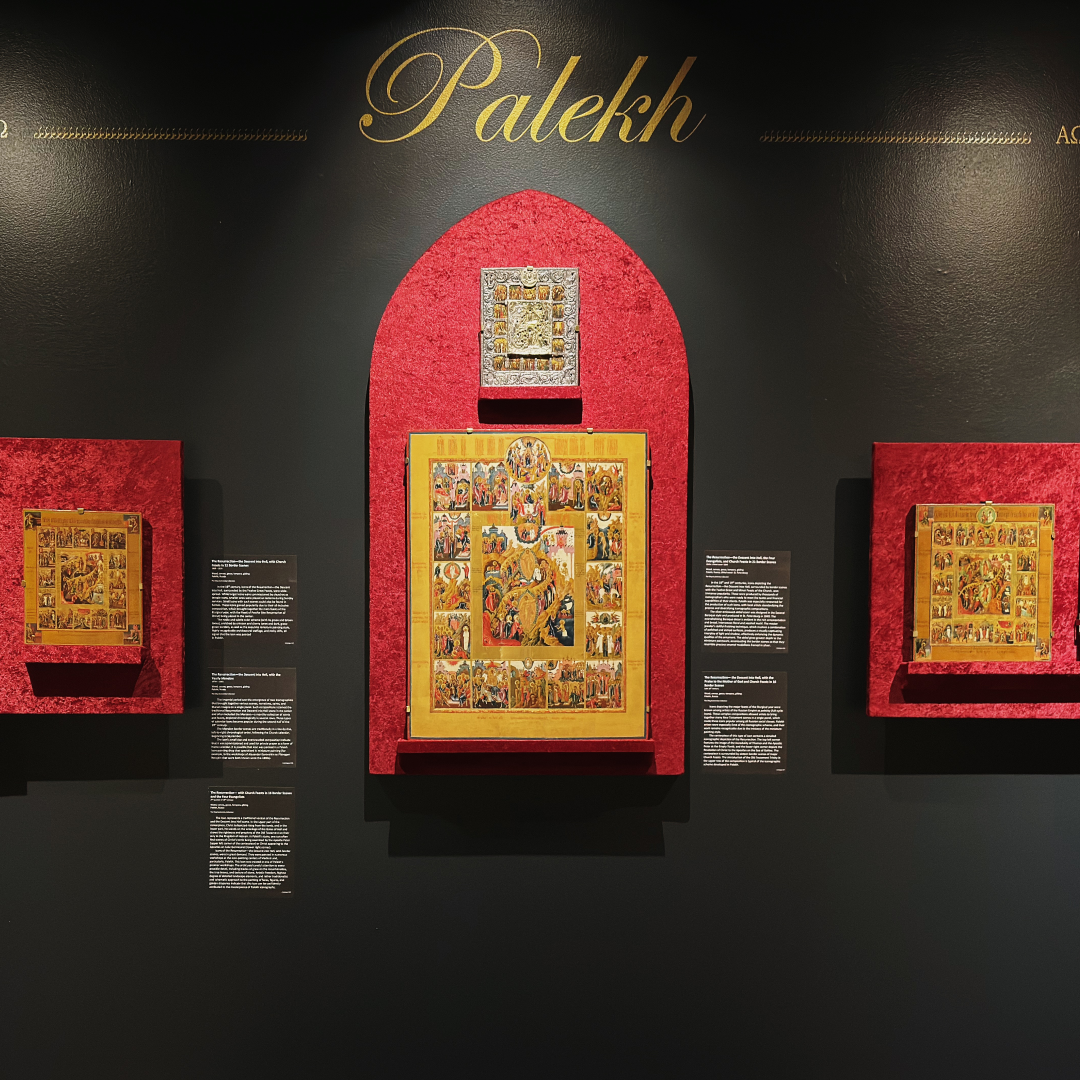
The survival of many historic religious icons is closely tied to the dedication of private collectors. Throughout history, Orthodox icon painting has experienced periods of both reverence and persecution. Wars, political upheavals, religious suppression, and changing cultural priorities threatened countless works of sacred art. Yet many rare icons endured, often because individuals recognized their artistic and historical value and took responsibility for preserving them for future generations.
Today, museums, scholars, and art enthusiasts continue to benefit from the efforts of collectors who safeguarded these fragile pieces during uncertain times. Their contributions have helped preserve an important chapter of religious and cultural history.
Private Collectors and the Preservation of Russian Icons
Russian icons occupy a unique position at the crossroads of faith, history, and artistic achievement. Beyond their spiritual significance, they offer valuable insights into centuries of craftsmanship, regional traditions, and cultural development. For this reason, private collectors have played a crucial role in rescuing icons from neglect, destruction, and dispersal.
Many collectors began acquiring icons long before the broader art market recognized their importance. Through careful stewardship, research, restoration, and public exhibition, they ensured that these works remained accessible to future generations.
Notable Collectors of Russian Icon Art
One of the most influential modern collectors was Mikhail Abramov, a Russian businessman who founded the Museum of the Russian Icon in Moscow in 2006. His collection grew to include more than 5,000 icons and religious artifacts, some dating back to the 6th century. By opening the museum to the public, Abramov transformed a private passion into an educational resource for visitors from around the world.
Another prominent figure was Gordon B. Lankton, an American industrialist whose fascination with Russian icons began during a business trip to Russia. What started with the purchase of a single icon evolved into one of North America’s most significant collections of Russian religious art. His efforts ultimately contributed to the establishment of the Icon Museum dedicated to preserving and studying icons.
George Costakis is best known for assembling the world's largest private collection of Russian avant-garde art, but his collecting interests also included icons and religious embroideries. His commitment to preserving Russian cultural heritage earned him international recognition and helped safeguard numerous works that might otherwise have been lost.
Oleg Kushnirskiy and the Legacy of Old Believer Icons
Among contemporary private collectors, Oleg Kushnirskiy has made a meaningful contribution to the preservation of Old Believer icon painting. His interest in this distinctive artistic tradition developed decades ago and evolved into a lifelong collecting mission. Today, works from his collection have been exhibited in museums across the United States, introducing wider audiences to the rich visual language of Orthodox iconography.
Those interested in exploring this unique niche of Russian religious art in greater depth can turn to the art catalog dedicated to the Kushnirskiy collection. Available for purchase on the Russian Icon Collection website, the publication offers valuable insights into the history, symbolism, and artistic traditions of Old Believer icons, making it a useful resource for collectors, researchers, and anyone passionate about Orthodox icon painting.