

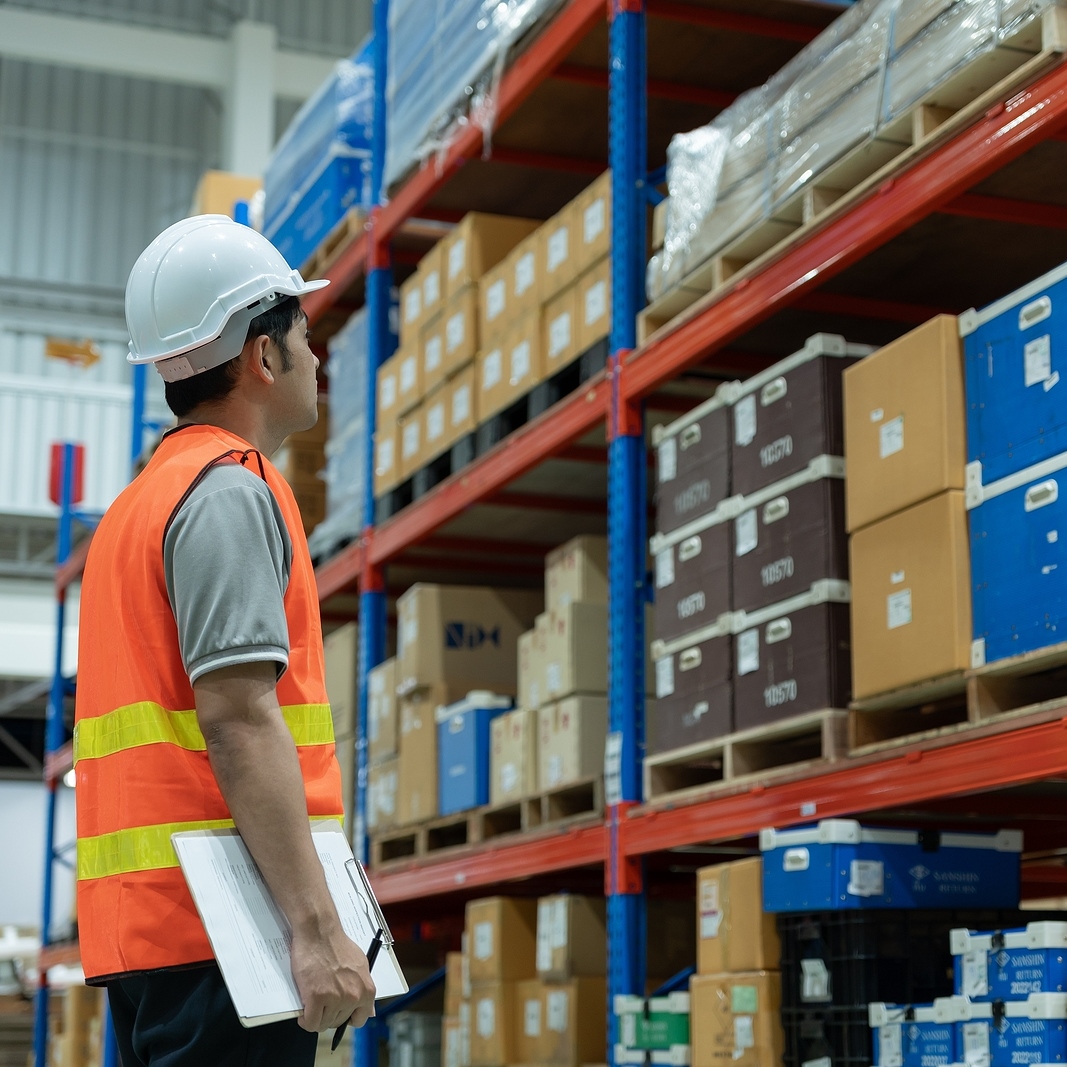
A single damaged canvas or a stolen crate can erase a season’s profit for a gallery or an independent art seller. That’s not a hypothetical. It’s the same fragility-and-value problem that the broader eCommerce fulfillment industry has spent the last decade solving at scale, and most of those lessons haven’t made their way into how art gets shipped.
Why Fulfillment Infrastructure Matters for High-Value Shipping
The eCommerce fulfillment market isn’t small, and it isn’t slowing down. It reached $33.9 billion in North America in 2025, up 14.2% year over year, and is projected to hit $38.7 billion in 2026, according to ShipBob’s fulfillment trends report. Brands that outsource fulfillment entirely grew revenue 22.2% year over year, compared with just 3.9% for brands running their own warehouses.
That gap isn’t about cost savings. It’s about infrastructure. Companies built around order transparency, custom handling, and scalable warehousing simply outperform sellers still shipping out of a back room. One example is The Fulfillment Lab, a 3PL built around this model, which offers custom packaging and real-time order visibility for brands that can’t afford to guess where a shipment is or what condition it arrived in. Art sellers running online shops face the exact same stakes, just with a Rothko instead of a running shoe.
The Insurance Gap Most Sellers Don’t See
Here’s the part most sellers miss until it costs them. Carrier “declared value” is not insurance. UPS caps declared value at $50,000, and jewelry is capped at just $500. FedEx Ground caps out at $2,000. Both carriers state plainly that they provide no coverage beyond that cap, and a $2,000 ceiling doesn’t come close to covering a mid-career painting, let alone a museum-quality piece.
The risk is bigger than most sellers assume, too. Roughly 1 in 10 shipments nationwide are lost, damaged, or stolen, and 104 million packages were stolen in 2025 alone. Cargo theft losses surged 60% that year to $725 million, with the average stolen load valued at $273,990. For anyone shipping original art without a real insurance policy, that’s a gamble few can afford. We’ve covered this in more detail in our piece on protecting high-value shipments from theft and loss.
What Fine Art Sellers Can Borrow from eCommerce Fulfillment
The fix isn’t complicated, but it does require treating shipments like a fulfillment operation instead of a one-off errand. Real-time tracking should be standard, not a premium add-on. Condition documentation, photos, and notes taken before a piece leaves the studio should happen every time, not just for the expensive stuff. And packaging needs to match the value of what’s inside it, not just what’s convenient.
We’ve written before about custom packaging built for online art sellers, and the same principle from modern 3PLs applies: standardize your process so quality doesn’t depend on who happens to be packing that day. The same goes for choosing the right shipping partner, since 74% of shippers say they’d switch 3PL providers based on tracking and visibility alone. Art sellers should hold their carriers to the same standard.
Closing the Gap Between Well-Packed and Actually Protected
A painting wrapped in glassine and foam corners is well packed. It isn’t necessarily protected. That distinction is what the fulfillment industry figured out years ago: packaging is one layer, but tracking, documentation, and real insurance coverage are what actually determine whether a claim gets paid.
Sellers who borrow fulfillment-grade discipline, not just careful hand-wrapping, are the ones who won’t be caught explaining to a collector why a six-figure piece arrived in pieces.