

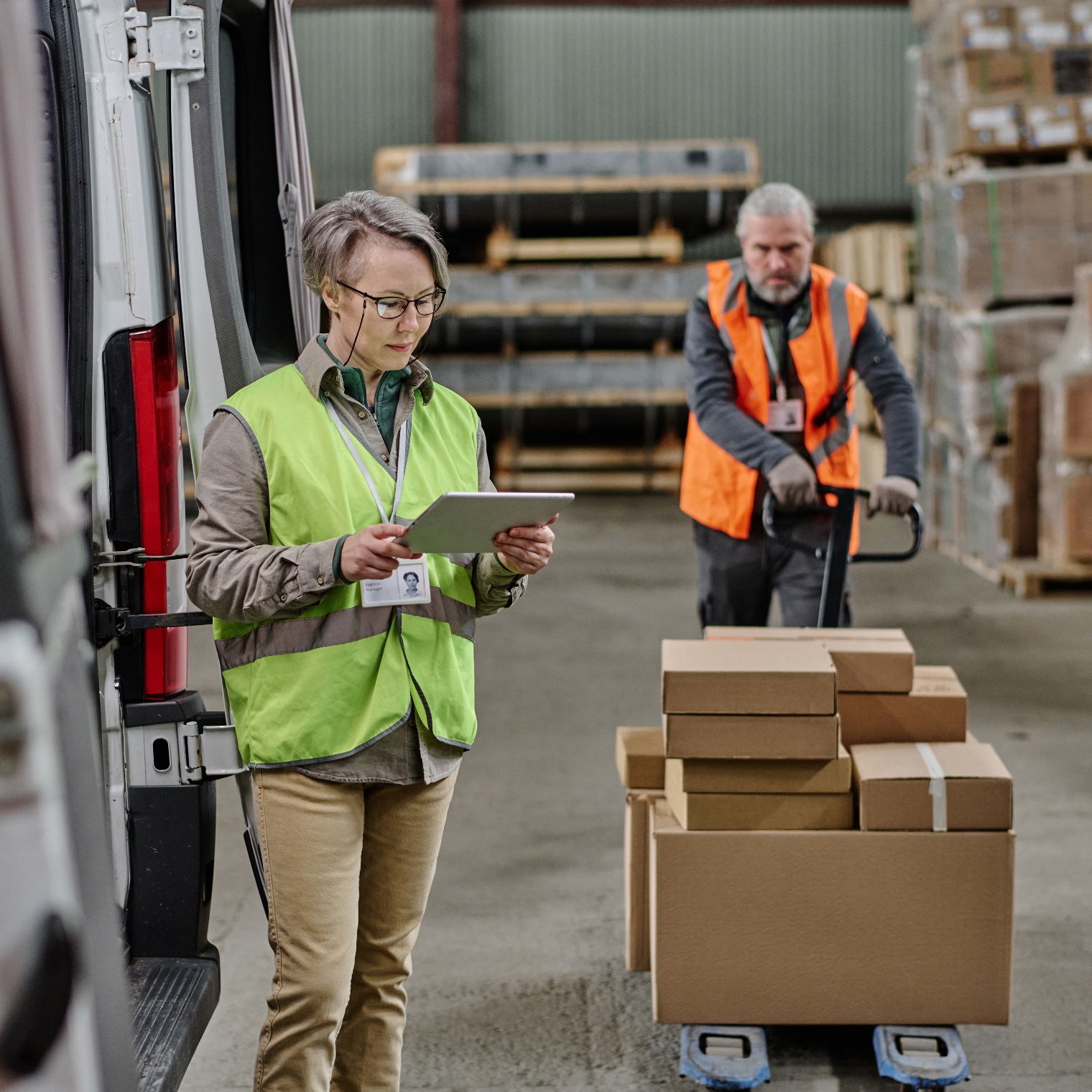
Product returns are unavoidable, but returned items do not always represent a complete financial loss. Reverse logistics gives businesses a structured way to move products from customers back through the supply chain for inspection, repair, refurbishment, resale, recycling, or responsible disposal. When managed effectively, this process can help companies recover value, improve inventory control, and reduce waste. It can also provide information about product quality and customer behavior.
How Returned Products Can Regain Business Value
When a customer returns an item, it may still retain considerable value depending on condition, age, and market demand. Reverse logistics helps businesses determine what should happen to each returned item rather than treating every return as unusable inventory. Products in good condition may be inspected, repackaged, and returned to regular inventory, while items with minor cosmetic or functional issues may be refurbished before resale. Other products might be suitable for secondary markets, outlet channels, liquidation, or component recovery. Clear evaluation procedures help businesses make faster decisions and choose the best recovery option. Without an organized process, returns may sit in warehouses and lose value.
Improving the Inspection and Disposition Process
A major advantage of reverse logistics is the ability to establish consistent procedures for receiving, inspecting, grading, and directing returned products. Without a defined process, employees may struggle to decide whether to resell, repair, recycle, or discard them, creating delays. A structured system assigns each product to a recovery channel based on its condition and value. Businesses can use technology to record return reasons, conditions, and disposition decisions. Companies looking to strengthen their approach to reverse logistics may gain additional insight into managing product movement across complex supply chains. Faster inspection is particularly important for electronics, fashion products, seasonal merchandise, and other goods that may quickly lose market value.
Creating Revenue Through Refurbishment and Resale
Returned products often have a second commercial life through refurbishment and resale programs. Some items are returned because of packaging damage, minor defects, buyer preference, incorrect sizing, or changing needs rather than serious failures. After inspection, cleaning, testing, or repair, many goods may be suitable for resale through alternative channels. Refurbished products can be offered to customers seeking lower-priced options, while open-box goods may be sold through retail stores or online platforms. Businesses may also work with liquidation partners or secondary marketplaces when direct resale is not practical. These approaches generate revenue from merchandise that might otherwise occupy warehouse space or become waste. Treating returned goods as recoverable assets can improve inventory economics and reduce disposal costs.
Recovering Components and Materials from Unsellable Goods
Not every returned product can be resold in its original form, but unusable merchandise may still contain components or materials with financial value. Reverse logistics can help businesses separate products suitable for parts harvesting, remanufacturing, or recycling. Electronics, machinery, appliances, and automotive or industrial equipment may contain valuable metals, functioning components, or reusable assemblies. Recovering these materials can reduce the need to purchase new parts while helping offset return costs. Even packaging materials may sometimes be reused or recycled. A systematic recovery process also prevents valuable materials from being mixed with general waste. Businesses can create different recovery pathways depending on what each product contains and its condition.
Reducing Storage Costs and Inventory Congestion
Returned merchandise can become an operational burden when it remains in warehouses without clear decisions. Accumulated returns occupy storage space that could otherwise be used for active inventory, incoming products, or order fulfillment. They may also require repeated handling and movement, increasing labor expenses without generating revenue. Reverse logistics helps reduce this congestion by creating defined procedures for processing returned goods. Products suitable for resale can be returned to inventory, repairable items can be directed to appropriate facilities, and nonrecoverable goods can be routed for recycling or disposal. Faster decisions prevent returned merchandise from becoming stagnant stock. Improved inventory visibility also shows how many returns await inspection and how much value is tied up in them.
Using Return Data to Prevent Future Financial Losses
Reverse logistics does more than recover value from products that have already been returned. It can also provide data that helps prevent similar losses in the future. Every return contains information about why a customer was dissatisfied or a product failed to meet expectations. By analyzing return reasons, companies can identify recurring problems involving manufacturing quality, product descriptions, packaging, shipping damage, sizing, compatibility, or customer expectations. Frequent returns caused by transit damage may indicate that packaging needs improvement, while recurring defects may point to a manufacturing issue. Reducing the underlying causes of returns can lower transportation, inspection, handling, and restocking expenses over time. Return data therefore becomes a source of business intelligence that can improve the forward supply chain.
Supporting More Sustainable Product Life Cycles
Reverse logistics can help businesses recover value by extending product life cycles and reducing waste. When returned products are immediately discarded, companies lose both the remaining financial value of the goods and the resources used to manufacture them. Repairing, refurbishing, remanufacturing, or recycling returned merchandise helps keep products and materials useful for longer. This can reduce dependence on new raw materials and lower the volume of products sent to landfills. Sustainable return practices may also support environmental goals and customer expectations. Businesses can prioritize reuse before recycling and recycling before disposal whenever practical, creating a circular flow in which products and materials have multiple opportunities to generate value.
Reverse logistics can play an important role in helping businesses recover value from returned products rather than accepting every return as a total loss. Through inspection, refurbishment, resale, parts recovery, recycling, and faster inventory decisions, companies can capture financial opportunities from merchandise moving backward through the supply chain. Return data can also reveal recurring problems that businesses can correct to reduce future costs. It also supports efficient warehouse operations and responsible resource use. By creating clear recovery pathways for returned goods, businesses can protect value while building a more efficient and sustainable supply chain.