

Shipping a painting looks very different from shipping a regular parcel. Art logistics sits at the intersection of conservation science, customs regulations, and insurance requirements, each of which adds its own layer of complexity. If you need international art logistics explained, this guide outlines the entire process to help you plan accurately and avoid costly delays or documentation issues.
International Art Logistics Explained: The Core Sequence
Let’s see how international art logistics works step by step.
Valuation and Condition Assessment
Before an artwork begins its journey, its condition must be carefully documented. For institutionally owned artworks, a registrar or conservator typically prepares a detailed condition report supported by high-resolution photographs and videos. When privately owned art is transported, the process usually involves a condition inspection performed by the carrier or art handler to document the artwork before shipment.
Documentation and Export Clearance
Documentation requirements become more complex depending on the artwork’s age, value, origin, and materials. For example, the European Union requires export licenses for certain cultural goods that exceed established age and value thresholds, while the United Kingdom operates its own export control system under the Waverley criteria. The United States has relatively straightforward export regulations but applies stricter scrutiny to imported artworks, particularly regarding provenance. In addition, artworks containing ivory, tortoiseshell, or certain protected hardwoods may require CITES permits before crossing international borders.
Packing and Crating
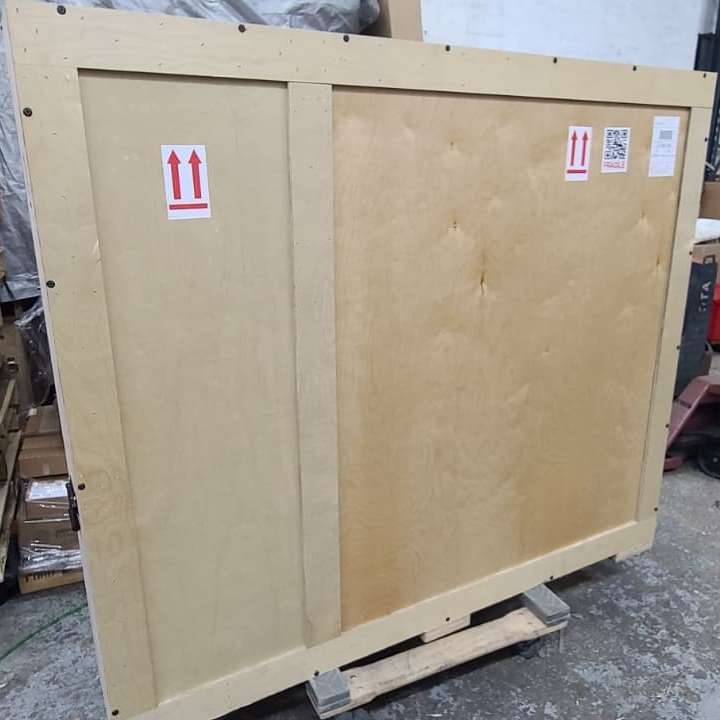
Museum-grade crates are custom-built to match each artwork's dimensions and conservation requirements. They typically incorporate climate-buffering materials and shock-absorbing supports. Any wooden crate used in international shipping must also comply with ISPM 15 heat-treatment standards before crossing national borders.
Transportation to the Departure Point
Road transportation is often the preferred solution for regional and intracontinental art shipments because it minimizes handling and allows the artwork to remain in a controlled environment throughout the journey. Air freight is generally the preferred option for intercontinental shipments where speed is essential, while oversized sculptures and large collections are frequently transported by sea.
Import Clearance and Final Delivery
The final stage of international art logistics is import clearance followed by last-mile delivery. Smooth customs clearance depends on accurate documentation, proper tariff classification, and the timely payment of any applicable duties or taxes. After delivery, artworks are unpacked carefully to allow for gradual acclimatization, and a second condition report is often prepared to confirm that the artwork arrived safely. If requested, the shipping team may also provide professional installation services.
Now that you have international art logistics explained from start to finish, you can better understand the many steps involved in moving valuable artworks across borders. If you prefer expert guidance, Fine Art Shippers is ready to assist with consulting, museum-grade packing, custom crating, customs documentation, and international art transportation tailored to your needs.