

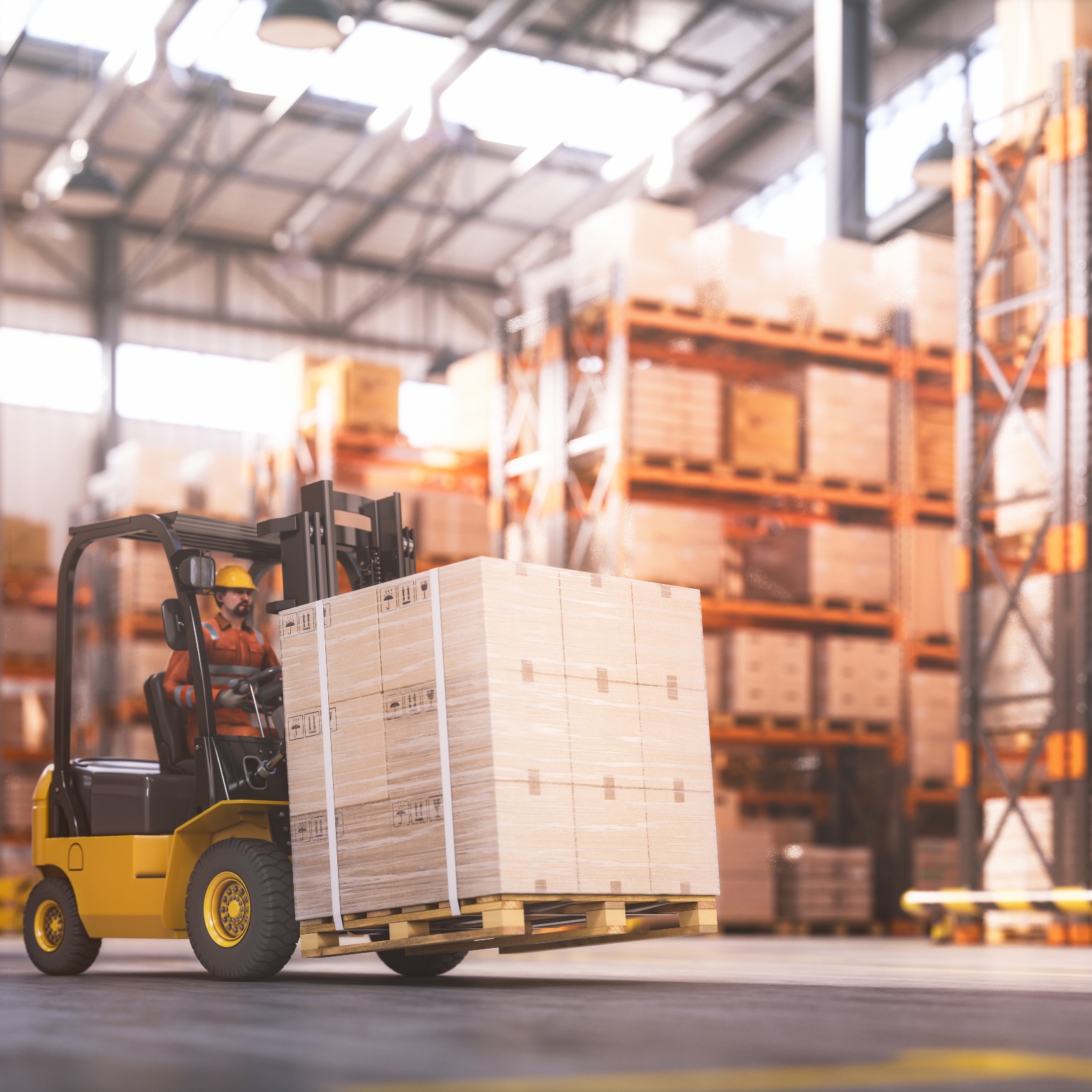
Fine art shippers have spent decades perfecting climate control, custom crating, and museum-grade handling. That expertise isn’t in question. But some of the biggest efficiency gains showing up in 2026 aren’t coming from better foam padding or smarter crate design. They’re coming from a logistics playbook general freight and e-commerce companies have refined for years: bonded warehousing along nearshore trade corridors.
Art logistics providers have already borrowed some of this thinking, tax-advantaged storage like Delaware’s Freeport being one example. Less discussed is the broader nearshore 3PL model reshaping cross-border freight in North America.
Why Cross-Border Warehousing Is Becoming Central to Art Logistics
Storage now accounts for more than 40% of fine art logistics service revenue, ahead of transportation at roughly 37%, according to a 2026 market report from OpenPR. Shipping costs alone can consume up to 15% of a gallery’s operating budget.
As nearshore providers like Loginam demonstrate across the broader freight industry, positioning bonded warehousing near major border crossings can reduce transit times and defer duty costs for cross-border shippers of all kinds, including fine art. The closer a warehouse sits to the border, the less time inventory spends in transit limbo.
That trend has momentum. Roughly 77% of Mexican imports to the U.S. qualified for duty-free treatment under USMCA rules of origin by mid-2025, up from about 42% in the agreement’s early years, according to the Tijuana Economic Development Corporation, and cross-border freight between the two countries rose more than 8% in early 2025, a new trade-value record. Art shippers moving inventory to fairs or storage hubs face the same tightening capacity as everyone else.
The Bonded Warehouse Advantage for High-Value Goods
Customs and Border Protection authorizes certain facilities, known as bonded warehouses, to hold imported goods before any duty changes hands. That bill only comes due once the goods actually head off to a domestic buyer. Fine art raises the stakes considerably here, since a single crate can easily be worth more than the truck hauling it.
Deferring duty on a multimillion-dollar painting isn’t a minor convenience. It preserves capital and eases the pressure to rush a shipment through customs before provenance checks are fully settled. This is the same principle behind our deep-dive on tax-advantaged storage facilities from Delaware Freeport, where duty deferral supports long-term holding strategies for collectors and dealers.
Industrial vacancy rates in Tijuana and other nearshore hubs are tightening fast, with rents rising an estimated 10-15% year-over-year. Shippers who wait to secure bonded storage relationships may find fewer options later.
Choosing the Right Logistics Partner for Cross-Border Moves
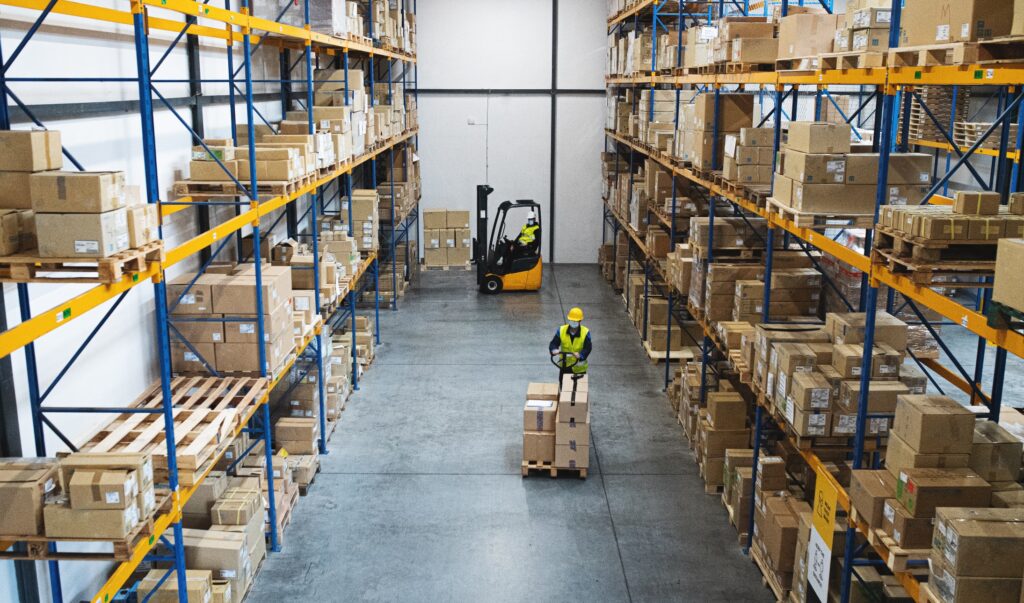
Not every freight partner can handle high-value, fragile cargo across an international border. Carrier vetting matters more here than in standard freight, and CTPAT-style security certifications are a reasonable baseline. A 3PL with border-adjacent infrastructure reduces last-mile risk by cutting the number of handoffs between the crossing and final delivery.
The same criteria that apply when choosing the right fulfillment partner for general goods apply here, with a tighter margin for error. Look for established, bonded facilities and staff who understand why a crate might sit untouched for 48 hours before customs clearance is complete.
Documentation Still Makes or Breaks the Shipment
Bonded warehousing only helps if the paperwork holds up. Commercial invoices, bills of lading, packing lists, and customs declarations need to match precisely, especially when a piece crosses a border more than once for exhibition or restoration. Our beginner’s guide to international shipping compliance covers this in more depth: small documentation errors cause the delays that bonded warehousing is supposed to prevent. The USTR’s overview of the USMCA explains the duty-free thresholds driving this growth, while the Bureau of Transportation Statistics tracks capacity at individual crossings.
The Takeaway for Art Logistics
The next real gain in art logistics efficiency probably won’t come from a better crate. It will come from adopting the bonded, nearshore warehousing strategies that have already reshaped general cross-border freight. Storage location, duty deferral, and partner selection are strategic decisions with a direct line to cost and risk.
Shippers who treat cross-border infrastructure as seriously as they treat crating will move inventory faster and spend less doing it.