

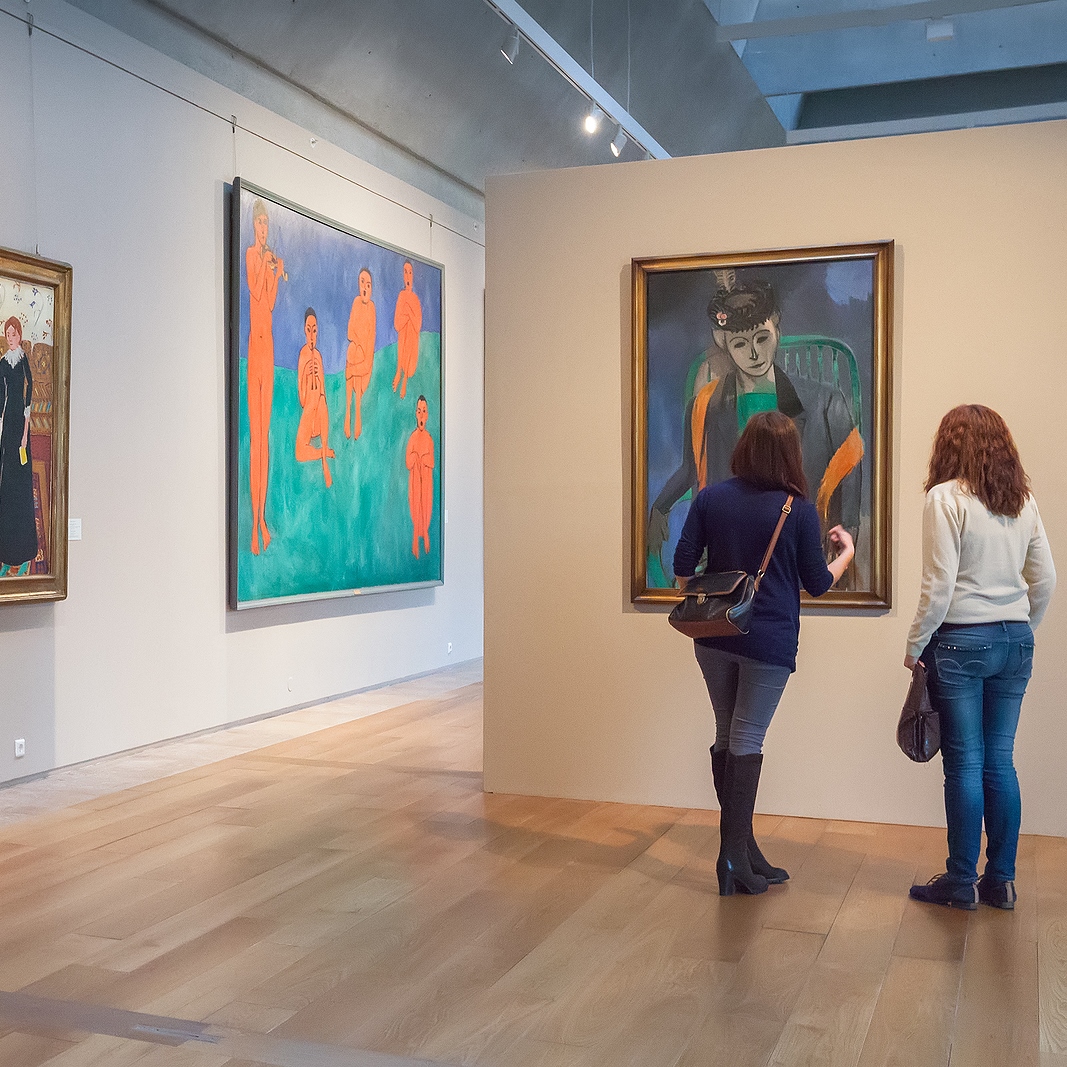
Art collecting is often pictured as an activity reserved for museums and major auction houses, but many private collectors build meaningful collections over years through study, patience, and personal interest. Some focus narrowly on a single period or medium, and others combine different traditions.
Colin Nix collects art and focuses on preservation and display, with a primary emphasis on contemporary artists alongside historical Impressionists. This article explores what each area offers a collector, and how the two can sit together in one collection.
Why Combine Two Different Periods
Contemporary art and Impressionism may seem far apart. Impressionism emerged in France in the second half of the nineteenth century, and contemporary art covers work made in recent decades. The two share an important trait, though. Both began as departures from the accepted standards of their time.
The Impressionists painted outdoors, focused on light and everyday scenes, and used loose, visible brushwork. Many critics of their era rejected this approach. Today, their paintings are among the most widely admired in the world. Contemporary artists continue to test the boundaries of what art can be, working in painting, sculpture, photography, installation, and digital media.
A collection that includes both can show how ideas about art change over time. Viewers can see and compare how different generations of artists approached color, subject matter, and technique.
Learning Before Buying
Experienced collectors often say that study comes before acquisition. Visiting museums and galleries, reading about artists and movements, and attending exhibitions all help a collector develop a trained eye.
For Impressionism, this means learning about the major figures and their followers, the regional schools influenced by the movement, and the differences between major paintings, smaller works, and works on paper. For contemporary art, it means following emerging and established artists, understanding the gallery system, and seeing a wide range of work in person.
Colin Nix has a long-standing interest in history, including reading historical biographies, and this kind of background reading can deepen a collector's understanding of the context in which artists worked.
Provenance and Authenticity
Provenance, the documented history of an artwork's ownership, matters in both areas, but especially for historical works. A clear provenance helps confirm authenticity and can protect a buyer against acquiring stolen or misattributed work.
For Impressionist pieces, collectors usually look for records of past sales, exhibition history, and inclusion in catalogues raisonnés, which are comprehensive scholarly listings of an artist's known works. Expert opinions and condition reports are also common parts of the review process.
For contemporary works, provenance is often simpler, since many pieces are bought directly from the artist or the artist's gallery. Even so, keeping invoices, certificates, and correspondence helps document the work's history for the future.
Preservation and Care
Owning art carries a responsibility to preserve it. Light, humidity, and temperature all affect the condition of paintings and works on paper. Direct sunlight can fade pigments over time, and sharp changes in humidity can make canvas and wood expand and contract, which leads to cracking.
Collectors often use framing with protective glazing, keep works away from direct sunlight and heat sources, and maintain stable indoor conditions. For older works, periodic assessment by a professional conservator can catch problems early.
Contemporary art can present its own preservation challenges. Some artists use unconventional or experimental materials that age in unpredictable ways. Collectors may need to follow artist instructions for care and installation. Colin Nix has a particular interest in preservation as part of collecting, on the view that a collector holds a work for a period of time on behalf of future viewers.
Display and Living with Art
How a collection is displayed shapes how it is experienced. Some collectors group works by period, and others mix historical and contemporary pieces to create contrasts. An Impressionist landscape hung near a contemporary abstract work can draw attention to shared interests in color and light.
Lighting is important. Gallery-style lighting that avoids damage and shows color accurately can make a significant difference in how the works appear. Placement also matters, both for the viewer's experience and for the protection of the art.
Rotation is another common practice. Collectors who own more works than they can display at once may change what is on view periodically. This limits light exposure for sensitive works and keeps the collection feeling fresh.
Budget and Patience
Collectors at every level work within a budget, and setting one in advance helps keep decisions clear. Impressionist paintings by major figures can command very high prices, but drawings, prints, and works by lesser-known artists of the period are often more accessible. In contemporary art, prices vary widely depending on an artist's career stage and gallery representation.
Patience is often rewarded. Waiting for the right piece, and not buying quickly to fill a wall, tends to produce a collection that holds together and shows the collector's interests more clearly.
Building a Collection Over Time
Most strong private collections are built slowly. Collectors refine their focus as they learn, sometimes selling works that no longer fit and adding pieces that strengthen the collection's direction.
Relationships with dealers, galleries, and other collectors help along the way. These connections provide access to works, advice, and information about the market. Many collectors also find that their interest in art connects naturally with travel, since visiting museums and galleries abroad offers chances to see major works in person.
For Colin Nix, whose interests also include travel through the United Kingdom, Switzerland, and Italy, art collecting is part of a wider curiosity about history and culture. Collecting across contemporary and Impressionist work shows an appreciation for both the art of the past and the ideas being explored by artists today.