

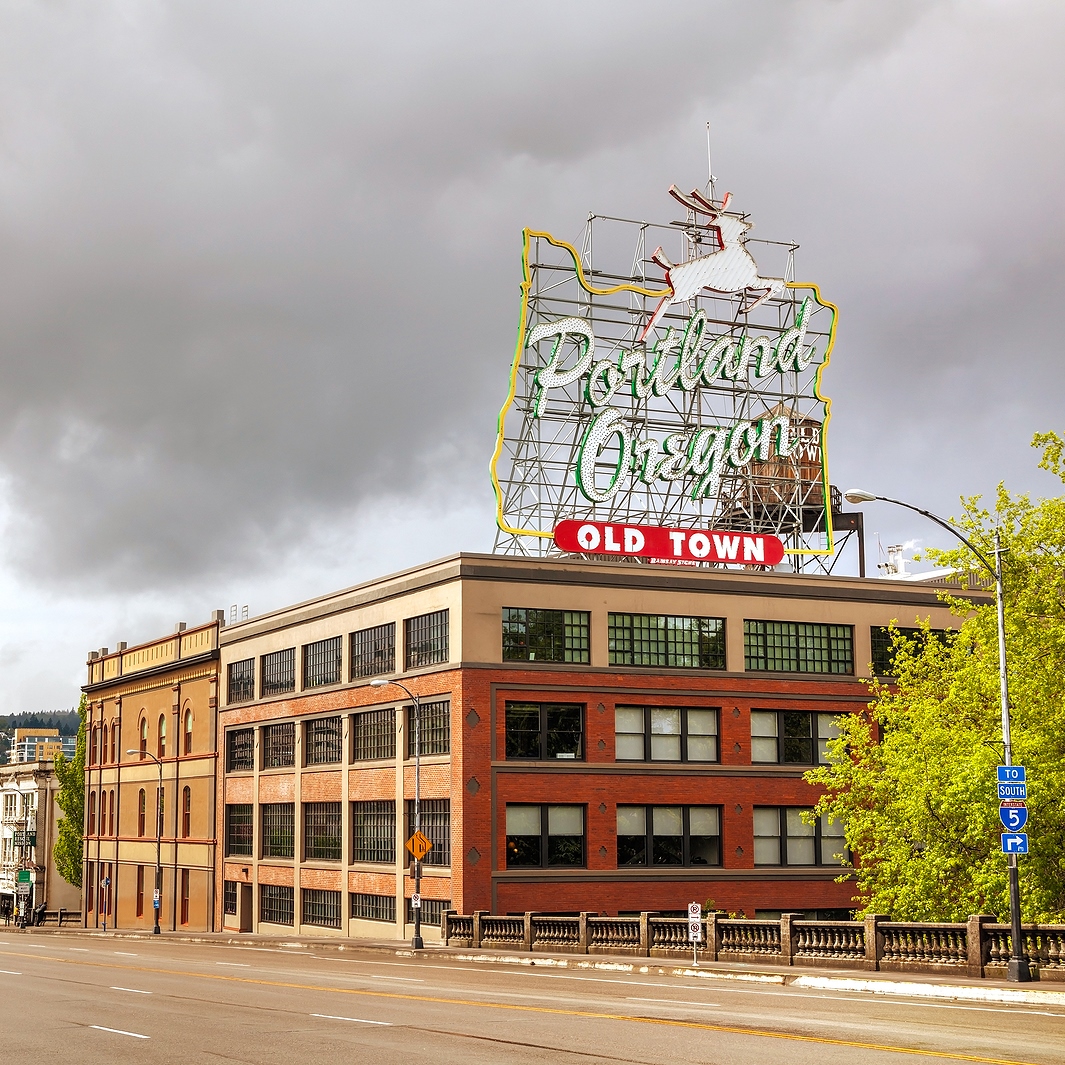
Relocating with an art collection changes the housing search immediately. Square footage matters differently, wall construction becomes more important, and environmental stability starts carrying the same weight as neighborhood amenities. In Portland, where older homes, rainy seasons, and highly varied architecture shape much of the residential market, collectors often evaluate properties through a very different lens than typical buyers.
The city continues attracting artists, designers, remote professionals, and collectors looking for more flexible living space than larger West Coast markets currently offer. Portland’s combination of historic homes, warehouse conversions, wooded residential areas, and comparatively lower housing costs than San Francisco or Seattle has made it increasingly attractive to art-focused households.
But moving artwork safely into the Pacific Northwest comes with practical considerations that many buyers do not initially expect.
Portland Homes Present Unique Challenges for Art Storage
Portland’s climate affects artwork more than many relocating buyers realize. The region’s extended rainy season and high humidity levels create conditions that require careful environmental planning, particularly for paintings, works on paper, antiques, and mixed-media collections.
Older Portland homes can present specific issues:
- Inconsistent insulation
- Basement moisture
- Limited climate control
- Draft-prone windows
- Uneven interior temperatures
- Narrow stair access
Collectors moving into historic properties around Irvington, Laurelhurst, or Northwest Portland often discover that older architecture was not designed for modern collection storage standards.
Humidity fluctuations matter because artwork materials expand and contract over time. Canvas tension changes, wood frames shift, adhesives weaken, and paper-based works become more vulnerable to damage when environmental conditions remain unstable for long periods. The National Park Service maintains detailed guidance around museum climate standards because even relatively small humidity swings can affect long-term preservation.
That is one reason many collectors prioritize central HVAC systems and dedicated storage areas when relocating to Portland.
Wall space matters too, but not simply in terms of quantity. Many collectors specifically seek homes with:
- Higher ceilings
- Indirect natural light
- Wider hallways
- Reinforced walls
- Controlled window exposure
- Flexible hanging layouts
These requirements can narrow the search considerably in Portland’s older residential inventory.
Moving Logistics Matter Before the Search Even Starts
For many collectors, relocation planning begins well before a property is purchased.
The process often includes inventory assessments, condition reporting, custom crating, and temporary storage arrangements. Large collections may require phased transportation schedules depending on renovation timelines or environmental readiness inside the new property.
Collectors frequently research neighborhoods alongside practical relocation factors discussed in broader guides about moving to Portland, particularly when balancing accessibility, home size, climate exposure, and transportation logistics.
Portland’s geography also creates unique transportation considerations. Hillside properties, narrow residential streets, and older multi-level homes can complicate art installation and furniture delivery. Some collectors moving into historic districts need crane-assisted installation for oversized works that cannot fit through staircases or entryways.
Fine art logistics companies increasingly prepare for these complications through specialized art transport planning designed specifically around fragile collections and difficult residential access points.
The housing search therefore becomes partly architectural and partly logistical.
Portland’s Architecture Appeals to Creative Buyers
Part of Portland’s attraction comes from its unusually varied residential architecture.
Collectors often gravitate toward homes that provide stronger visual relationships between interior space and artwork presentation. Portland offers several property types that fit this preference particularly well:
- Converted industrial lofts
- Mid-century modern homes
- Craftsman houses
- Contemporary hillside builds
- Warehouse-style studios
- Renovated historic properties
The city’s warehouse conversions are especially attractive for larger collections because they typically offer higher ceilings, open floor plans, and reinforced structural layouts. Pearl District lofts continue appealing to collectors seeking gallery-style living environments with flexible display arrangements.
Many Portland homeowners now redesign interiors specifically around collection display rather than purely resale-oriented aesthetics. Lighting upgrades, custom shelving, reinforced hanging systems, and climate-focused improvements increasingly appear in renovation projects across the city.
Rainy Weather Changes Collection Planning
Portland’s weather directly affects moving schedules and long-term collection management.
Frequent rainfall creates additional risk during loading and unloading operations, particularly for large framed works, sculptures, and antique furniture. Professional handlers operating in the Pacific Northwest often rely on enclosed loading procedures, moisture barriers, and rapid environmental transfers to minimize exposure during transport.
Collectors relocating during winter months usually face more complicated schedules because rain increases both transportation delays and handling precautions.
Inside the home, moisture control remains equally important.
Collectors moving to Portland often install:
- Whole-home dehumidifiers
- Air purification systems
- UV-filtering window treatments
- Climate monitoring devices
- Improved insulation
- Sealed storage rooms
These upgrades protect both artwork and the home itself. The Environmental Protection Agency continues monitoring indoor humidity because prolonged moisture exposure affects not only collections but also structural materials and air quality.
Storage Space Has Become More Valuable
The growth of remote work has changed how collectors use residential space.
Rooms previously reserved for occasional guests increasingly function as private offices, archives, viewing rooms, or hybrid creative spaces. Some collectors now maintain rotating inventories between visible display pieces and climate-controlled storage areas inside the same property.
That shift has increased interest in homes with:
- Detached studios
- Finished basements
- Large garages
- Flexible bonus rooms
- Separate entrances
- Expanded utility spaces
For valuable collections, structural planning matters almost as much as aesthetics.
Portland Continues Attracting Creative Relocations
Despite broader housing market fluctuations, Portland continues drawing buyers connected to creative industries, remote work, and independent business sectors. Compared to larger coastal cities, Portland still offers more attainable access to larger homes suitable for both living and collection storage.
That changes how properties are evaluated. Lighting becomes preservation. Storage becomes infrastructure. Climate control becomes conservation planning.
And in Portland, where weather, architecture, and geography all shape residential life differently, the housing search often looks considerably more complex for collectors than it does for the average buyer.