

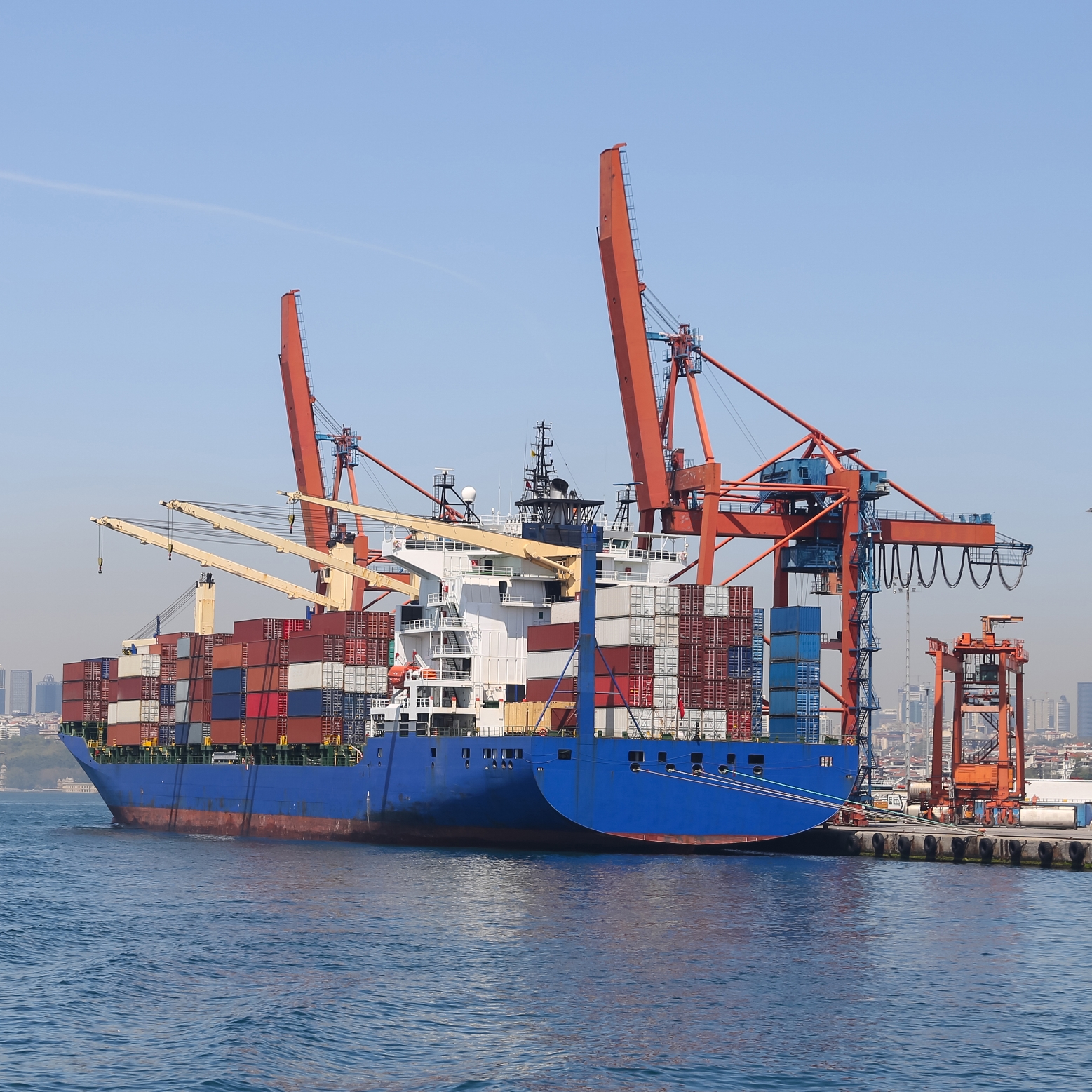
Transporting a prefabricated home across the Pacific sounds straightforward at first. The structure is manufactured, packed into containers, loaded at an Australian port, and delivered overseas for assembly. In reality, international kit home shipping involves far more coordination than standard freight transport, especially when oversized steel components, customs regulations, port schedules, and climate exposure all become part of the process.
As Australian prefab and steel-frame homes attract more international interest, particularly from rural landowners and remote property developers in North America, shipping logistics have become a critical part of project planning rather than a final step.
The complexity begins long before the first container reaches the dock.
Freight Planning Starts at the Factory
This requires manufacturers to coordinate packaging around transport stages rather than simply production schedules.
Australian prefab structures also travel under very different conditions than domestic freight. Long ocean crossings expose steel and building materials to moisture, vibration, salt air, and changing temperatures over several weeks at sea. That is why export packaging standards for structural shipments tend to be significantly stricter than local transport preparation.
Freight teams often use:
- Moisture-resistant wrapping
- Corrosion barriers
- Reinforced crate systems
- Numbered assembly pallets
- Shock-resistant bracing
- Weather-sealed containers
Australian ports handling oversized construction freight must also follow international cargo protocols monitored through agencies overseeing maritime safety and container transport standards.
For buyers overseas, shipping costs can vary dramatically depending on how efficiently kit components fit into standard container dimensions. Even slight changes in roof pitch or beam length may affect how many containers are required for transport.
That directly affects overall project cost.
NSW Kit Homes Are Reaching International Buyers
The growing interest in Australian prefab housing has expanded beyond domestic rural construction. Buyers in the United States increasingly look toward Australian steel-frame designs because of their durability, flexible layouts, and suitability for remote land development.
Many internationally shipped kit homes NSW originate from regions where steel construction has long been adapted for harsh climate conditions, including bushfire exposure, coastal weather, and extreme temperature swings.
Those same structural advantages appeal to buyers building in isolated American regions where weather resilience and simplified assembly matter more than conventional suburban construction methods.
But shipping homes internationally introduces another layer of complexity beyond freight alone.
Every shipment must navigate:
- Export documentation
- Customs inspections
- Tariff classifications
- Port handling schedules
- Quarantine requirements
- Local building compliance reviews
Timelines can change quickly depending on port congestion or inspection delays. During periods of heavy international freight traffic, container shortages alone may disrupt project schedules for weeks.
For overseas buyers, the transportation stage often becomes one of the most unpredictable parts of the entire build process.
Oversized Components Change Everything
One major complication with kit home shipping involves oversized structural pieces that exceed standard container dimensions.
Long roof beams, wide wall panels, and custom steel sections sometimes require breakbulk shipping rather than standard container transport. Breakbulk cargo moves differently through ports because components are loaded individually rather than sealed inside uniform containers.
That process increases handling complexity significantly.
Oversized freight may require:
- Crane-assisted loading
- Flat-rack containers
- Special securing systems
- Port-side inspections
- Escort transportation
- Extended customs review
These shipments often move through multiple transport modes before reaching final destinations. A structure manufactured in New South Wales may travel by truck to Sydney, move by cargo vessel across the Pacific, clear customs at Los Angeles or Houston, transfer onto rail systems, and finally reach a remote inland property by heavy-duty trailer.
Companies experienced with large-item transport understand how repeated handling increases risk for sensitive or high-value cargo. While steel structures differ from fine art, both require controlled loading procedures and accurate inventory management throughout long-distance shipping chains.
Climate Exposure Creates Long-Term Risks
Ocean transport subjects building materials to environmental conditions many buyers rarely consider.
Salt exposure remains one of the biggest concerns during Pacific shipping routes. Even coated steel components can develop corrosion problems if moisture protection fails during extended transit periods. Timber materials also face humidity fluctuations that may affect stability before assembly begins.
That is why many manufacturers include acclimation recommendations after arrival.
This becomes particularly important in regions with strong seasonal weather differences. Materials leaving coastal Australia may arrive in snowy mountain states or humid southern climates requiring different handling conditions before construction begins.
Port Logistics Are Rarely Simple
Modern ports operate under extremely precise scheduling systems, especially for international freight carrying oversized construction cargo.
Missed unloading windows or customs delays can trigger storage fees, scheduling conflicts, and secondary transport disruptions almost immediately. Some ports also restrict oversized cargo movement during peak traffic periods, forcing deliveries into narrow timing windows.
This matters because many rural delivery sites already involve difficult final-mile transportation conditions.
Remote American properties often require:
- Gravel-road access
- Temporary unloading zones
- Heavy equipment coordination
- Slope management
- Weather timing adjustments
- Utility preparation before arrival
A shipment delayed at port may therefore affect contractors, equipment rentals, and assembly crews waiting hundreds of miles inland.
For prefab housing, the structure itself may be durable, but the shipping timeline remains highly sensitive.
International Kit Homes Require More Coordination Than Most Buyers Expect
The growing popularity of Australian kit homes internationally reflects larger changes happening in rural construction and remote property development. Buyers increasingly want flexible building systems that can reach isolated land while still offering modern structural standards.
Australian manufacturers have become especially attractive because steel-frame construction performs well in demanding climates and often simplifies assembly compared to fully custom builds.
But transporting those homes internationally requires far more than booking cargo space.
What appears to buyers as a packaged home shipment is actually a long chain of carefully managed logistical decisions stretching from Australian factories to remote overseas building sites.
And once those containers finally arrive, the real construction process is only beginning.