

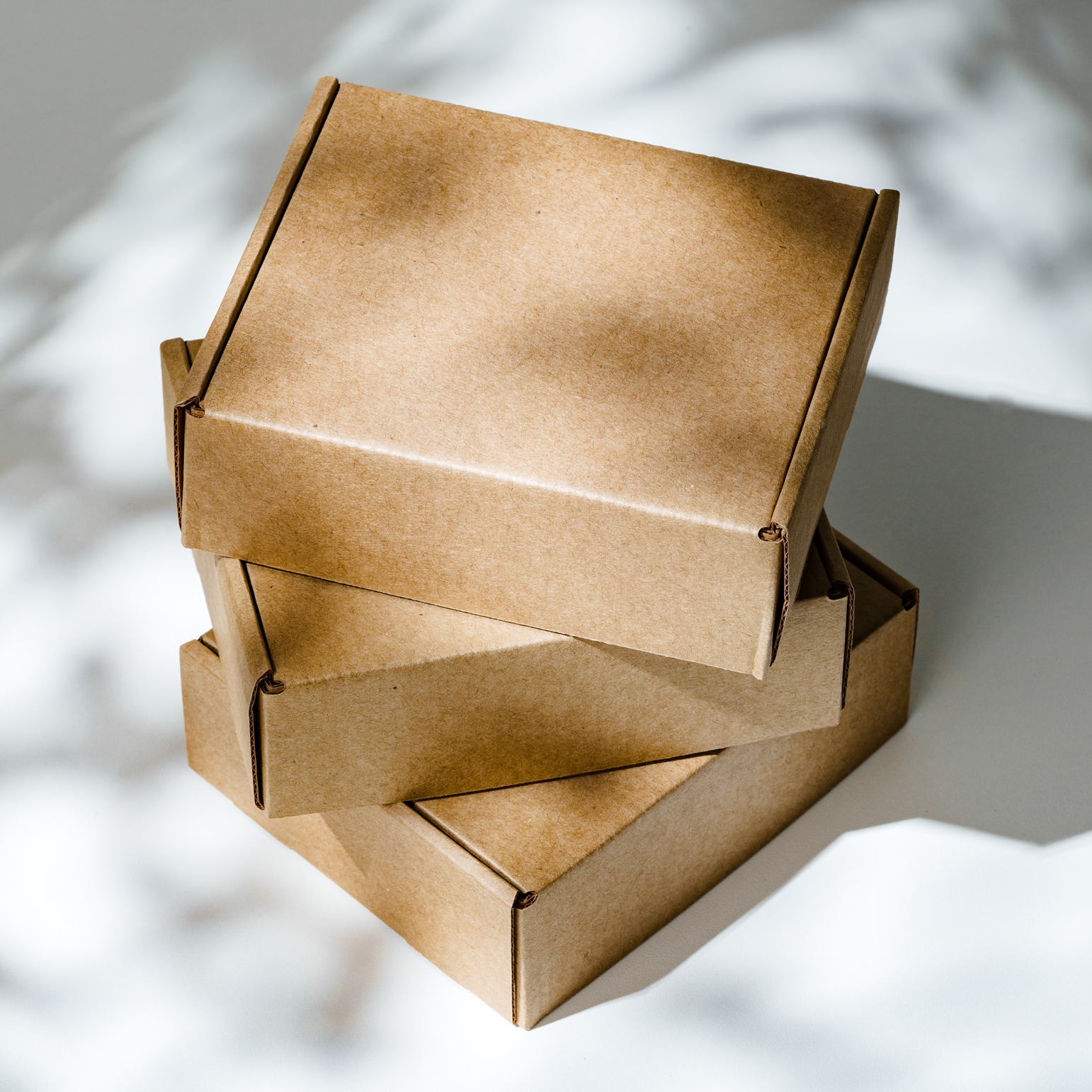
Every year, thousands of fragile packages arrive damaged, which costs small businesses and e-commerce sellers huge amounts of replacement costs, shipping refunds, and lost customer trust.
Even small movements inside the box can crack glass, damage electronic components, or chip delicate edges. Once a customer receives a broken item, the cost to your refund and reputation is already done.
With the right packaging materials, proper cushioning, and custom-sized boxes tailored to your product, you can drastically reduce damage while saving on shipping costs and returns. This guide walks you through everything you need to know, from why products break to how to pack, label, and ship them like a pro.
Why Fragile Items Get Damaged in Transit?
Before we discuss solutions directly, it is important to understand the problem first. Fragile goods are especially at risk during shipping due to the multiple stresses packages come across from the warehouse to the doorstep.
Vibration and Drops
Most packages pass through conveyor belts, sorting machines, and trucks, where they can be bumped, shaken, or dropped many times. Even small movements during shipping can slowly cause cracks, breaks, or other damage.
Compression and Stacking
Boxes are not always handled gently. They are often stacked under heavy loads in trailers or storage facilities. If there is not enough strength in the box walls and proper internal cushioning, items can be crushed.
Internal Movement
Even the best box is not able to protect an item that shifts inside its container. When a product is not fixed inside, internal movement creates impact points where delicate parts can break or scratch.
Environmental Stress
Moisture, humidity, and temperature changes can weaken packaging materials and damage some products, especially electronics, paper goods, and plastics.
Choosing the Right Box: Why Fit Matters More Than You Think
One of the most overlooked factors in fragile shipping is box fit. When a box is too large, the items inside have room to shift. No amount of bubble wrap fully repays the loss of empty space. Small shocks can still transfer energy to your product.
The most reliable solution is starting with a box that fits your product size. For this reason, many modern sellers now use custom boxes built to the exact dimensions of their products. This finishes extra space at the source and noticeably cuts material costs over time.
These exact-sized boxes offer many advantages:
- Less material
- Structural integrity
- Cost-efficiency
- Customer satisfaction
Generic, one-size-fits-all boxes look cheaper at first glance, but their inability to keep products safe from movement leads to more damage claims and a higher cost overall.
Essential Interior Cushioning Materials
Choosing the right materials improves protection without adding unnecessary weight or cost.
Many professional shippers provide detailed guidance on using foam inserts, cradling supports, and custom crates to protect fragile, high-value items during transit.
The main goal of cushioning is to absorb shocks and immobilize your fragile product. Here are the most commonly used interior materials and when to use them.
Bubble Wrap: Use smaller bubbles for lighter objects and larger bubbles for heavier or sturdier pieces.
Foam Sheets and Custom Inserts: Foam provides excellent cushioning, especially for electronics or oddly shaped items. Custom foam inserts can be molded or cut to match the exact shape of your product. They prevent movement and protect surfaces.
Air Pillows and Packing Peanuts: Air pillows are ideal for filling gaps in irregularly shaped boxes, while packing peanuts can fill smaller gaps. Please note, they do not protect from movement on their own.
Crinkle Paper and Kraft Paper: Excellent options for lightweight, breakable items. Crinkle paper adds a layer of shock absorption and surface protection.
Step-by-Step: Packaging a Fragile Item Correctly
Packaging fragile items is a step-by-step process that becomes intuitive once practiced. Follow this list for reliable results.
- Measure Your Items Precisely: Record the length, width, height, and any extended elements.
- Wrap Each Item Individually: Wrap the product completely in multilayers of bubble wrap.
- Pad the Box Bottom: Add at least 2-3 inches of cushioning to the base of the box before placing it inside.
- Place the Items in the Center: Make sure the product is evenly spaced from all sides.
- Fill All Gaps: Use interior cushioning to fill all remaining space around the product. There should be no room for movement.
- Double-Box for Extra-Fragile Items: For highly fragile or valuable items, place the packed inner box into a slightly larger outer box with cushioning between them.
- Perform a Shake Test: Close the box and lightly shake it. You hear movement, add more padding.
Labeling, Sealing, and Carrier Considerations
Labeling and sealing play a vital role, as sometimes the best packaging fails if labels and sealings are wrong.
Sealing: Use high-quality packaging tape (2’’ wide) and seal all edges with the H-taping method. This makes the opening stronger and saves from accidental splits.
Labeling: Add stickers like “fragile” and “handle with care” to make shippers aware. Place labels on multiple sides of the package to improve visibility, but make sure it does not cover the barcodes or shipping info.
Carrier Tips: USPS is cost-effective but has lighter handling standards. FedEx and UPS handle fragile items better with increased tracking and damage reporting.
How Custom Sizing Reduces Damage and Cost?
Custom sizing is not only about protection. It also improves logistics and cost-efficiency:
- Less void fillers = Lower material cost
- Lower DIM weight = Less shipping charges
- Fewer damage claims = Better profit margins
- Happy customer = Enhanced brand image
Custom boxes allow you to design a packaging system that fits your product and your brand, giving you an edge over competitors who rely on generic boxes.
Final Words
Shipping fragile items safely requires thoughtful planning, high-quality materials, guidance from experts, and packaging that is tailored only for your product. For e-commerce sellers, the difference between a damaged product and a perfect delivery affects your brand reputation.
Remember that a well-packed box is not just protection, it is your first step toward worry-free shipping and a seamless unboxing experience.