

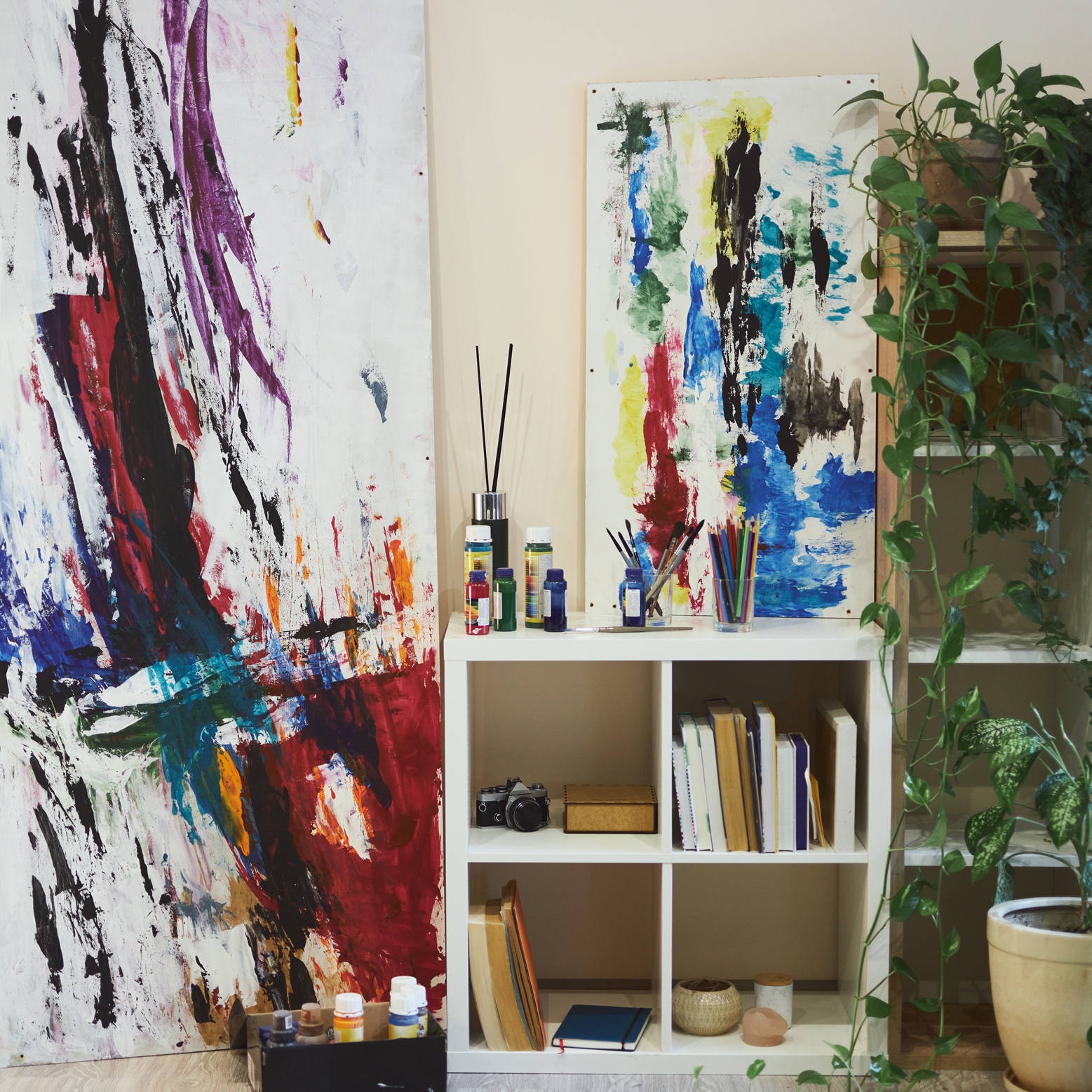
Most artists begin with a relatively simple setup. A few sketchbooks, some paints, a camera, a tablet, or a small collection of materials are usually enough to get started. The focus is on creating, experimenting, and developing skills rather than worrying about space.
Then something interesting happens.
Projects accumulate. Finished work starts piling up. Supplies multiply. Packaging materials appear. Reference materials expand. Before long, many artists find themselves facing a challenge they never expected: storage.
The problem is not necessarily a lack of creativity. In fact, it is often a sign of progress. The more work an artist produces, the more difficult it becomes to organize, protect, and manage everything associated with that work.
Finished Work Takes Up More Space Than Expected
Artists often plan for creating artwork but not for keeping it.
Paintings need protection from dust and damage. Prints require flat storage. Framed pieces occupy wall and floor space. Sculptures and mixed-media projects can be even more challenging because they rarely fit neatly into standard storage solutions.
Many artists underestimate how quickly finished work accumulates. A productive year can generate dozens or even hundreds of pieces, each requiring space and protection.
Without a system in place, storage problems can begin affecting productivity. Instead of focusing on new projects, artists find themselves constantly moving existing work from one location to another.
Supplies Have a Way of Multiplying
Creative supplies rarely stay limited for long.
A painter experiments with new media. A photographer acquires additional equipment. A printmaker accumulates paper stock. A ceramic artist gathers tools, molds, and materials.
Each purchase may seem small individually, but together they can consume significant space. The challenge is that artists often need these materials available when inspiration strikes, making it difficult to simply get rid of them.
At the same time, keeping everything within immediate reach can quickly turn a studio into a cluttered environment that makes creative work more difficult.
Finding the balance between accessibility and organization becomes increasingly important as a creative practice grows.
Clutter Can Affect Creativity
Many artists work best in spaces that feel functional and inspiring. When materials, unfinished projects, and storage boxes begin competing for attention, the environment itself can become a source of frustration.
This does not mean every studio must be perfectly organized. Creative spaces naturally involve a certain amount of activity and experimentation. However, there is a difference between productive creative energy and overwhelming clutter.
An organized workspace often makes it easier to start new projects because fewer barriers stand between an idea and the ability to act on it.
For many artists, improving storage is not simply about saving space. It is about protecting creative momentum.
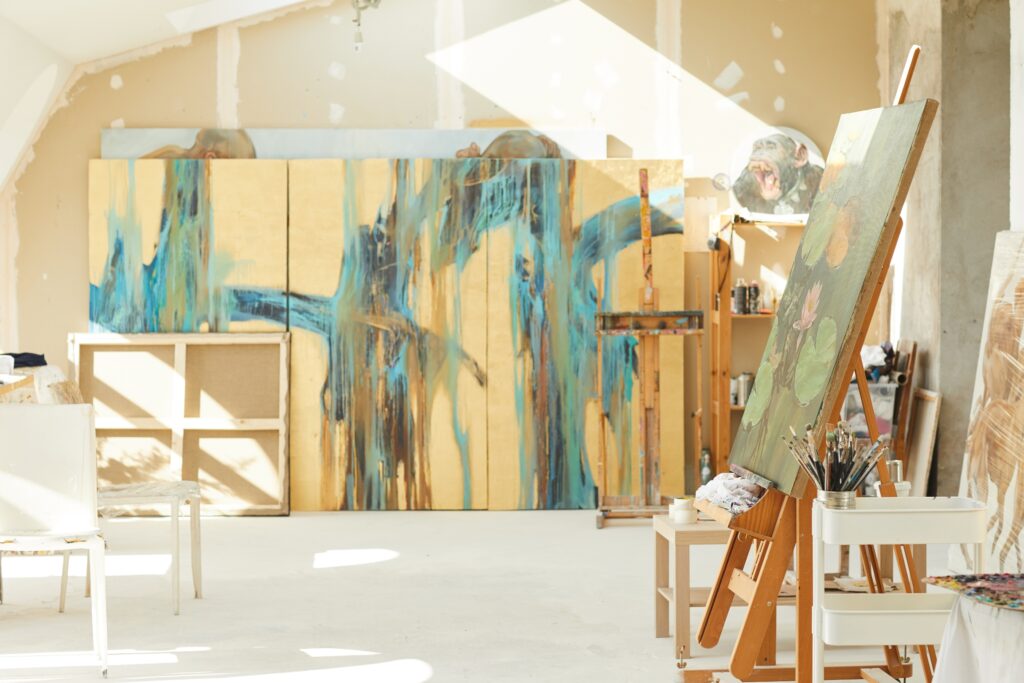
Growing Careers Create New Storage Challenges
As artists begin selling work, participating in exhibitions, or taking commissions, storage needs often become more complex.
Inventory must be tracked. Packaging materials need a place to live. Older work may need to be archived. Seasonal displays, event equipment, and marketing materials can all require additional room.
At this stage, many artists begin looking beyond traditional closets, shelves, and spare rooms. Some explore solutions such as https://wheekeep.com/ when evaluating ways to keep artwork, materials, and business-related items organized without sacrificing valuable studio space.
The goal is not simply to store more. It is to create room for future work.
Not Everything Needs to Stay in the Studio
A common mistake is assuming every item must remain inside the primary workspace.
In reality, separating active projects from archived materials can dramatically improve efficiency. Items used daily should remain accessible, while older inventory, completed collections, and infrequently used equipment may be better stored elsewhere.
This approach helps maintain a workspace focused on current creative priorities rather than acting as a warehouse for everything an artist has ever produced.
Many successful artists regularly review what truly needs immediate access and what can be stored more strategically.
The Best Storage System Supports More Creativity
Storage is rarely the most exciting topic for artists. Few people begin a creative journey dreaming about shelving units and organizational systems.
Yet effective storage can have a surprisingly positive impact on creative work. It protects finished pieces, preserves valuable supplies, reduces stress, and creates an environment where new ideas can develop more easily.
Every artist eventually encounters the storage problem in one form or another. The difference is not whether it happens but how it is managed.
The artists who solve it successfully often discover that good organization does not limit creativity. It creates more space for it.