

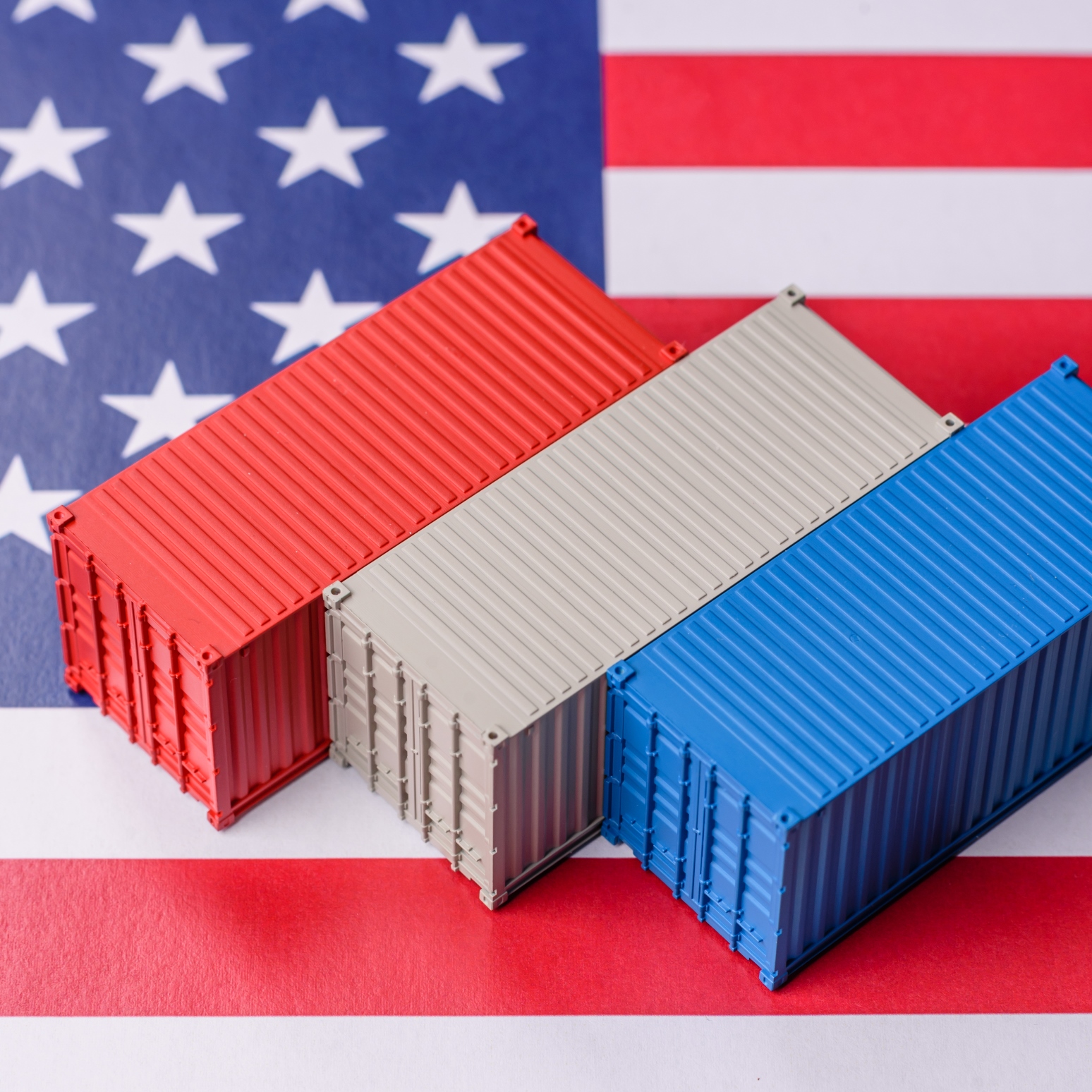
The recent decision of the Trump administration to impose additional tariffs on goods from more than 60 trading partners has raised concerns across the art market about the potential impact on the cost of importing artwork to the USA. However, clarifications provided by the U.S. Trade Representative (USTR) and Customs authorities indicate that certain categories of art may qualify for tariff exclusions, providing relief for international art industry participants.
USTR’s New Tariffs
Starting from July 24, 2026, certain goods arriving in the USA from over 60 trading partners became subject to additional tariffs ranging from 10% to 12.5%. The new measures are being implemented under Section 301 of the Trade Act of 1974.
Countries that have committed to implementing and enforcing forced-labor import restrictions are generally subject to a 10% tariff, while other covered trading partners may face a 12.5% tariff. These additional duties apply on top of any existing customs obligations unless a specific exclusion or exemption applies.
Exemptions for Importing Artwork to the USA
According to USTR guidance, certain products may qualify for exclusions from the additional Section 301 tariffs. For the art industry, this is particularly relevant because many works are classified under HTSUS Chapter 97, which covers paintings, sculptures, antiques, and other cultural items.
Depending on the artwork’s specific HTS classification and the applicable Chapter 99 provisions, certain artworks may qualify for tariff exclusions. Importers should carefully review the relevant requirements with their customs broker before filing an entry.
Among the Chapter 99 provisions that may be relevant are:
- 05.86 – a provision that applies to specific products covered under U.S. Note 52(b) and listed requirements.
- 05.92 – a provision related to qualifying informational materials, including certain artworks and cultural materials.
Following the applicable classification rules, the following types of art may potentially qualify for an exemption if the correct HTS code and requirements are met:
- 9701 – paintings, drawings, collages, and hand-drawn pastels.
- 9702 – original engravings, prints, and lithographs.
- 9703 – original sculptures and statuary.
- 9704 – stamps, postal items, and first-day covers.
- 9705 – numismatic, zoological, botanical, mineralogical, ethnographic, and archaeological collections.
- 9706 – antiques aged over 100 years.
However, it is essential to verify each imported item’s classification and eligibility rather than assuming that all Chapter 97 goods automatically receive tariff relief. For example, certain requirements apply to handmade artworks, antiques, and other cultural items, making accurate HTS classification a critical step in the import process.
Importers should also pay special attention to country-specific tariff rules. For example, Canadian-origin goods may be subject to separate tariff measures and should be reviewed individually before shipment.
Proper documentation, accurate classification, and coordination with an experienced customs broker remain essential when importing artwork to the USA under the latest tariff regulations.