

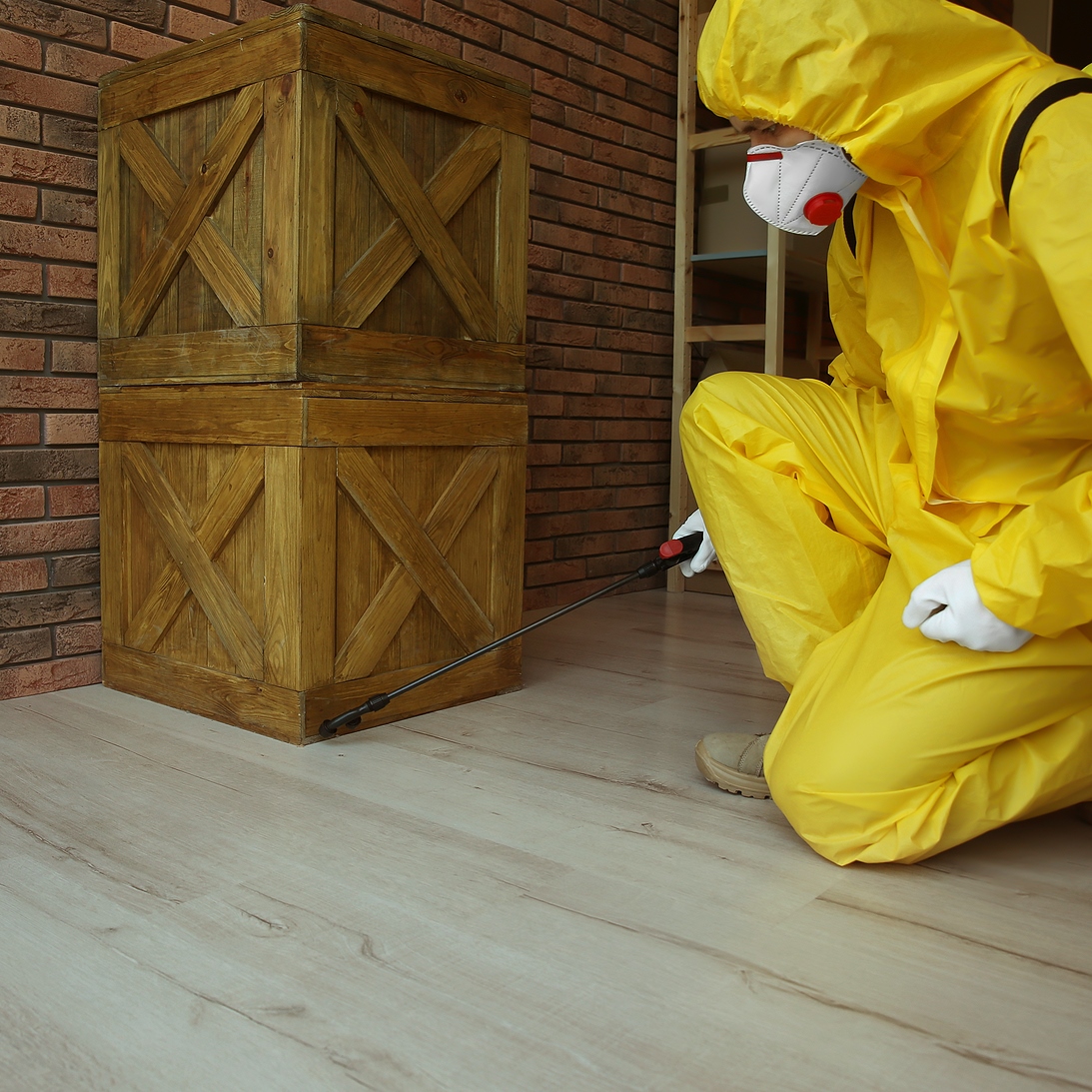
A crate comes off the truck after a cross-country shuttle run. When the handlers ease the lid off, they find a small pile of fine sawdust in one corner and a silverfish slipping under the glassine. Nothing is ruined yet. But the sawdust means something has been chewing the wood, and the silverfish means a paper eater got into a sealed box.
Pests rarely get the attention that moisture and rough handling do. Meanwhile, carpet beetle larvae graze on wool fibers, silverfish feed on paper sizing, and mice will shred canvas to line a nest inside a crate left on a dock over a weekend. The damage is slow, and it usually stays hidden until someone opens the crate.
No single product prevents it. What works is a series of checks, and the steps below follow a piece from the wall it hangs on to the storage bay or installation site.
The threats shift with geography and season. A crate staged outdoors near Richmond in September draws different visitors than one on a winter move in Minneapolis. Anyone moving work through the Mid-Atlantic should read up on the European hornet in Virginia, a large wasp that flies at night, is drawn to lit loading areas, and nests in hollow trees and wall voids near buildings.
Inspect and isolate before anything is packed
Start at the source. Take each object off the wall and examine the back: stretcher bars, dust cover, frame corners. Look for fresh frass (tiny pellets or powder), cast larval skins, pinhole exits in wood, and webbing along rabbet edges. Hold a flashlight low across the dust paper. It shows tunnels that overhead lighting hides.
If a piece shows activity, keep it away from the rest of the collection until a conservator decides on treatment. Freezing and low-oxygen treatment are the usual options, though neither is safe for every medium. Photograph what you find with the inventory number in frame so the evidence travels with the condition report.
One infested frame packed beside clean ones can seed an entire crate.
Build crates that give insects no way in
Many pests hitch a ride in solid wood. For international shipments, solid wood packaging must meet ISPM 15, which requires heat treatment or fumigation and an official stamp on the timber. Plywood and other engineered panels are exempt because manufacturing already kills what the rule targets. Ask your shipper which material they use and where the stamp is.
Seal the work properly inside the crate. Gasket the lid edges and seat every screw fully. Leave out shredded paper and loose cardboard filler; to beetles and rodents, they are both food and bedding.
Ask hard questions of storage facilities and trucks
A good facility answers pest questions without hesitating. Listen for integrated pest management, or IPM: documented monitoring, a sealed building envelope, and targeted treatment instead of routine spraying near collections. When you tour a warehouse or review a provider's art storage, ask these questions:
- How often are sticky monitoring traps checked?
- Is incoming work inspected or quarantined before it enters the main vault?
- Are food, plants, and cardboard boxes banned from collection areas?
- Do dock doors have sweeps, and do they stay shut between deliveries?
- Are climate-controlled trucks cleaned between loads?
Humidity matters as much as traps. Most collection pests and mold thrive in damp air, and holding relative humidity around 45 to 55 percent makes storage far less welcoming. Air-ride, climate-controlled vehicles keep those conditions steady on the road. That counts on a multi-day run, when crates spend their nights inside a trailer.
Watch the loading dock in hornet season
The exposure most people miss comes when a crate sits outside a building or a sculpture goes into a garden. In the eastern US, the European hornet regularly turns up at exactly those spots in late summer. According to Virginia Cooperative Extension, these hornets are drawn to bright light at night and sometimes hit screens and windows over and over, loudly enough to hear.
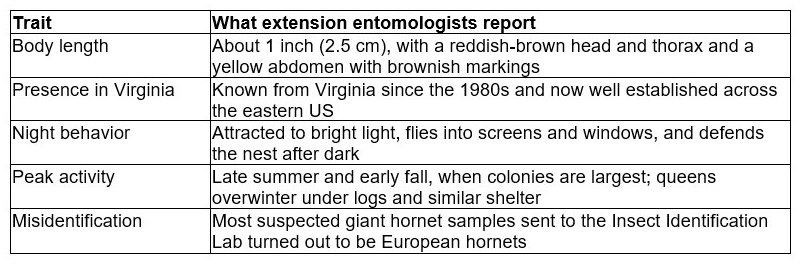
For handlers, the pull of light is the real problem. An evening delivery under floodlights with the doors open can draw hornets into the staging area just as the crew is maneuvering a large crate. In late summer, load in daylight when you can, swap dock lights for yellow bulbs that attract fewer insects, and close the doors between lifts.
Outdoor installations need their own site check. Hornets strip bark from shrubs such as lilac for nest material, and they nest in hollow trunks. Before placing a sculpture near mature trees or an old outbuilding, walk the site at dusk and listen. If you find a nest within a few yards, call a licensed pest professional before the crew arrives.
Put that dusk walk on the installation schedule, right next to the booking for the lift.