

Art buying used to mean gallery walls, opening receptions, and a handshake with a dealer. Now, it just as often means a browser tab. Independent artists, print studios, and small galleries run online storefronts selling limited editions, framed prints, and merchandise alongside the original works that built their reputation, and that second business runs on very different rules than the first.
Why eCommerce Fulfillment Is Becoming Part of the Art Business
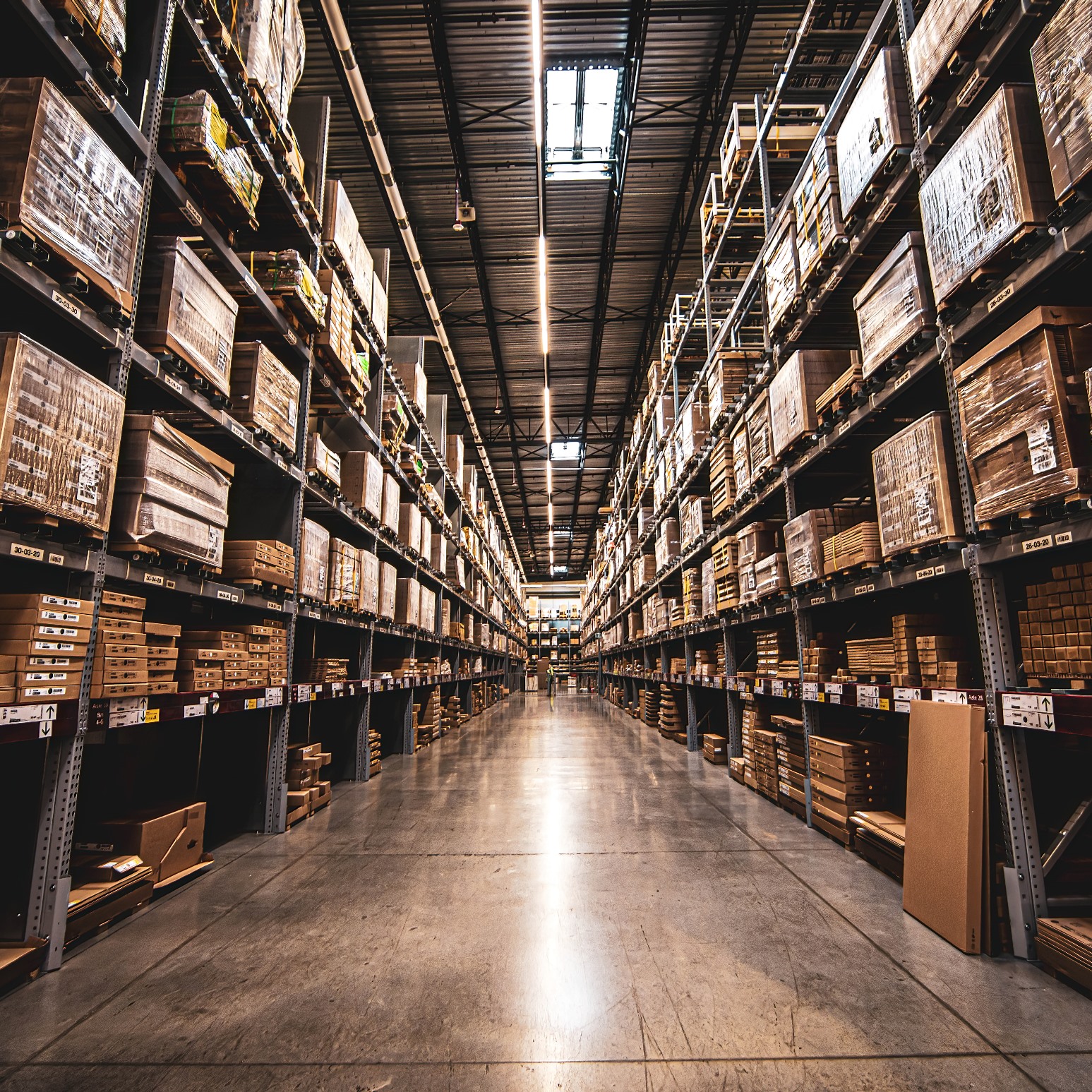
The North American ecommerce fulfillment market hit $33.9 billion in 2025, up 14.2% year over year, and is projected to reach $38.7 billion in 2026, per Capital One Shopping’s research division. That growth isn’t limited to apparel and electronics. Print shops, art publishers, and small galleries selling décor online are feeling the same pressure to ship fast and ship reliably, and most of them aren’t set up for it. A back room with a paper cutter and a stack of mailers works fine at ten orders a week. It falls apart at two hundred.
That’s why a growing number of sellers outsource the job entirely. Redstag Fulfillment reports that 60% of online retailers now outsource at least part of their fulfillment, and 12% hand off the whole process, a share expected to grow by 50% over the next three to five years. For an artist or gallery based on the East Coast selling into West Coast and Pacific markets, working with West Coast ecommerce fulfillment services cuts transit times and avoids the congestion that piles up at coastal ports, without the overhead of leasing warehouse space directly.

What to Look for in a Fulfillment Partner
Not every 3PL is built for a catalog full of limited-run prints and fragile merchandise. Sellers vetting a partner should look for real-time inventory visibility, integrations with the platforms they already sell on (Shopify, Amazon, Etsy), returns handling that accounts for damaged or custom items, and quick onboarding as the catalog grows. 82% of ecommerce leaders cite access to modern fulfillment technology as a top reason for outsourcing in the first place, a figure consistent with the broader growth Capital One Shopping tracked across the fulfillment market, and it’s easy to see why once you’ve tried to track a shipment through a spreadsheet.
This isn’t so different from the visibility problem galleries already know from shipping originals. Our piece on the visibility gaps once cargo leaves the warehouse covers why an internal ERP alone rarely tells the full story once a package is in transit. The same logic applies whether the cargo is a single insured painting or a pallet of framed prints headed to a hundred different buyers.
Where This Fits Alongside Traditional Art Shipping
Ecommerce fulfillment and fine art freight solve different problems, and galleries diversifying into online sales need both. Fulfillment handles fast, repeatable orders: prints, merchandise, small editions. Fine art freight still means climate-controlled trucks, white-glove handling, and the kind of care that a single six-figure canvas demands. The fine art logistics market itself is projected to grow from $3.22 billion in 2025 to $4.26 billion by 2031, a 4.94% CAGR, according to Mordor Intelligence, so neither side of the business is going away.
Galleries that already understand adapting supply chains for high-value goods are usually the fastest to apply that same discipline to their ecommerce side. And sellers who occasionally need to move an oversized canvas or crate, not just a flat-packed print, should also know the basics of getting large or bulky pieces safely across the country, since that need doesn’t disappear just because most of the catalog now ships in standard boxes.
The Bottom Line
As more artists and galleries build real ecommerce revenue, the fulfillment partner they choose matters as much as the freight carrier they trust with an original. It’s not a smaller decision. It’s just a different one.