

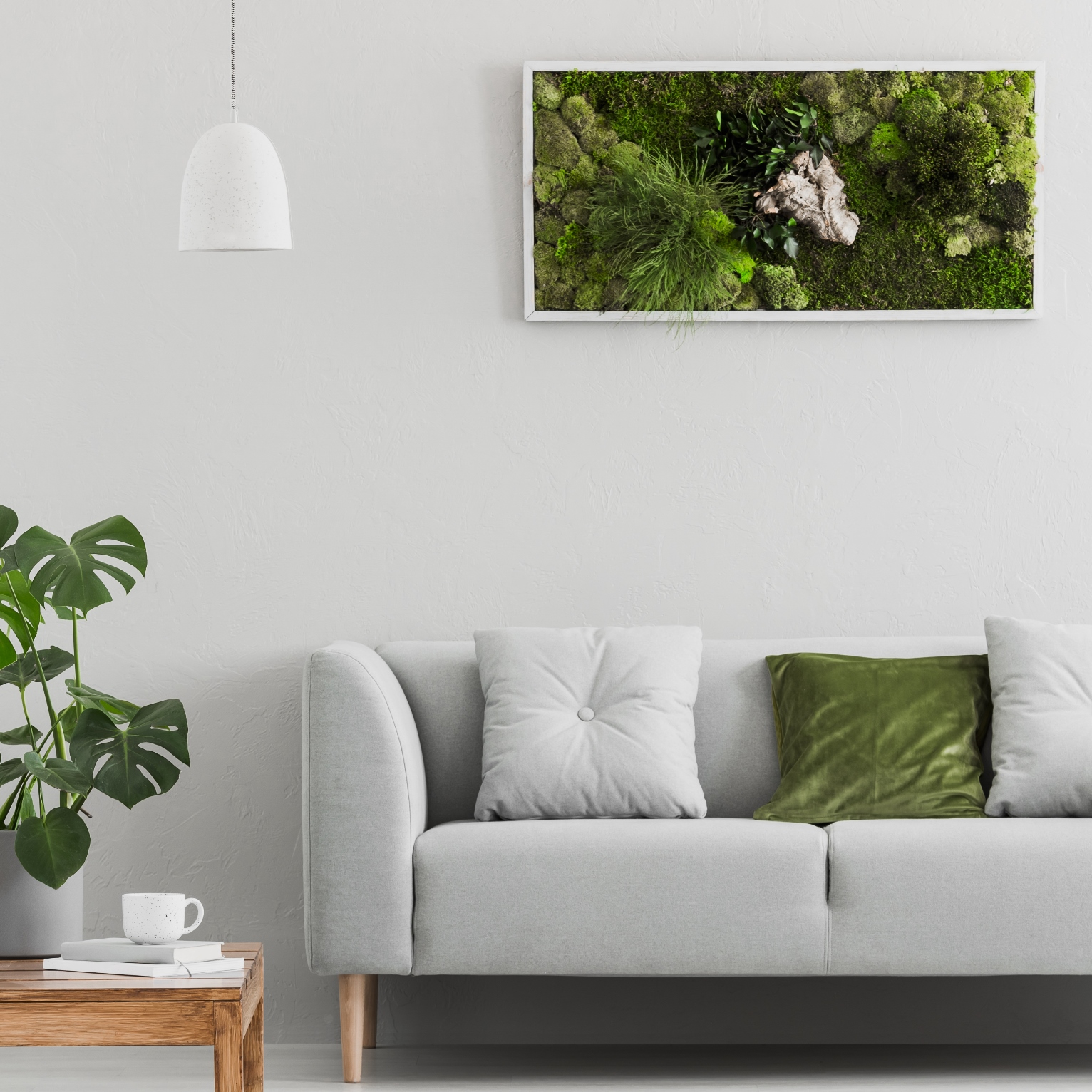
A framed photograph brings a favorite image into everyday view. Before ordering, it helps decide how the picture will be cropped, how much wall space the finished frame will occupy, and where it will hang. These choices affect both the appearance of the print and the practicalities of displaying it. Work through them before committing to a size or finish.
Start with the best version of your photograph
Use the original camera or phone file whenever possible. A screenshot or a copy saved from social media may contain fewer pixels or more compression than the original. Inspect important details, particularly faces, to check that the photograph is in focus.
Print size also matters. Enlarging a photograph spreads its pixels across a greater area, making softness easier to notice at close range. If you are unsure whether a file will suit the size you want, ask the printer to assess it. Keep an untouched copy before making edits.
Choose the crop before the frame size
A photograph and its intended print do not always have the same proportions. Turning a wide landscape into a square, for example, can remove details from both sides. Check the edges for people, buildings, or other elements you want to retain.
Try the proposed crop before ordering. Give the subject enough space and consider how the composition changes when part of the sky or foreground disappears. If the crop feels cramped, a different print shape may suit the image better.
For readers in Australia, Framely’s photo printing and framing service lets you upload your photograph and select a size, frame color, and optional mat border. Check the crop in the preview before placing your order.
Measure the whole framed piece
The printed image, mat opening, and outer frame are different measurements. Confirm what the advertised size refers to, particularly when adding a border. The finished piece may occupy more wall space than the photograph itself.
Measure the available area, including nearby furniture, switches, and other artwork. Make a paper template showing the outer frame dimensions, then view it from the doorway and your usual seating position. For several photographs, lay out templates for the entire group and check the gaps between them before buying.
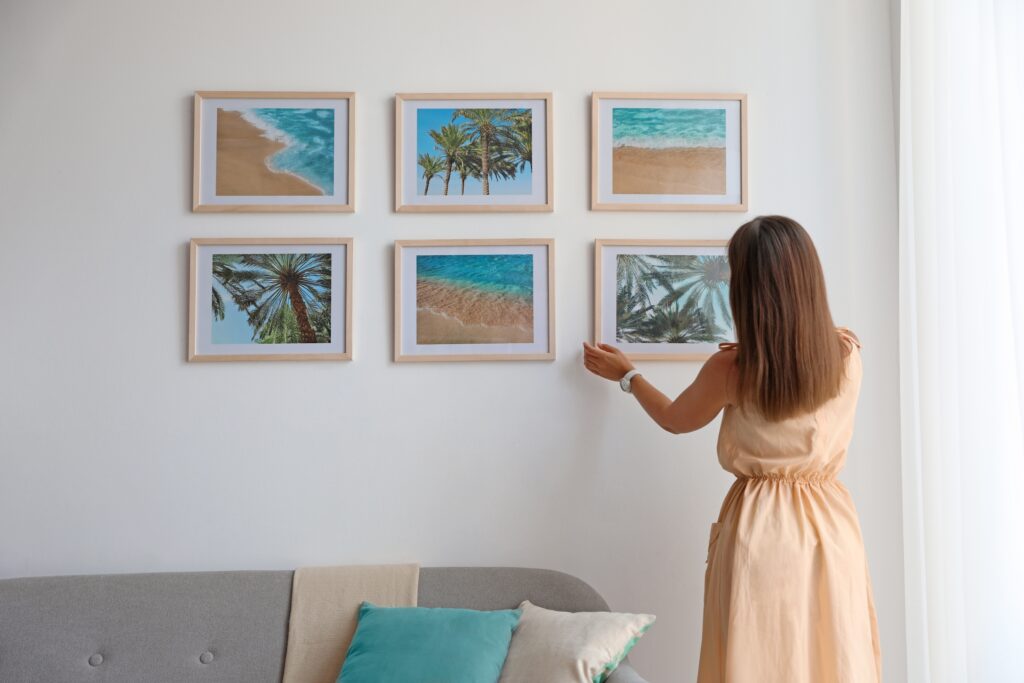
Use the mat and frame to support the image
A mat creates visual space between the photograph and the frame. A generous border can give a small image more presence; a narrower border can suit a compact display. Compare both options against the same photograph so that the choice is easier to judge.
Choose a frame finish in relation to the picture, as well as the room. Black can echo darker tones in a monochrome photograph, while natural timber can sit comfortably alongside warmer landscape colors. For a group of images, repeating the frame finish or mat color can help connect otherwise different subjects.
If long-term preservation is important, ask the framer about the materials in contact with the print and the glazing options available.
Plan for display and delivery
Choose a position away from direct sunlight, persistent damp, and heat sources. Check reflections from windows and lamps before deciding on the final hanging position. Even an attractive frame can be difficult to enjoy if glare hides the photograph from the seat where you usually view it.
On delivery, unpack the piece on a clean, dry surface and check its condition before hanging. Use fixings suited to both the frame’s weight and the wall construction. If the piece will be moved again, keep suitable protective packaging and protect the frame corners during handling.
Save the original image and the order details together. They will make it easier to order a matching companion print when another photograph earns a place on the wall.