

For many collectors, the first encounter with a Latin American artist happens at a fair, in a viewing room, or on a gallery’s website. The purchase feels like the finish line. In practice, it is the start of a second process, in which paperwork, packing, customs, and insurance decide whether the work arrives safely and with its value intact.
Start With the Paperwork
Before a work is crated, the gallery should be able to provide a clear invoice that names the artist, title, year, medium, dimensions, and edition where relevant, along with a certificate of authenticity and any provenance available. A condition report with photographs taken before packing is equally important. An insurer, a customs officer, and a future buyer will all eventually rely on it.
Ask also how export paperwork is handled. Requirements vary by country and by the type and age of the work, so the seller or shipper should confirm what applies before the piece leaves.
Customs and Taxes at Your Destination
The good news is that original art is treated favorably in most major markets. In the United States, original paintings, prints, and sculptures generally enter duty-free under Chapter 97 of the Harmonized Tariff Schedule. Commercial shipments above $2,500 require formal entry through a customs broker, and the invoice must name the artist and state whether the work is an original or a reproduction. Trade policy has been volatile in recent years, so current treatment should always be confirmed before shipping.
In the United Kingdom, qualifying works carry an effective import VAT of 5 percent, provided the paperwork uses the right commodity code and describes the piece as an original work of art. Several European countries, including France, Germany, and Italy, also apply reduced import VAT rates to art, though the figures change. Whatever the destination, agree in writing who pays duties and taxes.
Packing That Survives the Journey
A crate should be built for the specific work. For international shipments, any solid wood in a crate, including blocking inside it, must be heat-treated or fumigated and carry the ISPM 15 stamp. Unmarked wood can hold up a shipment at the border. It is reasonable to ask who will pack the work, what materials they use, and whether the frame will travel with the piece or be handled separately.
Insurance That Actually Pays
Standard carrier liability is not art insurance, and confusing the two is one of the costliest mistakes a collector can make. Look for nail-to-nail coverage, which protects the work from the moment it leaves the wall to the moment it is installed. Coverage should be based on a declared value supported by a valuation that records the artist, title, date, technique, dimensions, condition, and provenance. A professional appraisal removes doubt about value if a claim is ever made.
Questions to Ask Before You Buy
Before committing, ask the gallery who packs the work and how, whether the crate meets ISPM 15, who arranges the customs broker, how the shipment will be insured and for what value, and how long the process usually takes. A gallery that answers these clearly, and in writing, has probably done it before.
Arteconsult: A Case Study in Ship-Ready Service
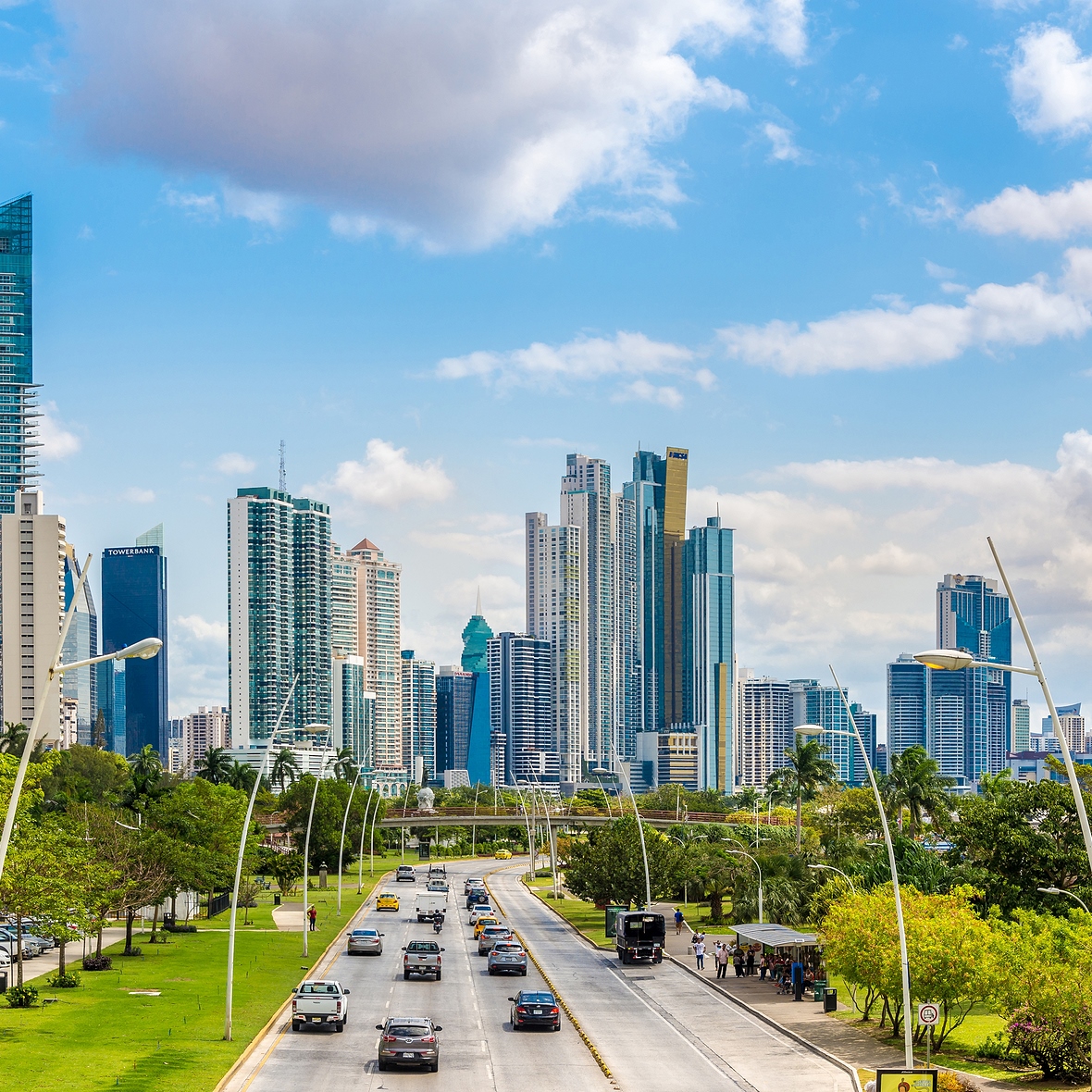
Galería Arteconsult, a contemporary Latin American art gallery in Panama City, illustrates the value of having these services in one place. Founded in 1979 by art historian Carmen Alemán Healy, the gallery shows painting, sculpture, photography, works on paper, textile, video, and installation art. Beyond exhibiting, it offers art appraisals, museum-quality framing, restoration, and packing and shipping management, and it works with collectors abroad.
When a gallery values, frames, and packs a work under one roof, the collector receives a coherent file: a valuation for the insurer, a properly framed piece, and packing built to the shipper’s standards. The buyer’s local art shipper can then take over at the destination, with fewer surprises. The gallery is based in the El Cangrejo neighborhood of Panama City and is open six days a week.