

If you’re considering consolidated art shipping services but are still unsure about how a fine art shuttle actually works, this guide will help. We explain how this type of service operates and walk you through the main stages of professional art handling involved in a consolidated delivery.
What Are Consolidated Art Deliveries?
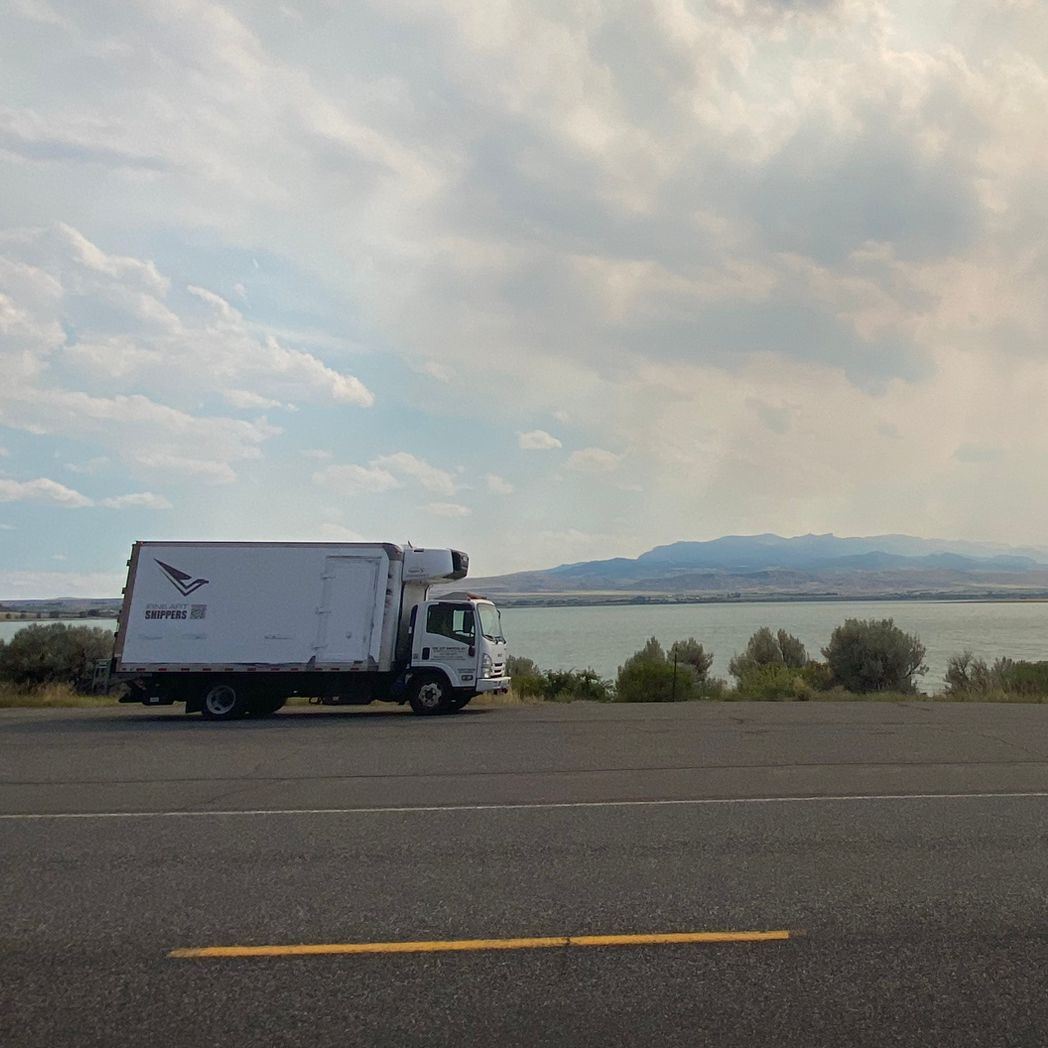
Starting with the basics, a fine art shuttle is a scheduled truck that runs a route between cities, collecting and delivering artwork for multiple clients during a single trip. This service is generally more affordable than dedicated art transportation because the costs of the vehicle, fuel, and crew are shared among several shipments. Instead of paying for an entire truck, clients pay for the space their artwork occupies and the transportation services required.
Consolidated transportation is particularly convenient for smaller shipments that do not require a dedicated vehicle. However, pickup and delivery dates are usually provided as estimated windows rather than guaranteed appointments, as the route may change due to additional stops or unforeseen delays.
How a Fine Art Shuttle Actually Works
So, what happens between the client's initial inquiry and the moment the artwork reaches its destination?
Arrival at the Client’s Location
Our work starts before the truck pulls up. Coordinators confirm the artwork's dimensions, access routes, parking availability, and elevator sizes to plan a safe pickup. On the scheduled date, a team of trained art handlers arrives with the necessary tools and packing materials. They assess the access path, coordinate the handling process with the client, and carefully remove the artwork from its wall or pedestal.
Artwork Inspection
Next comes a condition inspection. Before packing, each art object is examined for existing scratches, cracks, chips, and other signs of damage or deterioration. Its condition is documented through photographs, providing a visual reference for comparison upon delivery.
Packing and Loading
Packing methods depend on the artwork's size, medium, condition, and transportation requirements. Framed paintings may be protected with glassine or other suitable protective materials, foam corners, and additional cushioning. Sculptures and other three-dimensional objects may require custom foam supports to prevent movement during transit. Some shipments are transported in soft-packed cases, while particularly valuable, fragile, or long-distance shipments may require custom-built crates.
Once properly packed, the artwork is carefully loaded and secured inside the truck to minimize movement throughout the journey.
Delivery, Unpacking, and Installation
At the destination, trained art handlers carefully unload the shipment and bring each object to the designated location. Depending on the services requested, the client can also arrange additional white glove services, including unpacking, packing material removal, and professional installation.
Understanding how a fine art shuttle actually works helps remove guesswork from the process and makes it easier to plan an art shipment. With professional handling at every stage, consolidated transportation offers a practical way to move artwork safely and efficiently between cities.