

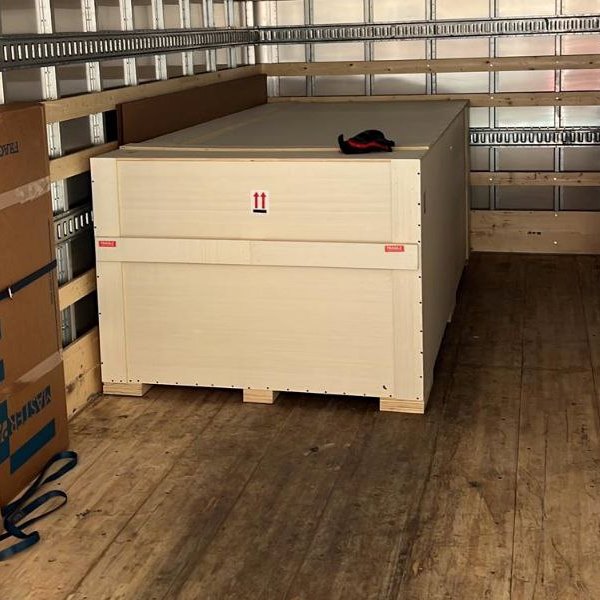
The safety of artwork transportation for exhibitions, especially over long distances, depends not only on the vehicle or aircraft carrying the shipment but also on the crate built to protect it. A custom crate serves as a protective environment for an artwork throughout its journey, whether it takes a few days or several weeks. It helps absorb shock, buffer temperature fluctuations, and limit exposure to dust and moisture. No two crates are necessarily identical because artworks differ in size, weight, materials, and fragility.
Custom Crates: Built for Individual Artworks
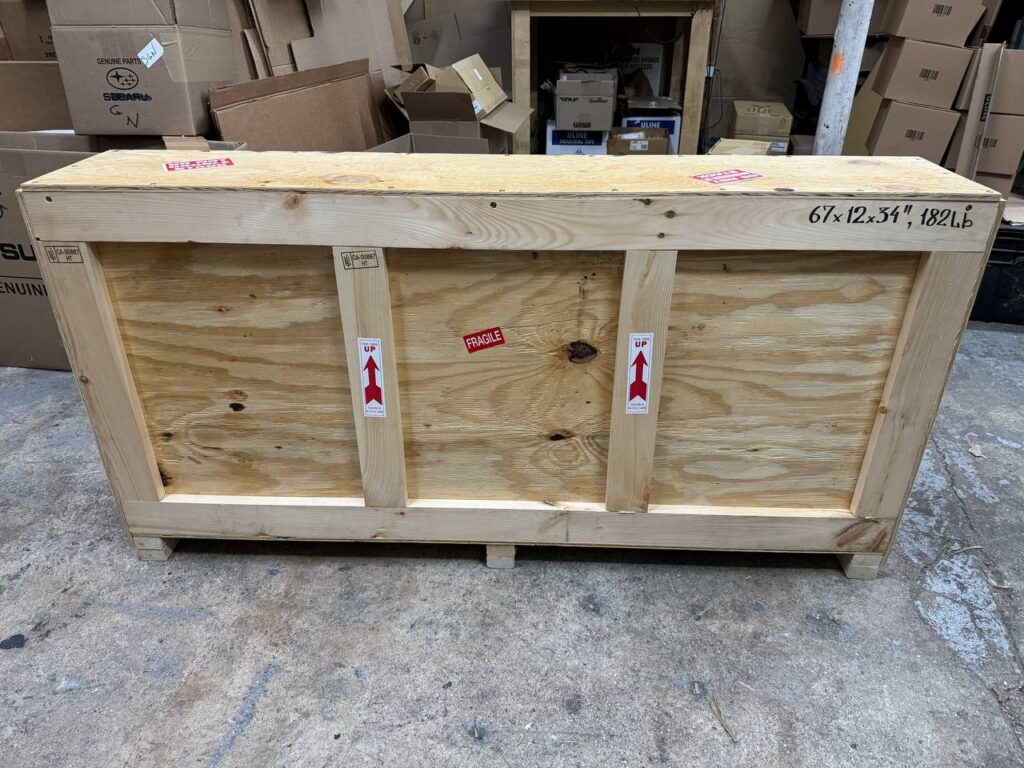
Crate design begins with accurate measurements and an assessment of the artwork’s condition and specific protection requirements. Art handlers and conservators identify vulnerable areas and determine how the object should be supported and secured. Crates are commonly made from plywood or solid timber. When solid wood packaging is used for international shipments, it may need to comply with ISPM 15 phytosanitary requirements, depending on the destination and applicable exemptions. The interior is fitted with suitable cushioning and protective materials selected to avoid direct contact with delicate surfaces and minimize chemical or physical risks.
Cushioning Against Shock and Vibration
Cushioning materials are selected according to the artwork’s weight, dimensions, fragility, and expected transport conditions. Foam density, thickness, and compression properties all influence how effectively the material absorbs impact. Foam that is too stiff may transfer excessive shock to the object, while material that is too soft may compress too much to provide adequate support.
Vibration is another potential hazard during artwork transportation for exhibitions, especially over long distances. Prolonged road travel and repeated handling can place stress on fragile components, including flaking paint, delicate frames, and weakened joints. Properly designed cushioning and internal supports help reduce movement and dampen vibration. Insulated panels and moisture barriers can also help moderate environmental fluctuations, although their effectiveness depends on the crate’s construction and the conditions during transit.
Monitoring Artwork Transportation for Exhibitions
Some shipping crates are fitted with monitoring devices to provide additional information during transit. Tilt and shock indicators show when a crate has exceeded a predetermined movement or impact threshold. Electronic data loggers can record temperature, relative humidity, and shock or vibration levels over time. GPS trackers, when used, provide location information rather than condition data. These tools help identify potentially problematic events, but an activated indicator does not automatically mean that the artwork has been damaged.
Crates: An Invisible Part of Every Exhibition
Although exhibition visitors see only the carefully arranged artworks, custom crates play an important role behind the scenes. They may be stored until the exhibition closes and reused for the return journey, provided they remain in suitable condition. A well-designed crate can require considerable planning and investment, but for valuable, fragile, or irreplaceable works, appropriate protection is an essential part of exhibition logistics.