

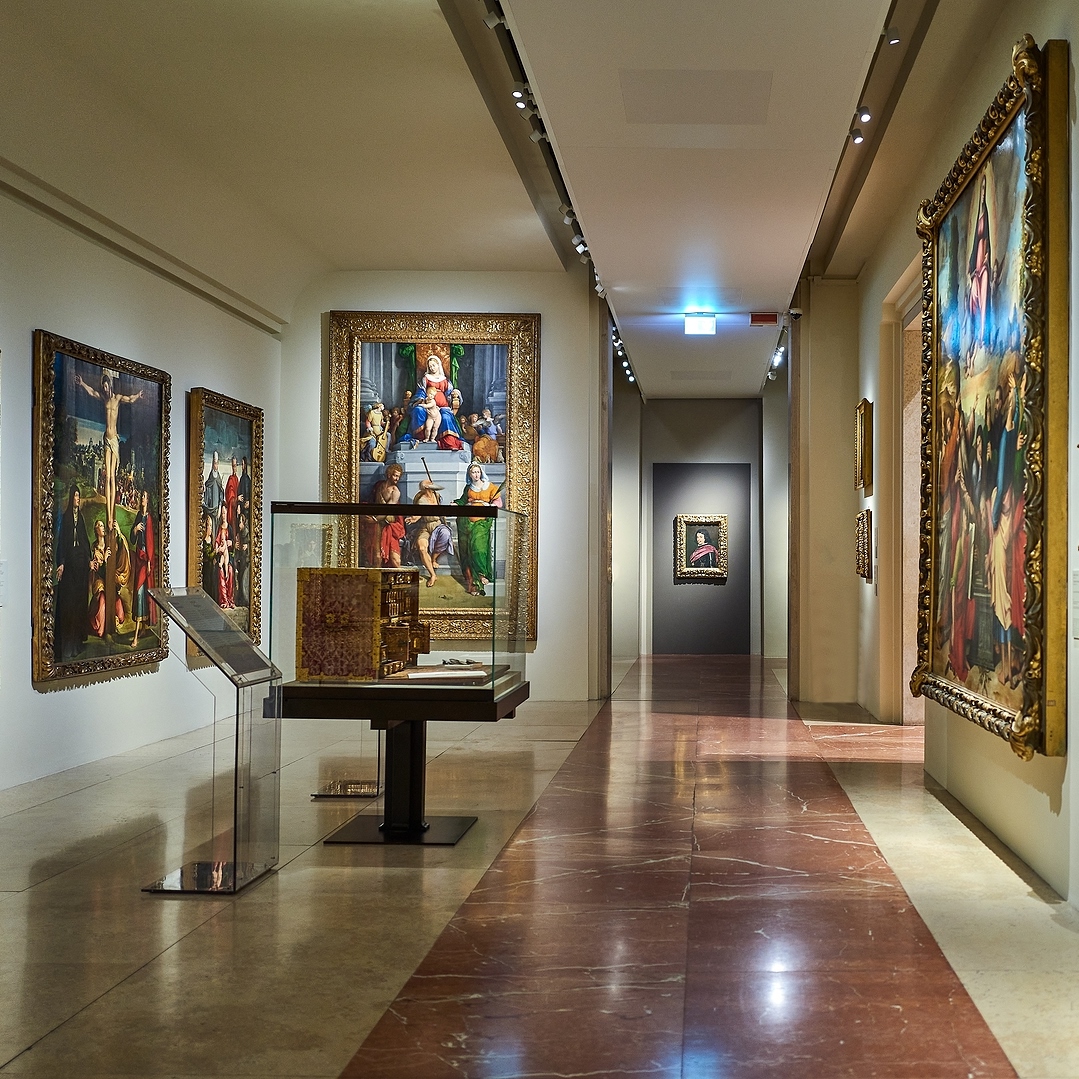
Every great work of art tells more than one story. The image on the canvas or the sculpture on display is only part of what makes a masterpiece memorable. Behind every brushstroke, carved detail, or carefully balanced composition lies the artist's personal journey, the historical moment in which the work was created, and the emotions that inspired it. These hidden stories often give artworks an even greater impact, allowing viewers to connect with them long after they first encounter them.
Art has always reflected the world around it. Political change, personal loss, cultural traditions, scientific discoveries, and everyday life have all shaped the creative decisions artists make. Understanding these influences helps viewers appreciate not only the finished work but also the process that brought it into existence.
Artists Often Paint More Than What We See
Many famous paintings contain layers of meaning that are not immediately obvious. Colors may symbolize emotions, objects can represent deeper ideas, and even the placement of figures within a composition may communicate relationships or conflicts.
Artists frequently draw inspiration from their own experiences, using visual storytelling to express feelings that words cannot fully capture. Some works celebrate joy and hope, while others explore grief, uncertainty, or social change. Viewers may notice different details each time they revisit the same artwork because every element has been carefully considered.
Historical Context Brings Art to Life
Understanding the time in which an artwork was created often transforms the viewing experience. Paintings created during periods of war, economic hardship, or cultural change frequently reveal concerns that were deeply important to people living at that moment.
Historical context also explains artistic techniques, fashion, architecture, and everyday objects that might otherwise seem unfamiliar to modern audiences. Museums and galleries often provide background information because knowing the circumstances surrounding a work helps visitors recognize details they might have overlooked.
Rather than existing in isolation, every masterpiece becomes part of a much larger story about the people, ideas, and events that influenced its creation.
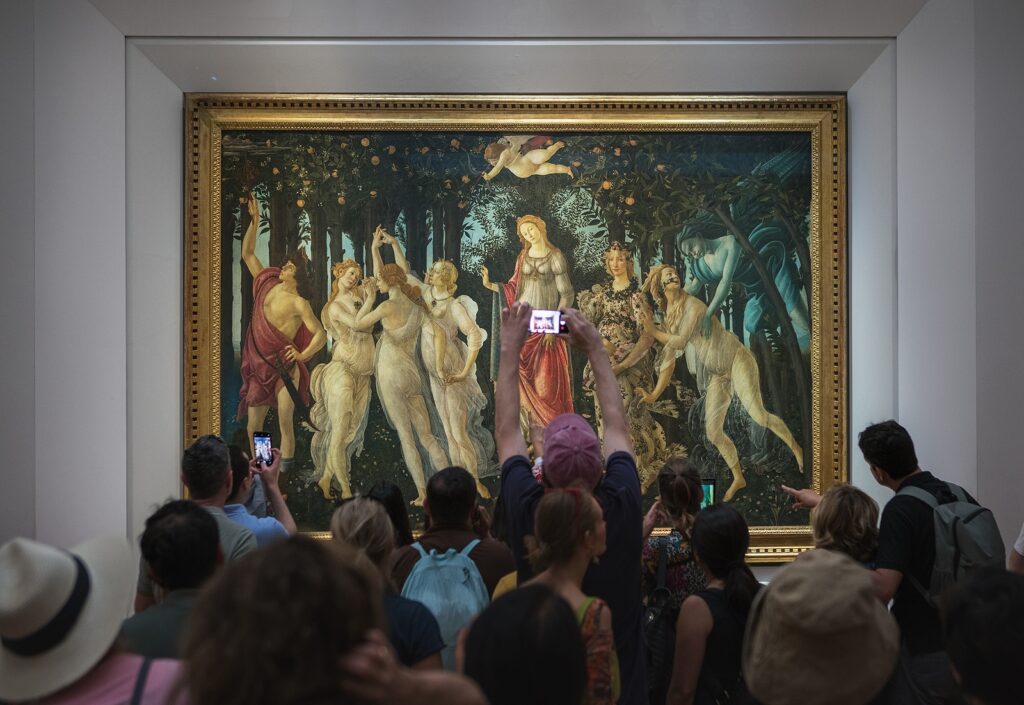
Technology Helps Preserve Artistic Heritage
Although traditional artistic techniques remain timeless, modern technology now plays an important role in protecting and preserving cultural heritage. Museums use digital imaging, climate monitoring, and advanced restoration techniques to safeguard priceless collections for future generations. Sustainable technology is also becoming increasingly important as galleries, museums, and cultural institutions look for ways to reduce energy consumption while maintaining carefully controlled environments.
Companies such as The Solar Store provide renewable energy solutions, off-grid solar systems, batteries, and related equipment, which help organizations improve energy efficiency while supporting long-term sustainability goals. As more institutions adopt environmentally responsible practices, reliable energy solutions contribute to preserving valuable collections without compromising the conditions required for their protection.
Combining traditional conservation methods with modern technology helps ensure that future generations can continue experiencing the world's artistic treasures.
Every Viewer Discovers a Different Meaning
One of art's greatest strengths is that it invites personal interpretation. Two people can stand in front of the same painting and notice entirely different details, emotions, or messages based on their own experiences.
This subjectivity keeps great works relevant across generations. New audiences continue finding fresh perspectives because the artwork encourages reflection rather than offering a single definitive answer. The conversation between artist and viewer evolves over time, allowing each generation to connect with familiar masterpieces in unique ways.
Rather than providing fixed meanings, many artists intentionally leave room for imagination, making every viewing experience slightly different.
Great Art Continues Telling Its Story
The most memorable works of art endure because they continue inspiring curiosity long after they were created. Their stories extend beyond the artist's studio, becoming part of cultural history while encouraging viewers to explore the emotions, ideas, and experiences hidden beneath the surface.
Whether displayed in world-famous museums or local galleries, great artworks remind us that creativity has the power to preserve history, challenge assumptions, and connect people across cultures and generations. Every masterpiece carries traces of the artist who created it, the era that shaped it, and the countless individuals who have interpreted it over the years.
Ultimately, the greatest works of art are never defined solely by what appears on the canvas. Their lasting impact comes from the stories they continue telling, stories that remain open to discovery every time someone stops to look a little more closely.