

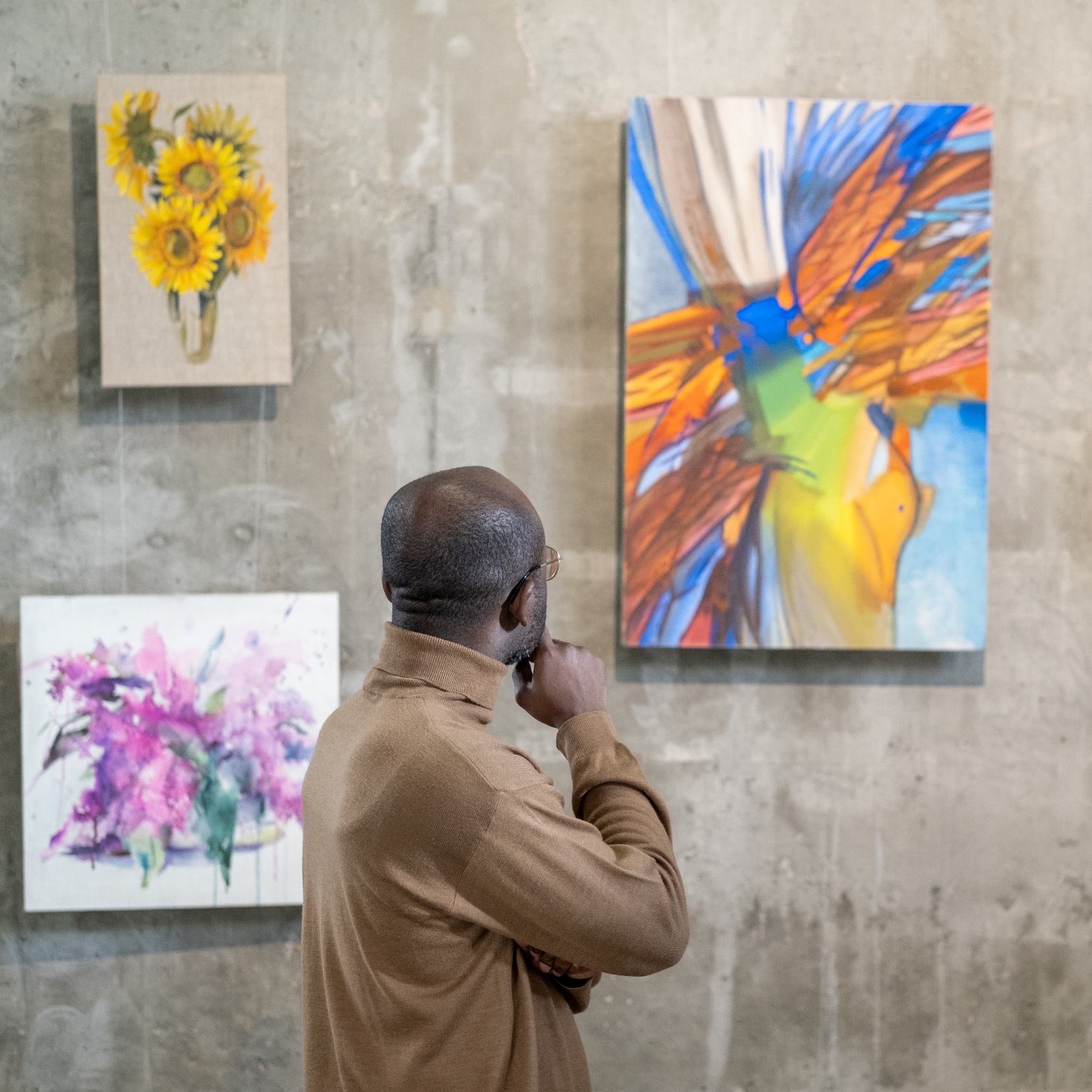
The image of an art collector is often shaped by passion, aesthetics, and personal taste. Paintings are admired for their beauty, sculptures for their craftsmanship, and rare works for the stories they tell. While emotion certainly plays a role, experienced collectors rarely make decisions based on instinct alone.
Building a meaningful art collection requires patience, research, discipline, and a willingness to think years into the future. These are the same qualities that successful investors develop over time. Rather than chasing short-lived trends, both focus on identifying lasting value, managing risk, and making informed decisions that support long-term goals.
Although the assets themselves are very different, the mindset behind collecting exceptional art often resembles the mindset behind successful investing.
Long-Term Thinking Usually Produces Better Results
New collectors sometimes assume the most expensive artwork will automatically become the most valuable. Experienced collectors know the reality is more nuanced. They spend time learning about artists, studying historical performance, understanding market demand, and considering how cultural trends may influence future appreciation.
A similar approach exists in financial markets, where investors often compare different trading strategies before deciding which aligns with their goals. For example, educational resources from https://www.vectorvest.com/ explain how swing trading and scalping differ in terms of time commitment, decision-making speed, and risk tolerance. Rather than suggesting one approach is universally better, the comparison emphasizes choosing a strategy that fits an individual's objectives and personality.
Great collectors follow a comparable philosophy. Instead of buying every artwork attracting media attention, they build collections that reflect careful planning and a clear understanding of what they hope to achieve over many years.
Research Creates Confidence Before Any Purchase
Collectors rarely purchase important works without conducting extensive research.
They examine an artist's background, exhibition history, previous auction results, provenance, restoration records, and overall market reputation. Even experienced buyers continue asking questions before committing significant amounts of money.
This research process reduces uncertainty while helping collectors recognize genuine opportunities. It also makes them less vulnerable to inflated prices driven by temporary excitement.
Investors apply the same discipline. They compare available information, study historical performance, evaluate potential risks, and avoid making decisions based solely on headlines or market enthusiasm.
Emotional Discipline Matters More Than Excitement
Art markets, like financial markets, experience changing trends. Certain artists become extremely popular for a period before public attention shifts elsewhere. Collectors who react emotionally to every new trend may find themselves buying at inflated prices while overlooking works with stronger long-term potential.
The same principle applies across investing. Fear and excitement frequently influence decisions more than objective analysis.
Experienced collectors understand that not every opportunity requires immediate action. Sometimes, the best decision is waiting until additional information becomes available or until a piece that truly matches the collection appears.
Diversification Is Valuable Beyond Financial Markets
Few experienced collectors build an entire collection around a single artist or artistic movement.
Instead, many diversify by collecting works from different periods, mediums, regions, or emerging and established artists. This creates a collection with greater depth while reducing dependence on the success of any single segment of the art market.
Diversification also encourages continuous learning. Collectors expand their knowledge across multiple styles and historical periods instead of becoming narrowly focused on one category.
Investors have long understood the benefits of spreading risk across different assets. While art collecting and investing serve different purposes, both recognize that thoughtful diversification can create stronger long-term outcomes than concentrating every decision in one place.
Successful Collectors Continue Learning Throughout Their Journey
The most respected collectors rarely describe themselves as having learned everything.
They visit galleries, attend exhibitions, read market reports, speak with curators, and study artists throughout their collecting careers. Every acquisition adds new knowledge that improves future decisions.
This commitment to lifelong learning often becomes the greatest competitive advantage. Experience gradually sharpens judgment, making it easier to recognize quality, identify opportunities, and avoid common mistakes.
Whether someone is building an art collection or managing financial assets, lasting success rarely comes from luck alone. It grows through curiosity, patience, disciplined research, and a willingness to make decisions based on careful evaluation rather than short-term excitement. Those qualities explain why many accomplished art collectors think much more like experienced investors than most people initially expect.